David DUMAS3 Septembre 2025Trustindex vérifie que la source originale de l'avis est Google. Josselin est professionnel avec des photos de très belle qualités. N’hésitez pas ! Yan VONDRA29 Août 2025Trustindex vérifie que la source originale de l'avis est Google. Merci beaucoup Josselin pour ces magnifique photos de Chez Betty ! labulle dejohan28 Août 2025Trustindex vérifie que la source originale de l'avis est Google. Très agréable et professionnel Je recommande sans hésiter Jessy BONOT28 Août 2025Trustindex vérifie que la source originale de l'avis est Google. Photographe, envoyé par une plate-forme de location. Personne très sympathique et sérieuse. Les photos sont très jolies et mette bien en valeur l’appartement Magali rieu3 Août 2025Trustindex vérifie que la source originale de l'avis est Google. Josselin est venu faire les photos de notre domaine, elles sont très réussies, le rendu est conforme. Il est très professionnel et très réactif. Bernard Rozinthe30 Juillet 2025Trustindex vérifie que la source originale de l'avis est Google. Beaux cadrages et couleurs îtenses!
Because terroirs and vineyards are unique, it’s essential to highlight them through authentic photography. The landscape, the vineyard, the location, the winemaker or winemakers are all possible elements of differentiation. A château in Bordeaux, a property in Champagne or an estate in the Côtes-du-Rhône have neither the same wine culture nor the same terroirs.
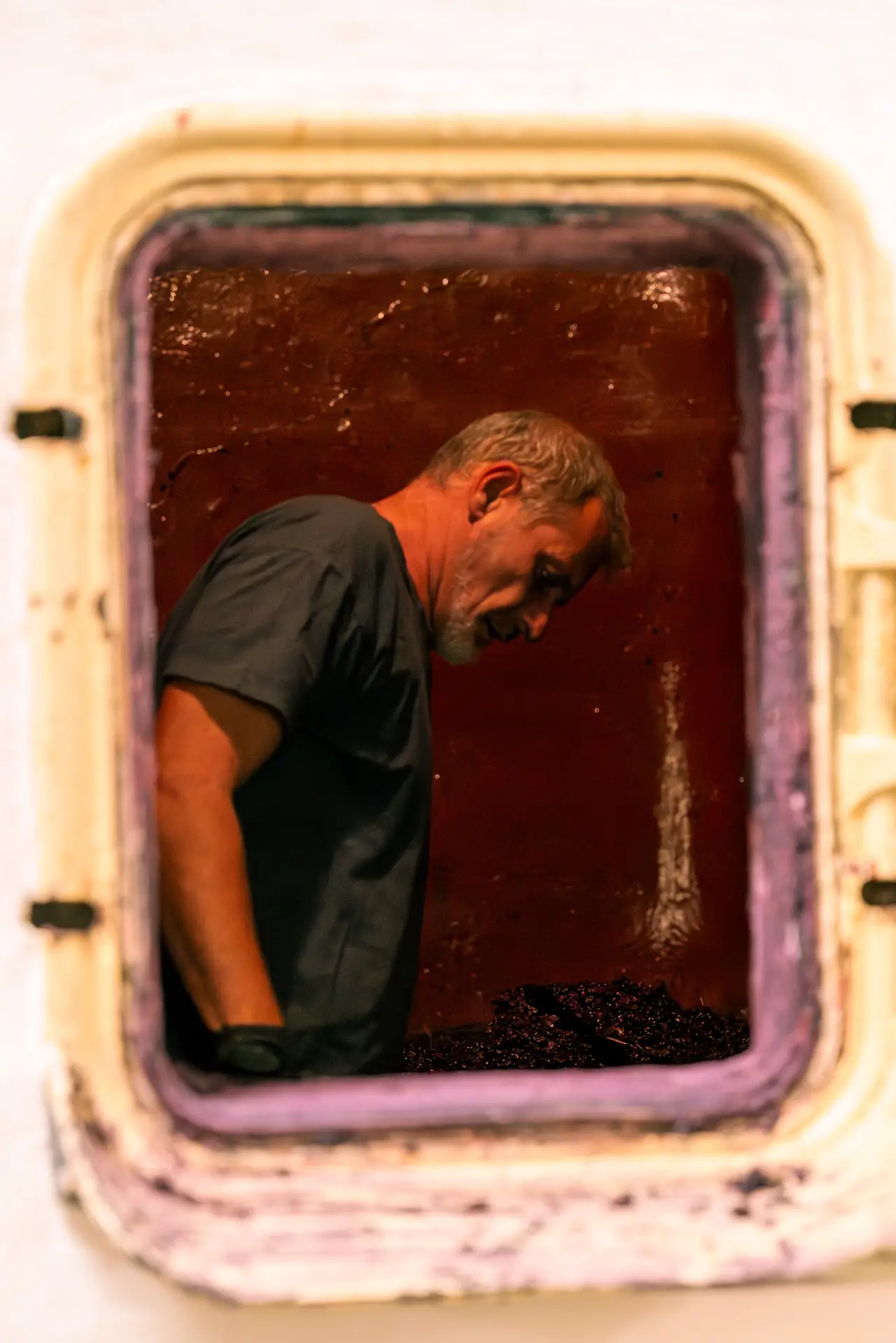
I prefer to shoot portraits on location with a flash rather than in a studio. This has a number of advantages: it makes life easier for the winemaker or vineyard manager, as there’s no need to travel, and the photographs taken in real-life conditions allow the photographer’s eye to capture the atmosphere on site.
This content can then be used by the company to communicate on its website or networks, and can have a different impact from video.
The Côtes du Rhône, Languedoc, Bordeaux, Champagne and other wines of France are renowned for their complex, well-balanced wines, historic estates and unique landscapes.
Established in this magnificent region of the Côtes du Rhône and its characteristic terroirs in the heart of nature, I offer my photo reports around the professions of the vineyard as well as packshot photography and coverage of your events by giving you the photographs of these moments.
As a professional wine photographer, I focus on the beauty of the region, the place and the vines, including the winemakers and their know-how. For me, wine and photography are closely linked and complementary. This link must emerge naturally for wine photography in order to provide quality visual material for your communication and the life of your winery.
These photos for a vineyard or château are used by winegrowers for brochures, websites and external communication. These tools are necessary to promote their winery to customers and partners.
Making a reportage of the place or a portrait of the winemaker, allows you to embody your vineyards and give a professional or wine lover a feeling of proximity. Whether it’s for framed communication or a more informal blog, this approach is essential in an age when photos and videos are everywhere.
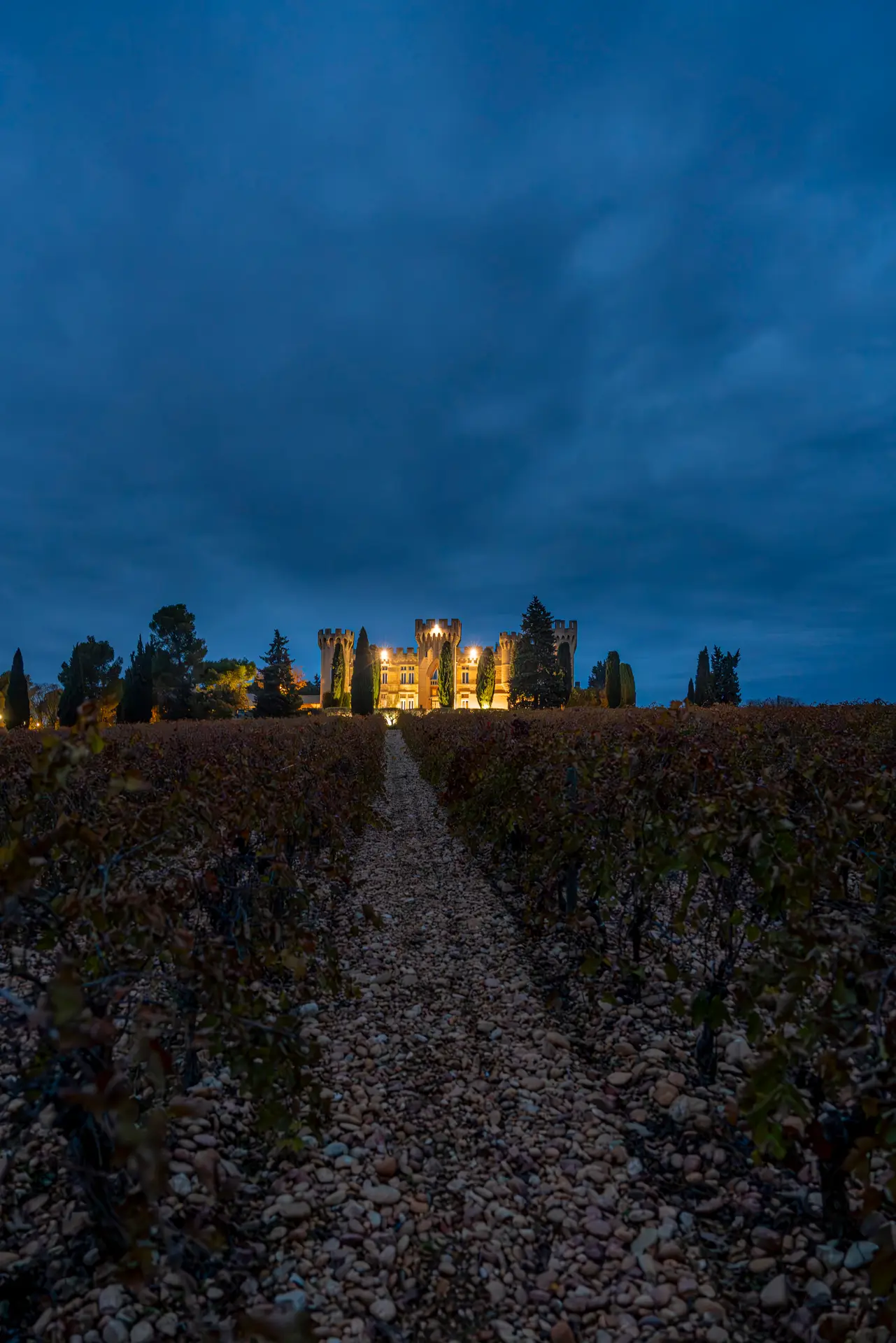
My photos capture the architecture of a château or estate and its plots from the best angles, whether in the wilderness for vineyard photography or indoors to photograph the cellars and volumes of the properties.
Macrophotography is also an interesting tool for focusing on grapes or vines at different stages of flowering, as well as on work in the cellar.
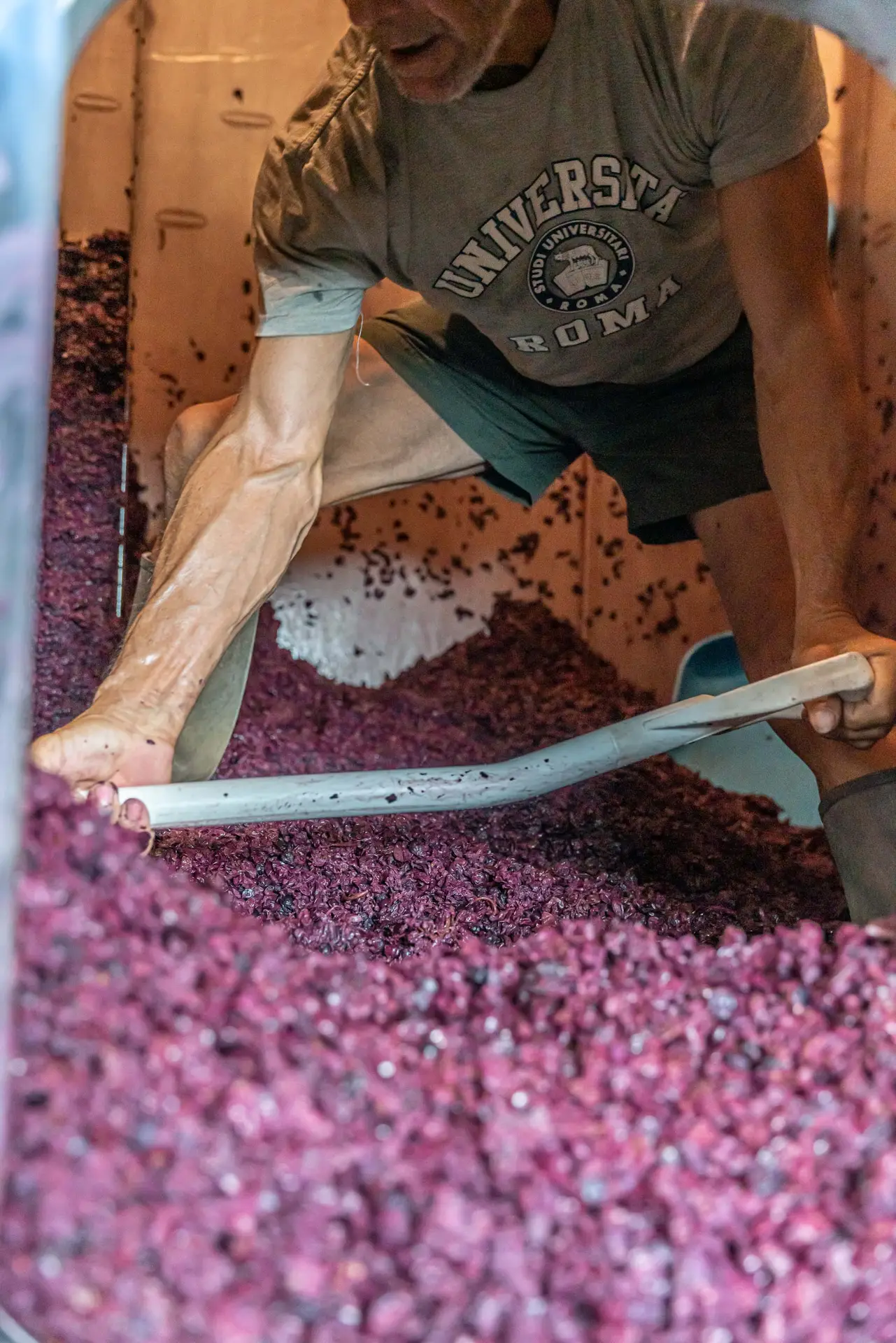
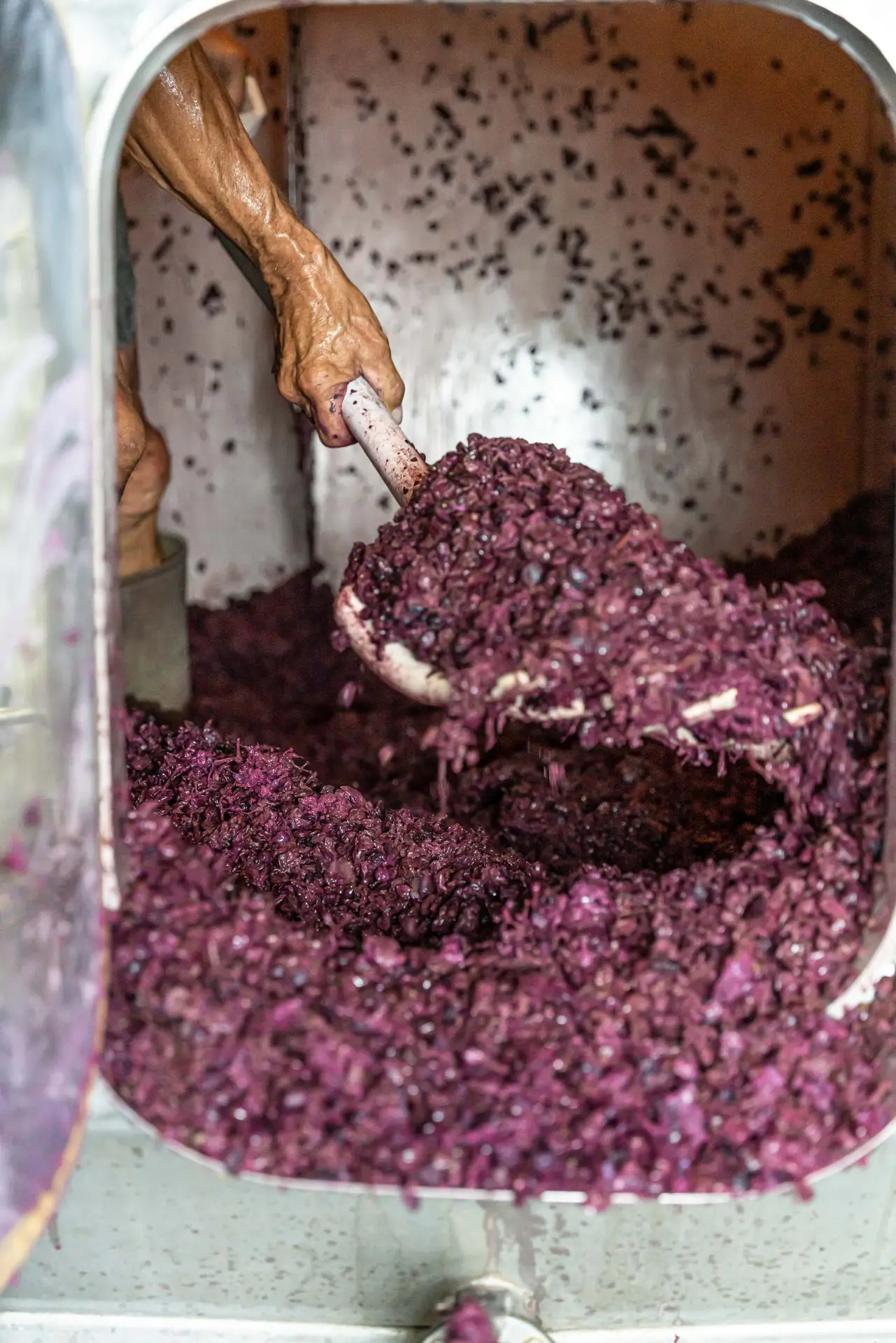
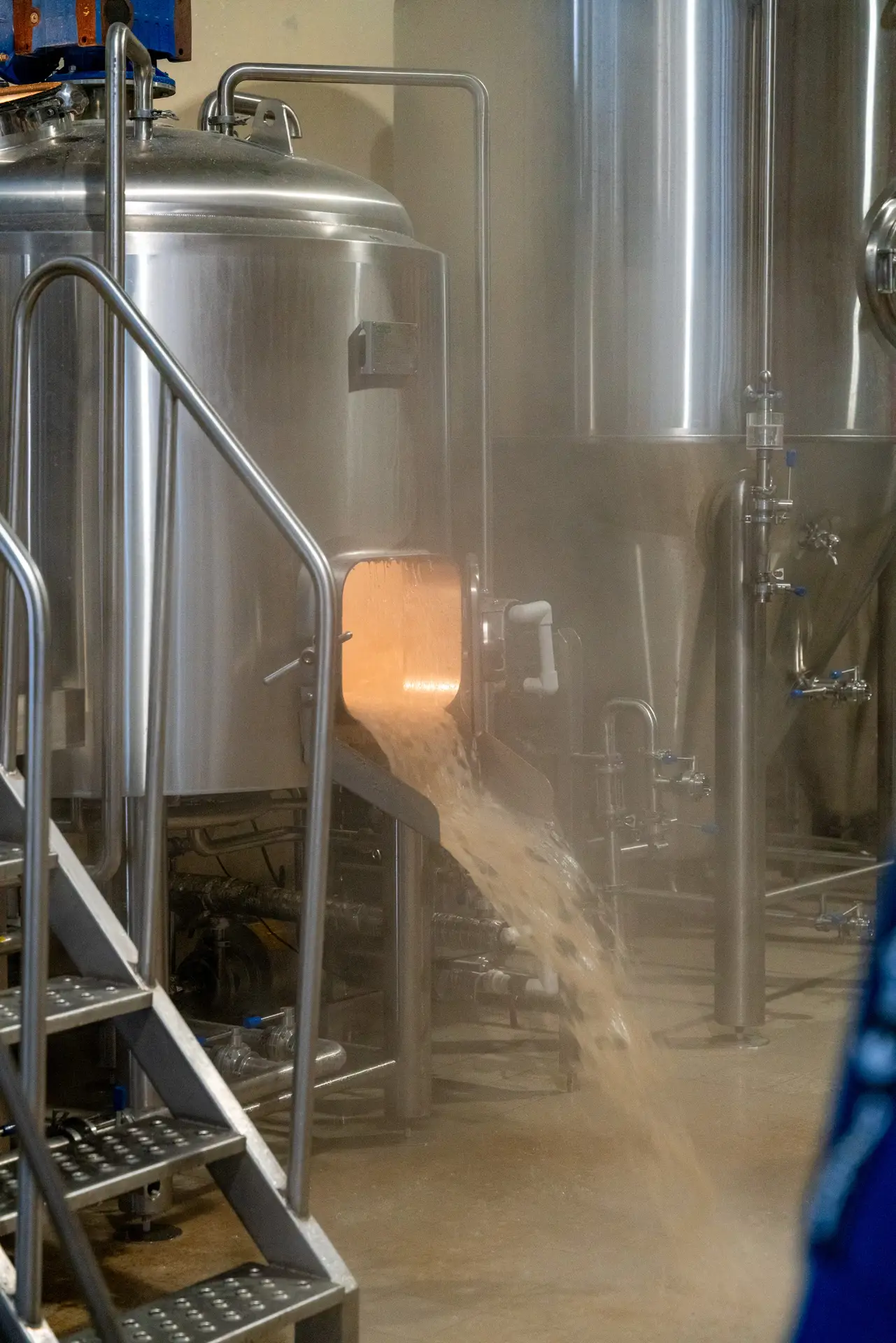
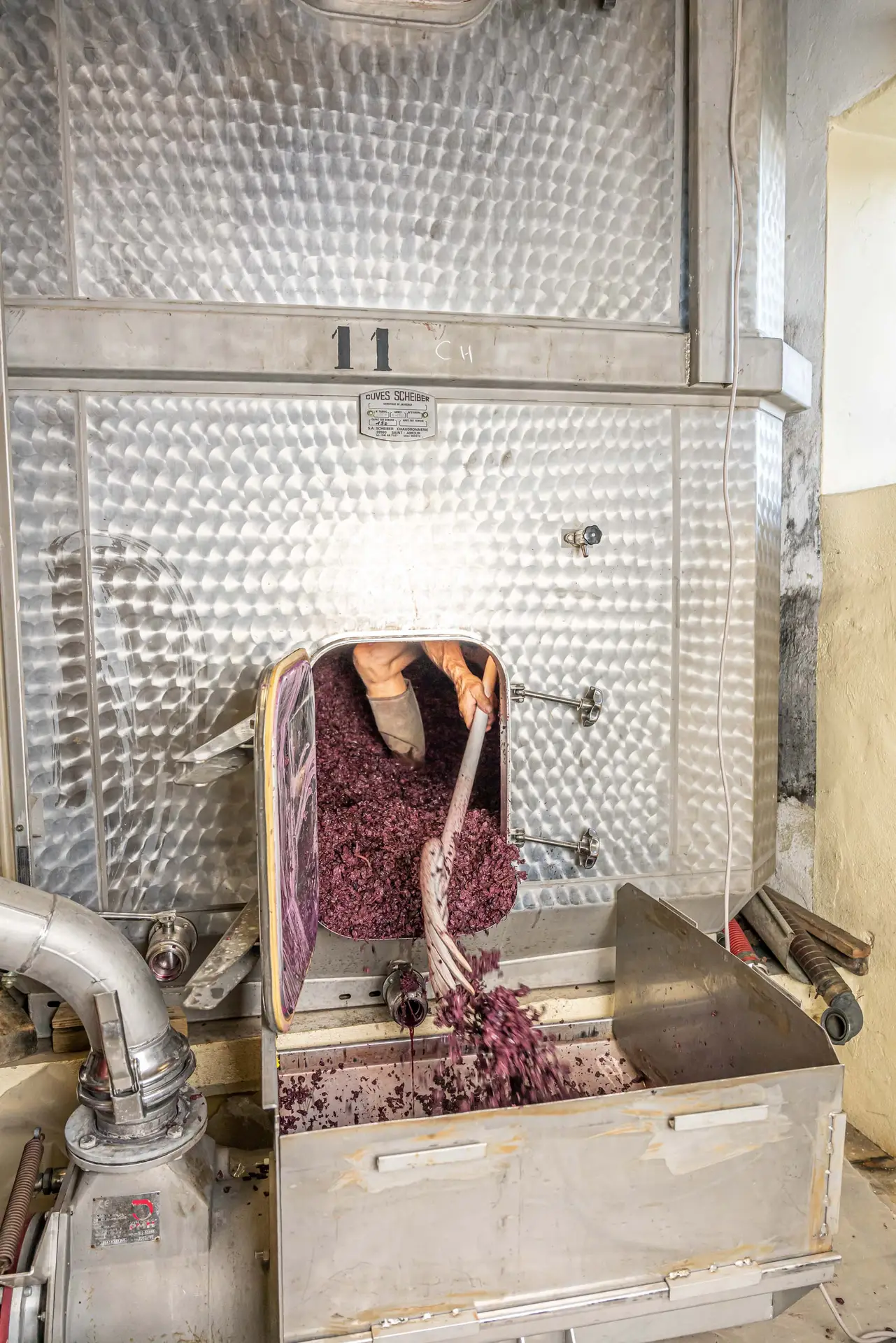
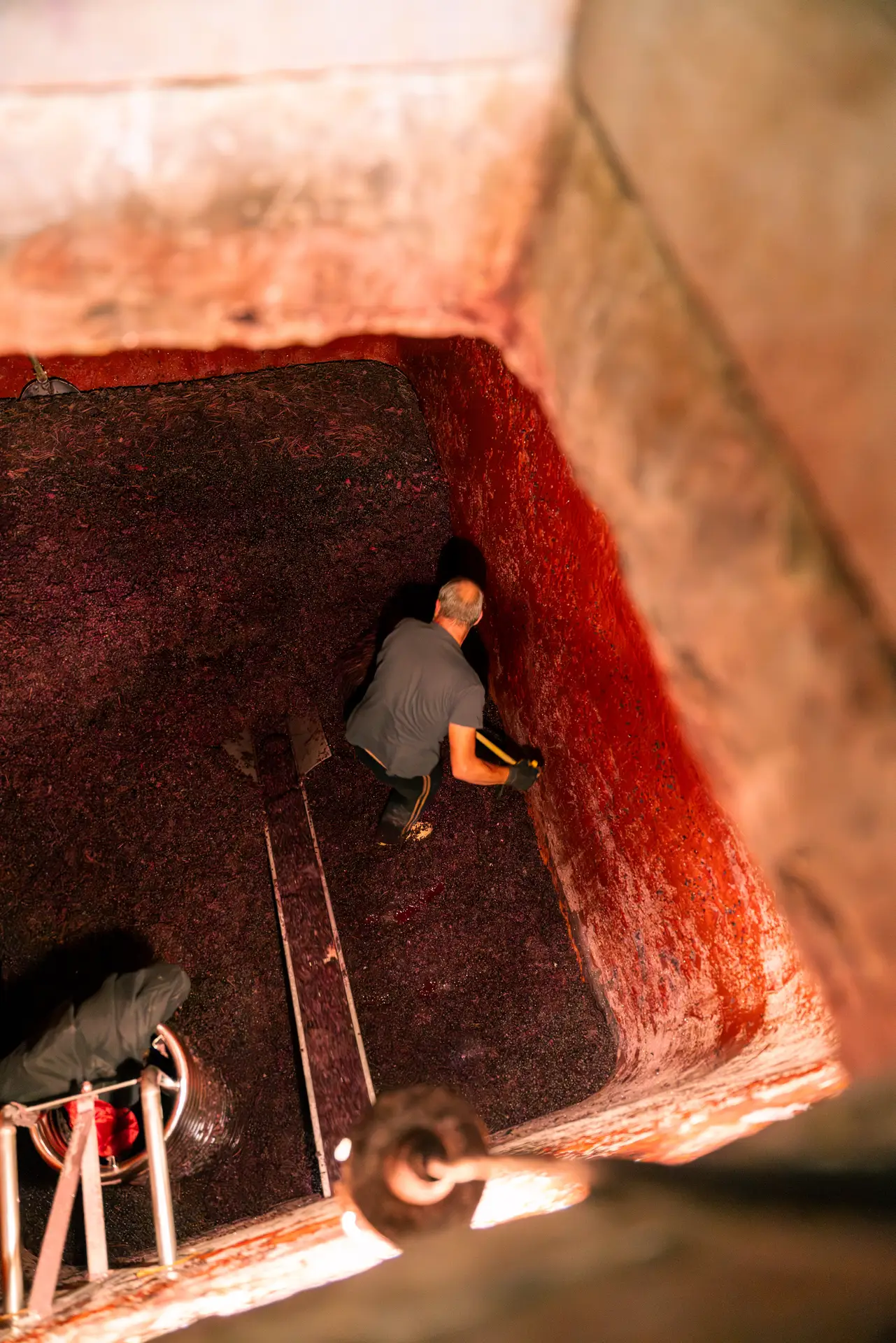
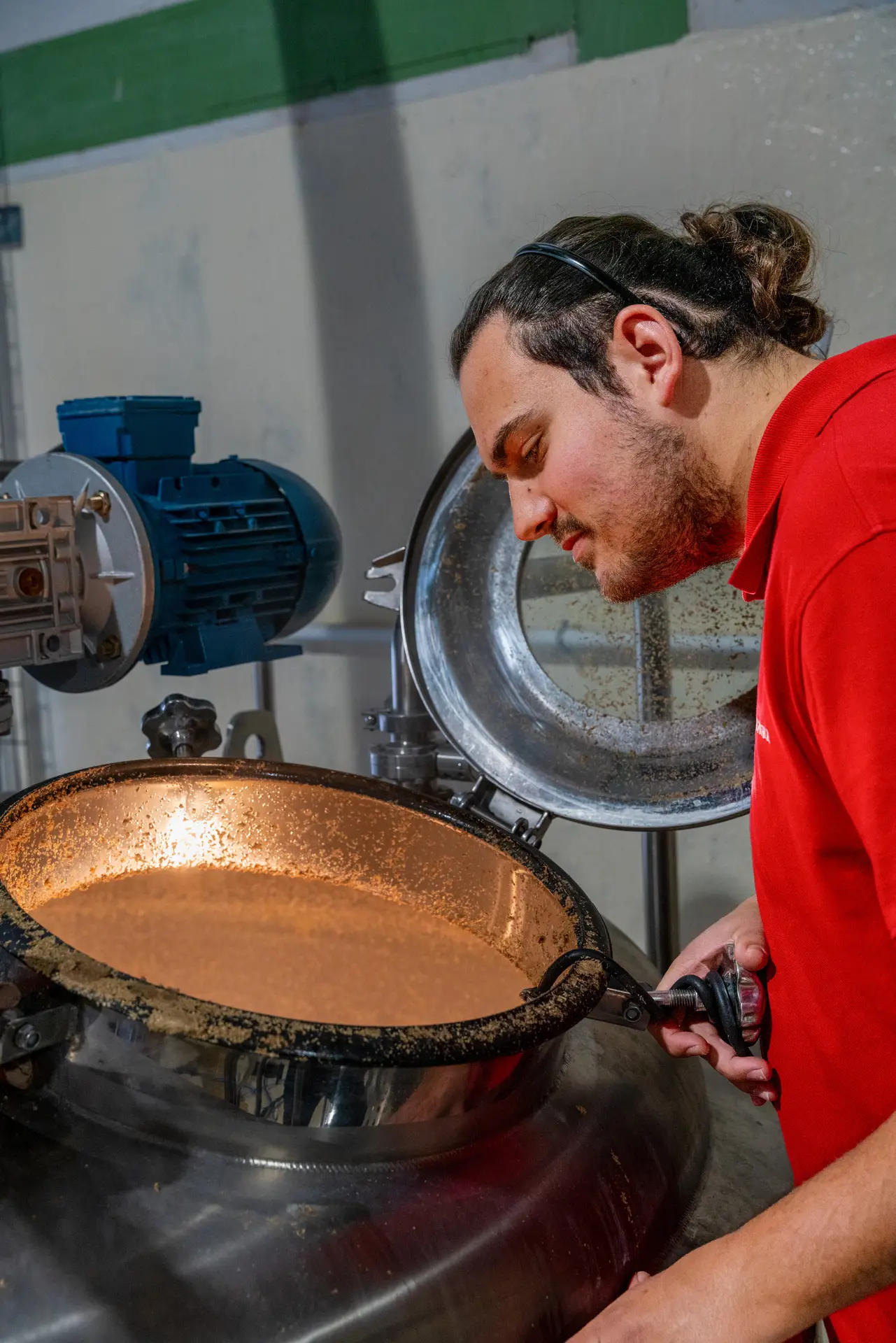
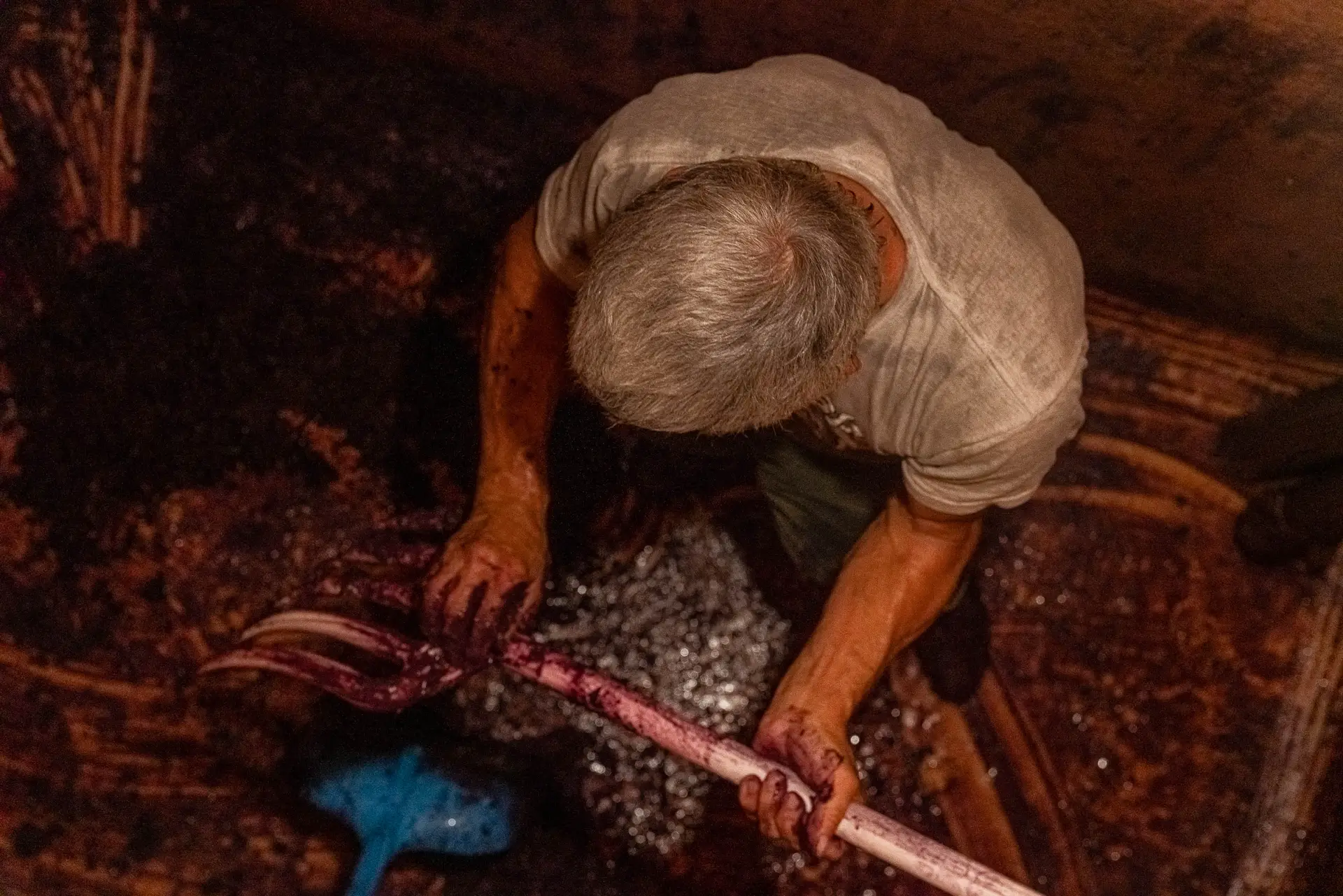
Vinification is also very important in a professional wine photographer’s report, since it is during this complex stage that the grape juice gives way to the wine. Precise skills are required to carry out this process through to maturation and bottling.
This type of photography requires appropriate equipment, which is why I travel with the necessary lighting to provide you with the best possible image quality and thus pay tribute to this art form.
To bring out the best in these different components of wine, you need a solid technical grounding, especially in lighting, since shooting conditions vary enormously depending on the light in the scene (sunlight or artificial light).
You need to know how to manage movement, color and exposure to obtain a high-quality, usable photo, but also how to compose scenes visually and harmoniously.
The play of blur and sharpness is also interesting with the perspectives offered by the vines. The play of textures is also a priority in my photos, so that the organic side of each vineyard photograph stands out.
In addition to the technical and agricultural aspects of wine, the life of an estate also revolves around the events it organizes in its terroirs. Professional wine photographers can help you promote these events and showcase your products at tastings and meals. These situations help consumers to visualize themselves, and help winemakers to promote their wines and the life they lead through images.
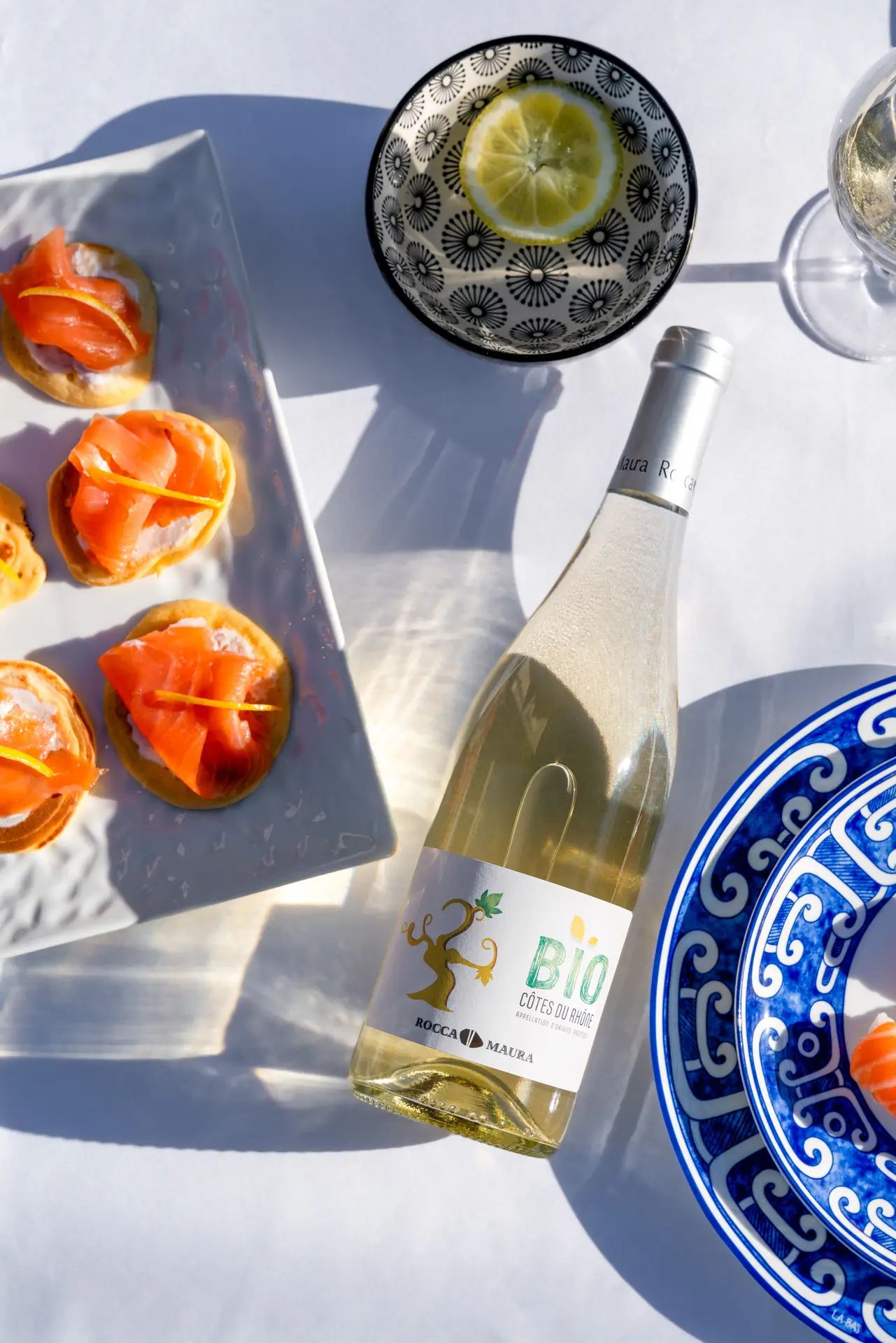
These photos can be specially staged with a beautiful table or taken at your receptions, meals, concerts, etc.
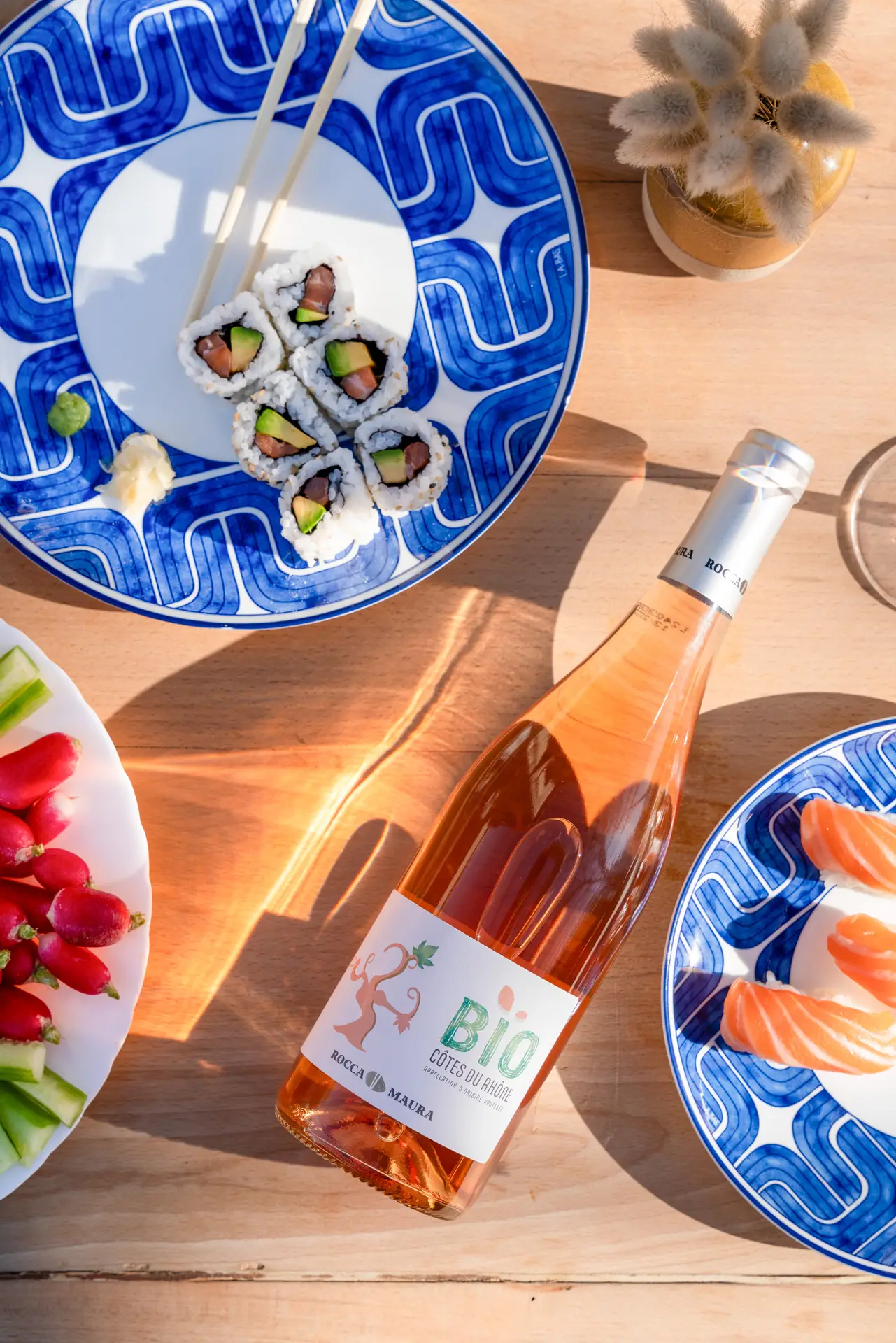
To complete my offer and services for these wine images, it’s also essential to provide help in showcasing a vineyard’s finished products: wine bottles with packshot photography.
To create a beautiful packshot, it’s essential to understand the bottle, the color and nature of the spirit or wine, whether sparkling or not (white, rosé, red or champagne), and how the light will interact with these elements. Also, the professional wine bottle photographer must highlight the work and care put into the wine’s label and capsule.
You also need to know how to manage reflections: how to create regular reflections along the length of the bottle to create volume, while avoiding unwanted reflections from flash or lighting on other parts of the product.
The rendering of the packshot must then conform to the customer’s requirements: it can be sober and elegant, or more daring and creative. Nevertheless, the final rendering must be meticulously retouched, tracking down any imperfections that might catch the eye and steal the show from the star of the shot.
The work of the studio wine photographer also begins before the shot is taken, where the lighting must be subtly adjusted to provide a soft glow, but also to allow the bottle to stand out from the white or black background, so as to bring out the true color of the wine or spirit. The cap and label must also be visible, so that the product is presented in the best possible conditions.
Finally, the retouching phase is essential. There are always flaws in a packshot, due to dust or the composition of the bottle glass. Each part of the bottle can be retouched in a different way, requiring meticulousness and concentration.
The file is then supplied as a .jpg with a plain background (often white or black) or completely cropped as a .png.
I work with customers who send me their bottles so that I can take photos of the product. Once the retouching has been done, I send the finished work.
This works independently of the geographical area for bottles of spirits, white, red, rosé, champagne, etc…
It is also possible to shoot the bottles outside the specialist’s studio in your field, to add context to your bottle photo.
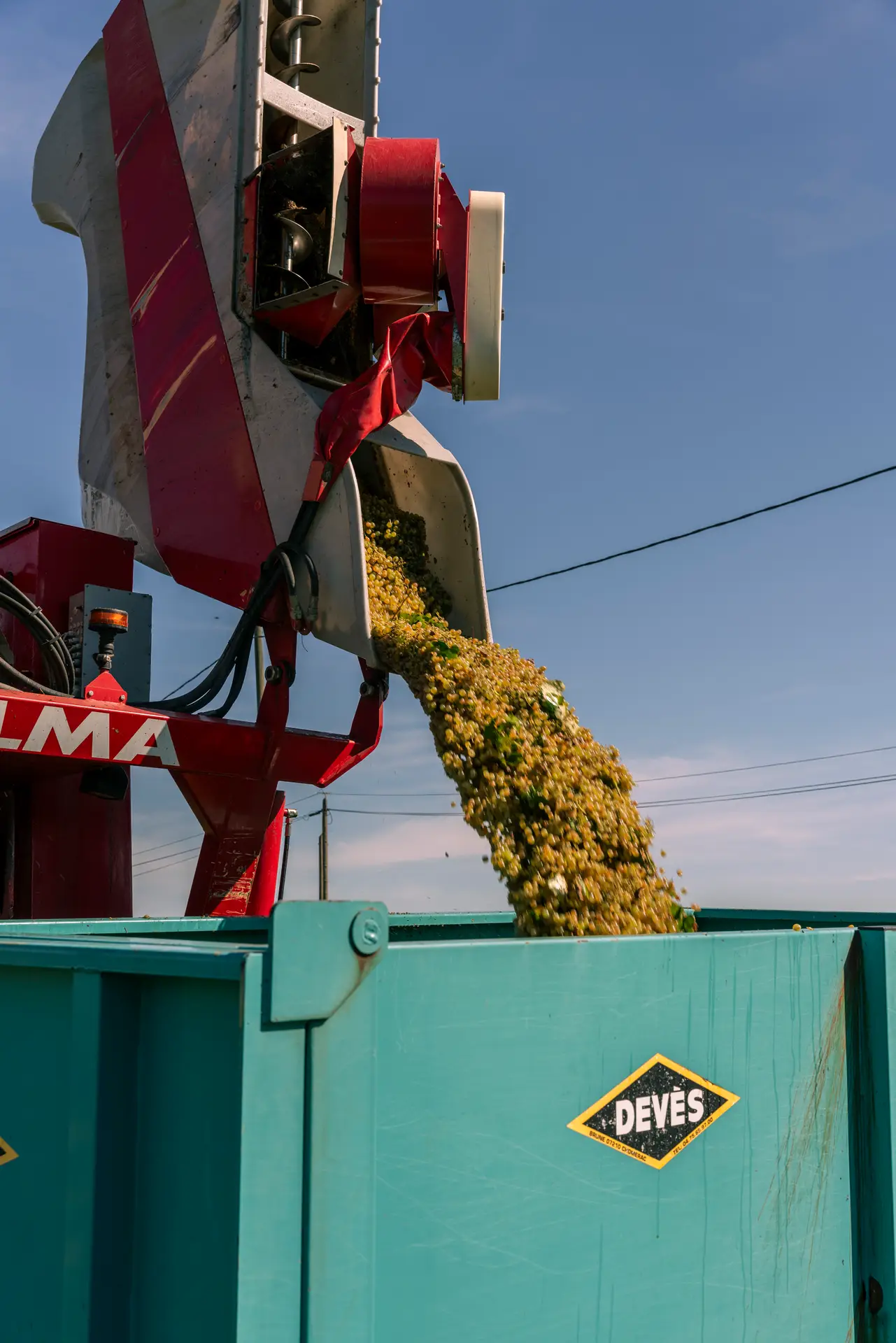
This year, I was able to take advantage of the end of summer to take images of the vines and terroirs during the harvest, so that consumers could learn more about this exceptional but difficult period for vineyard work.
Being lucky enough to see the sun rise over the ripe grapes and drape them in warm light is a godsend for the wine photographer in me.
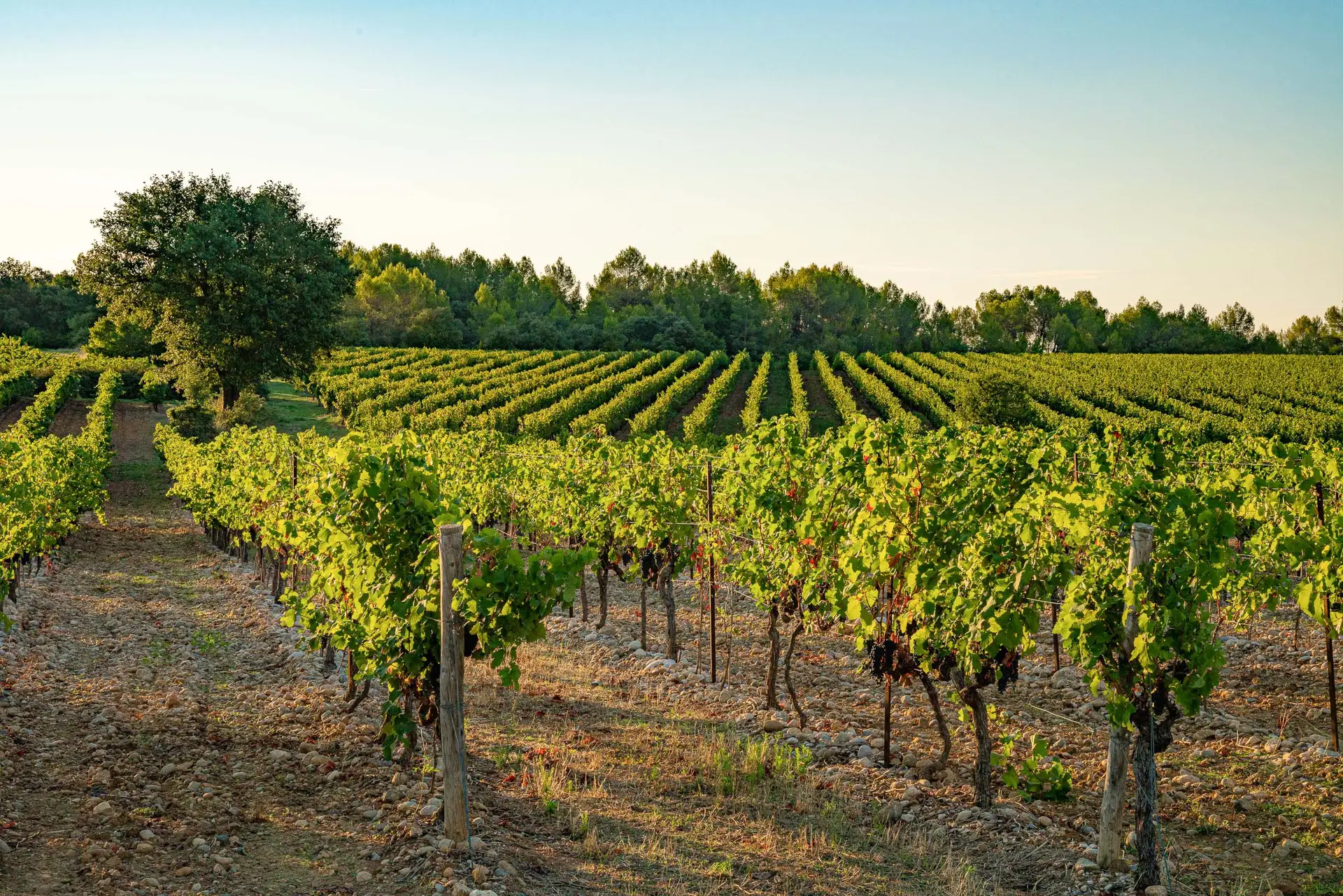
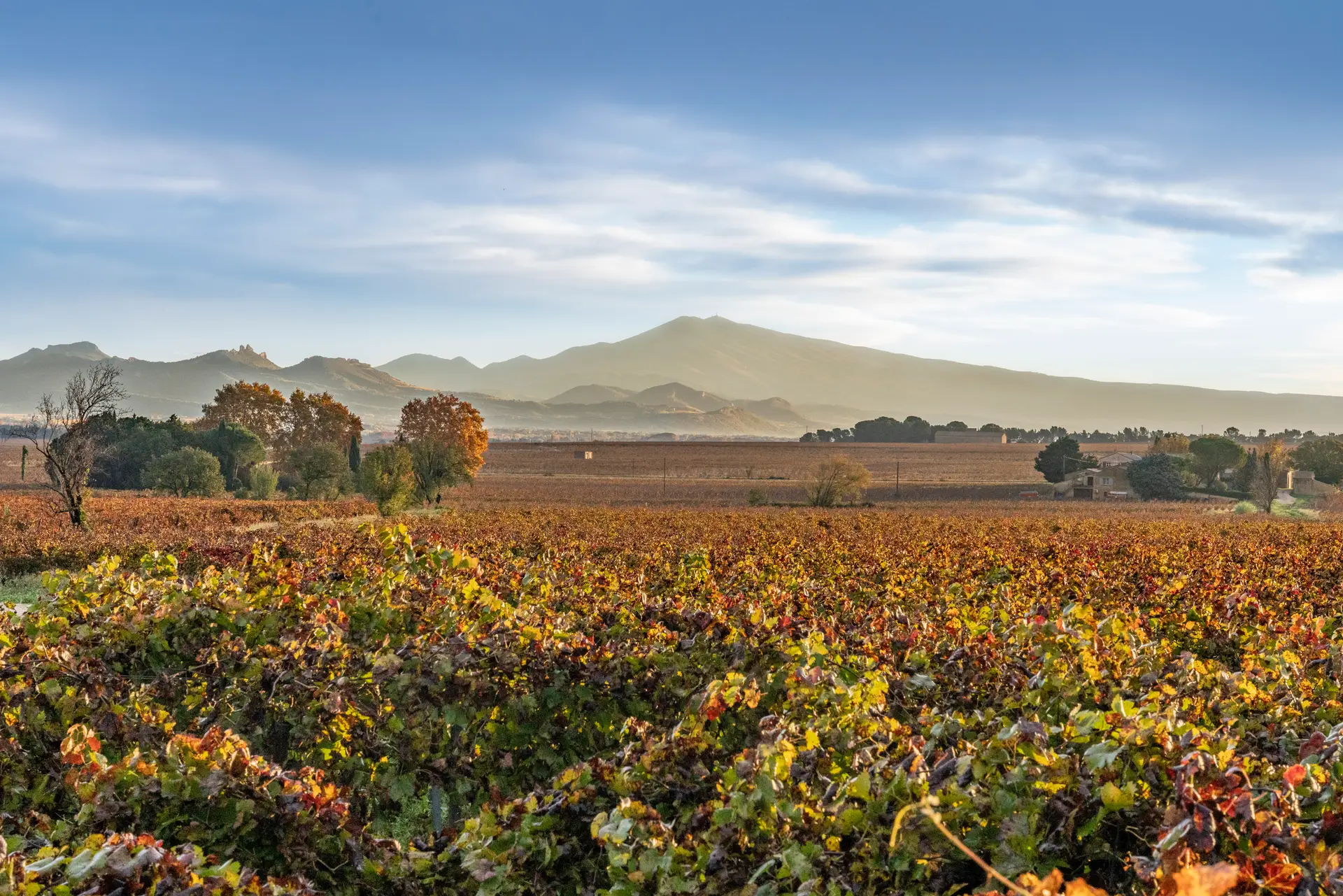
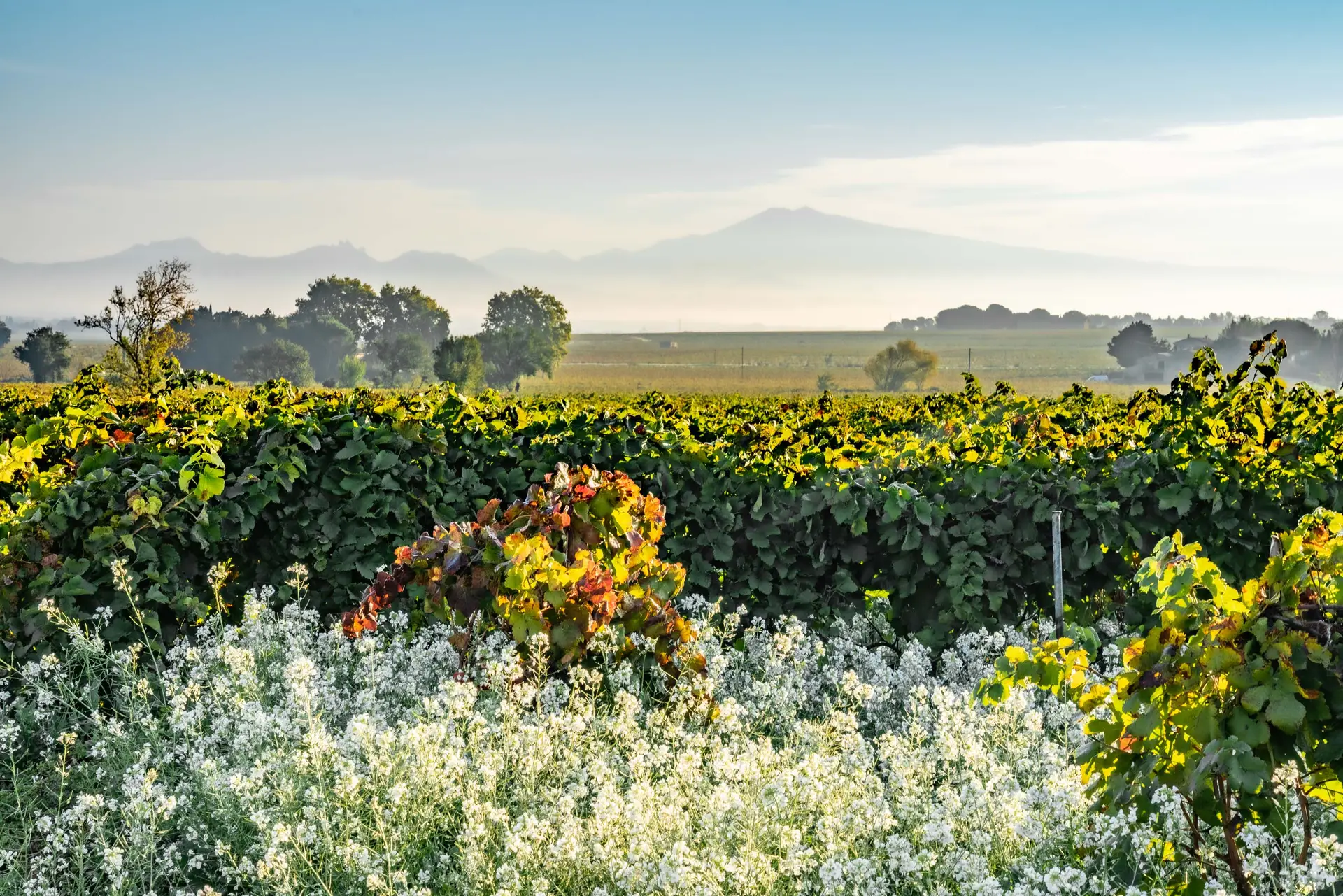
Strolling through the vineyards and observing the vistas that emerge is a quest that leads to images of interesting plots typical of each winemaker’s estate. Whether it’s Mont Ventoux, the Dentelles de Montmirail or the sea, the background allows the vines to take their place in the terroir, marking out their geographical and geological typicity.
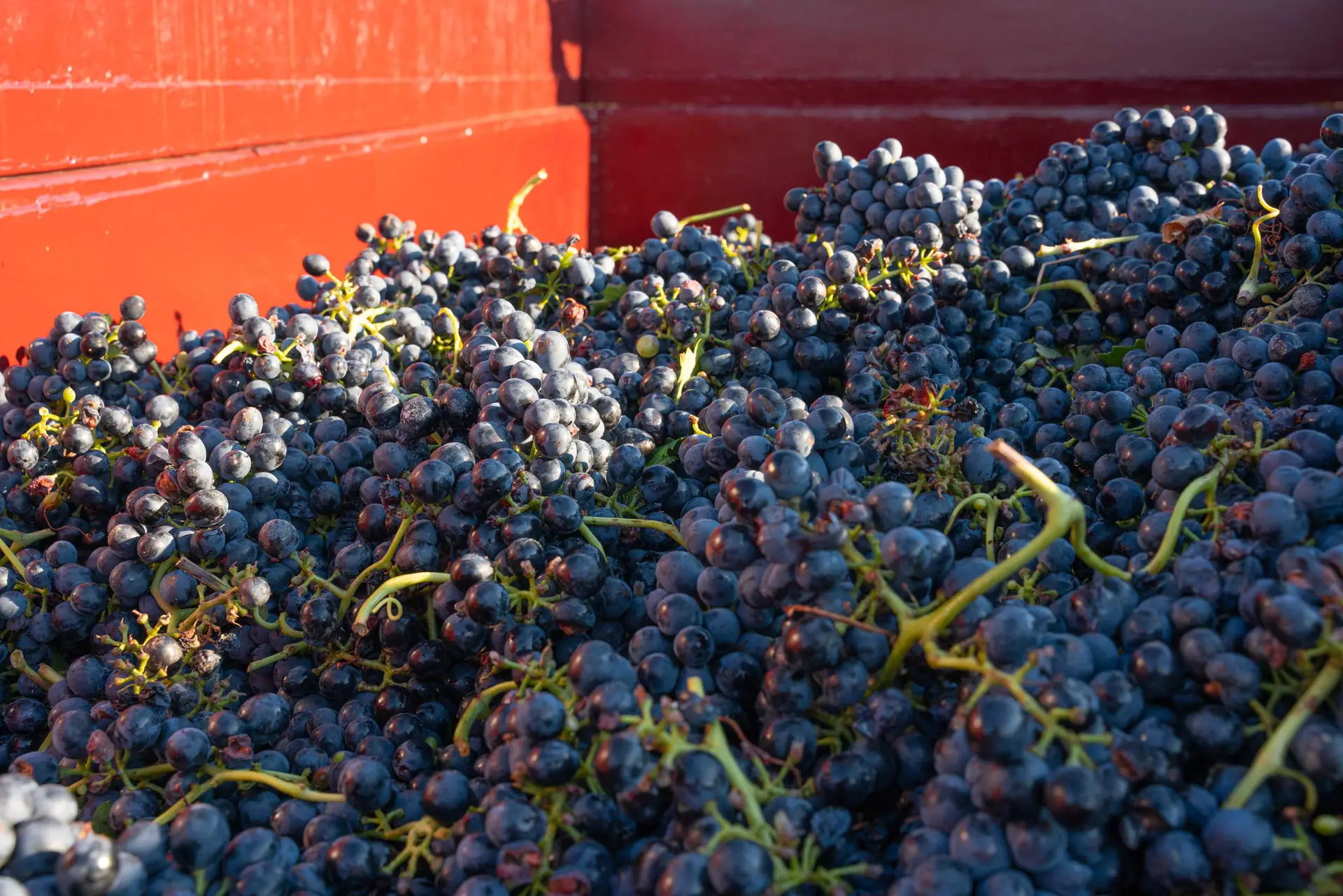
Being there at dawn allowed me to magnify the warm colors of the vines and take advantage of the cool weather to photograph the full bunches ready to be harvested.
The repetition of pattern offered by the plots is also a powerful source of inspiration. The vines aligned with the sugar-rich grapes emphasize the geometric, organic aspect of the vine.
Talks in the vineyards also enabled me to make friends with the farm workers doing the harvesting. The photos resulting from these exchanges are more natural and convey well this time of year in the vineyards; trying but human and warm.
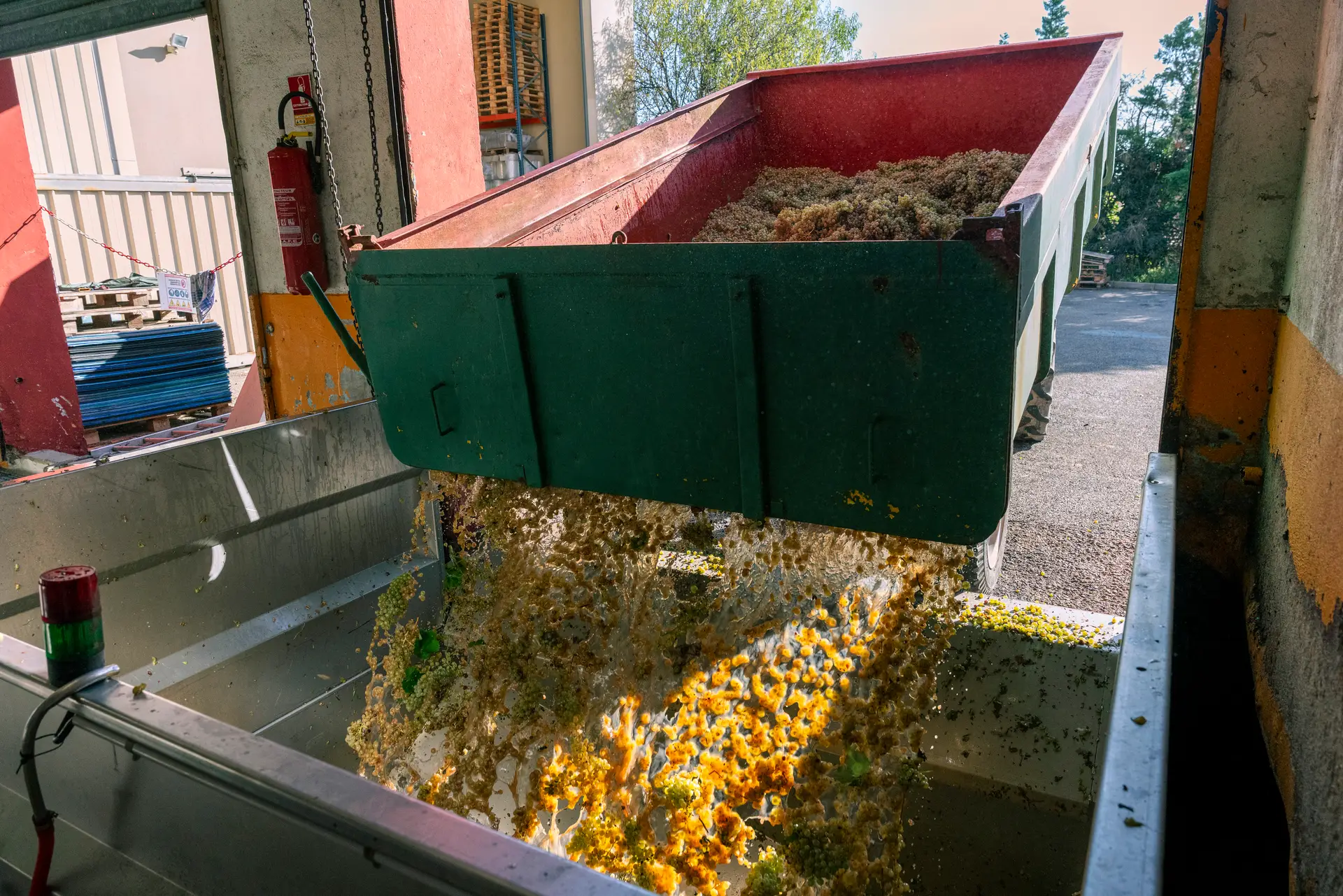
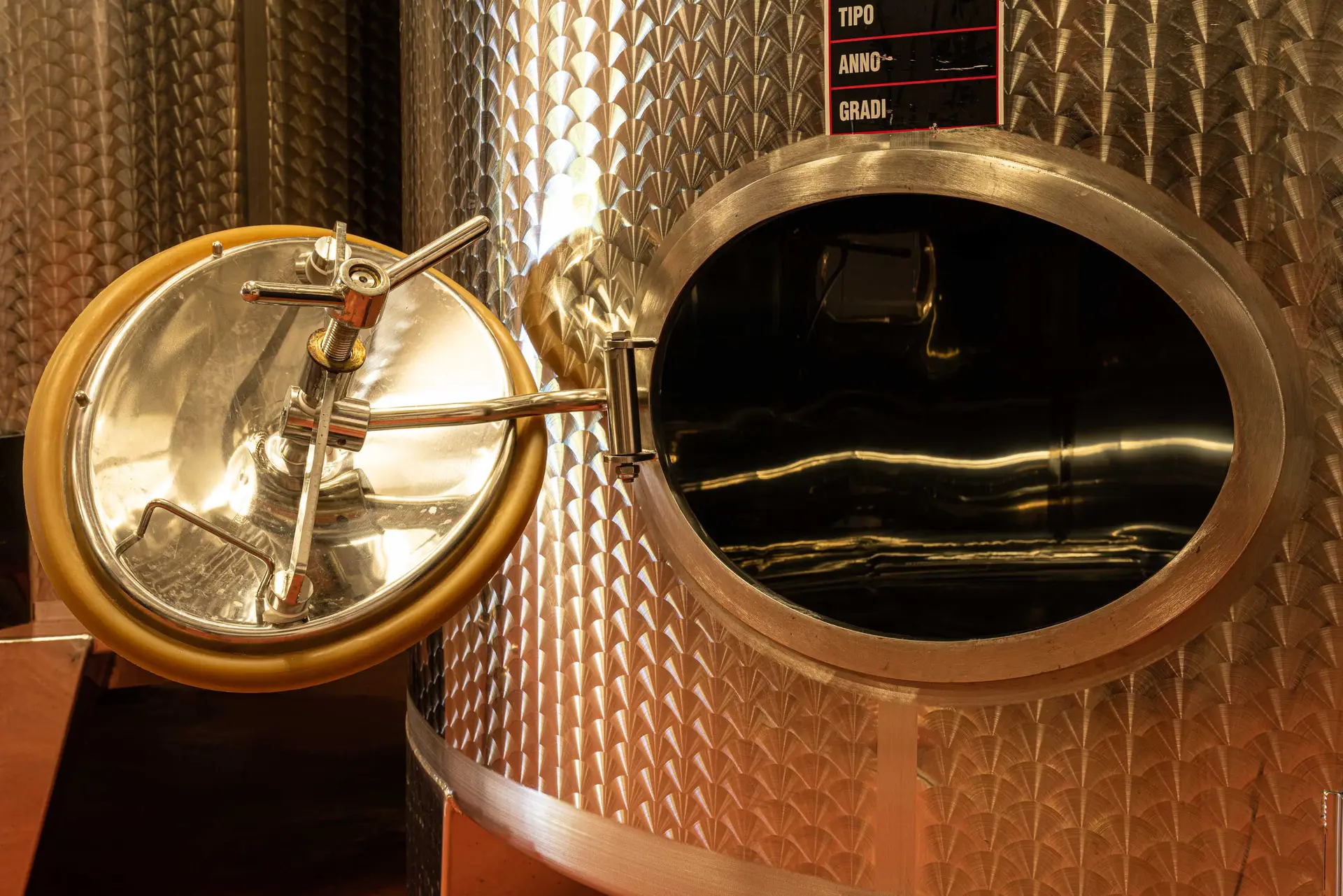
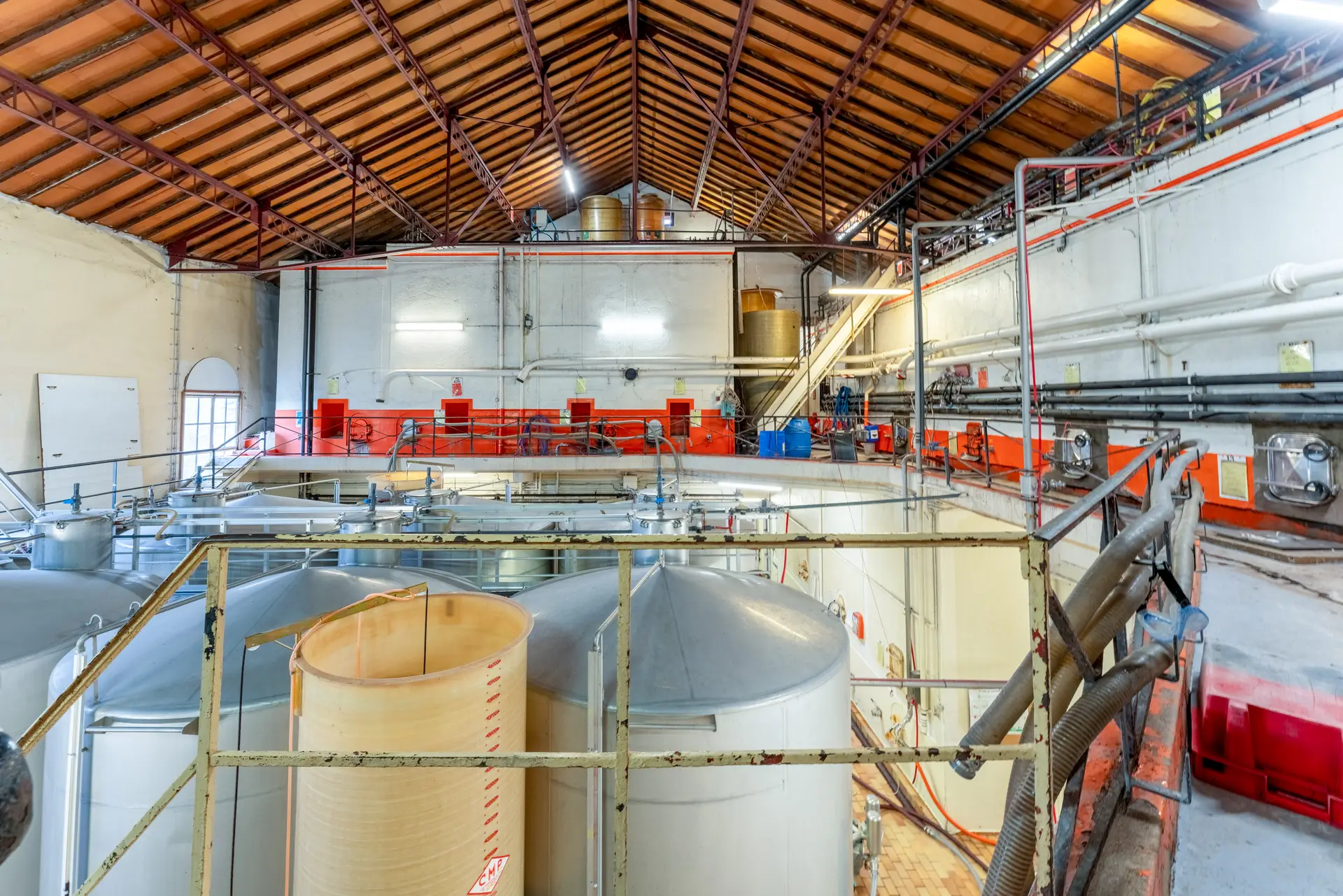
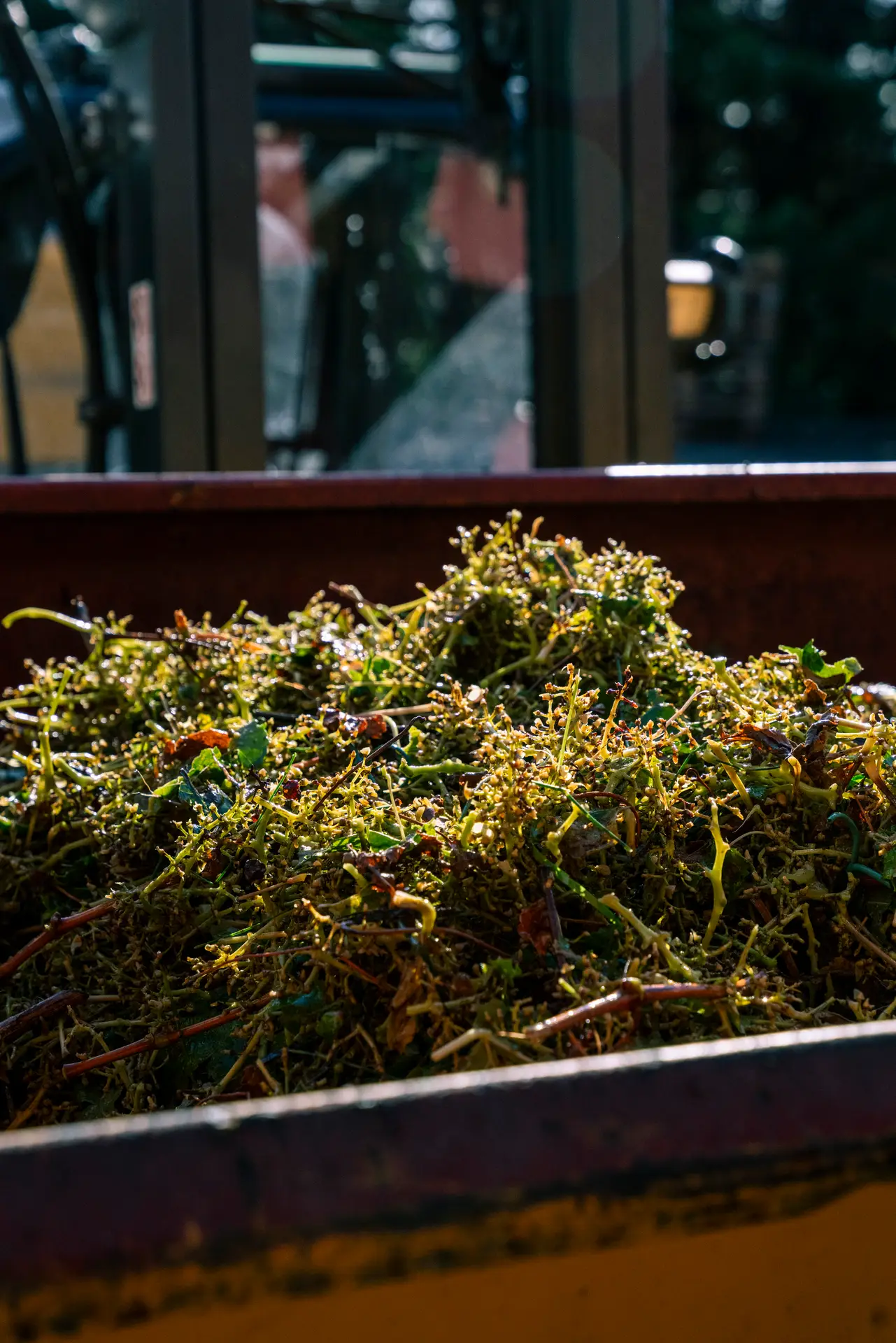
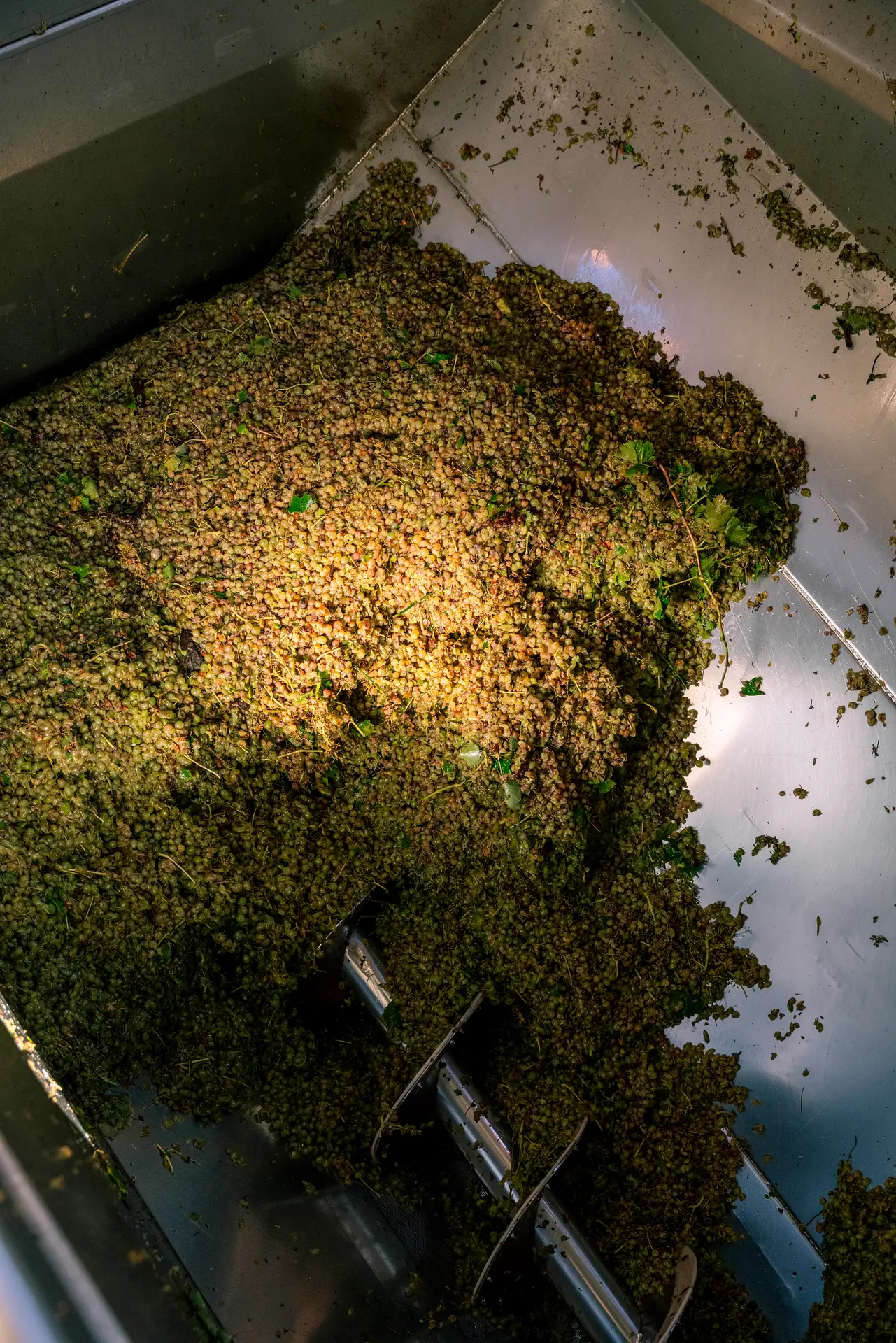
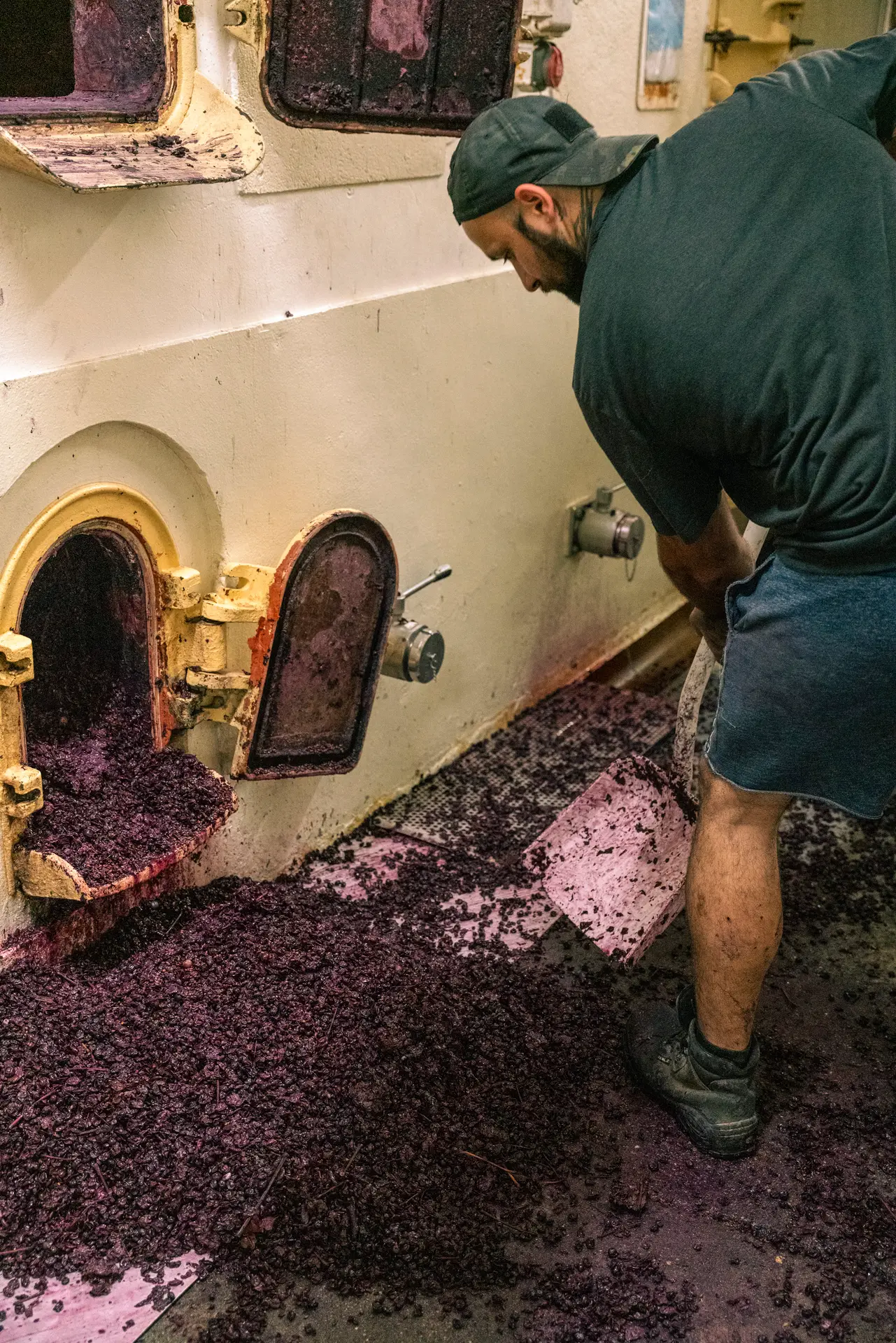
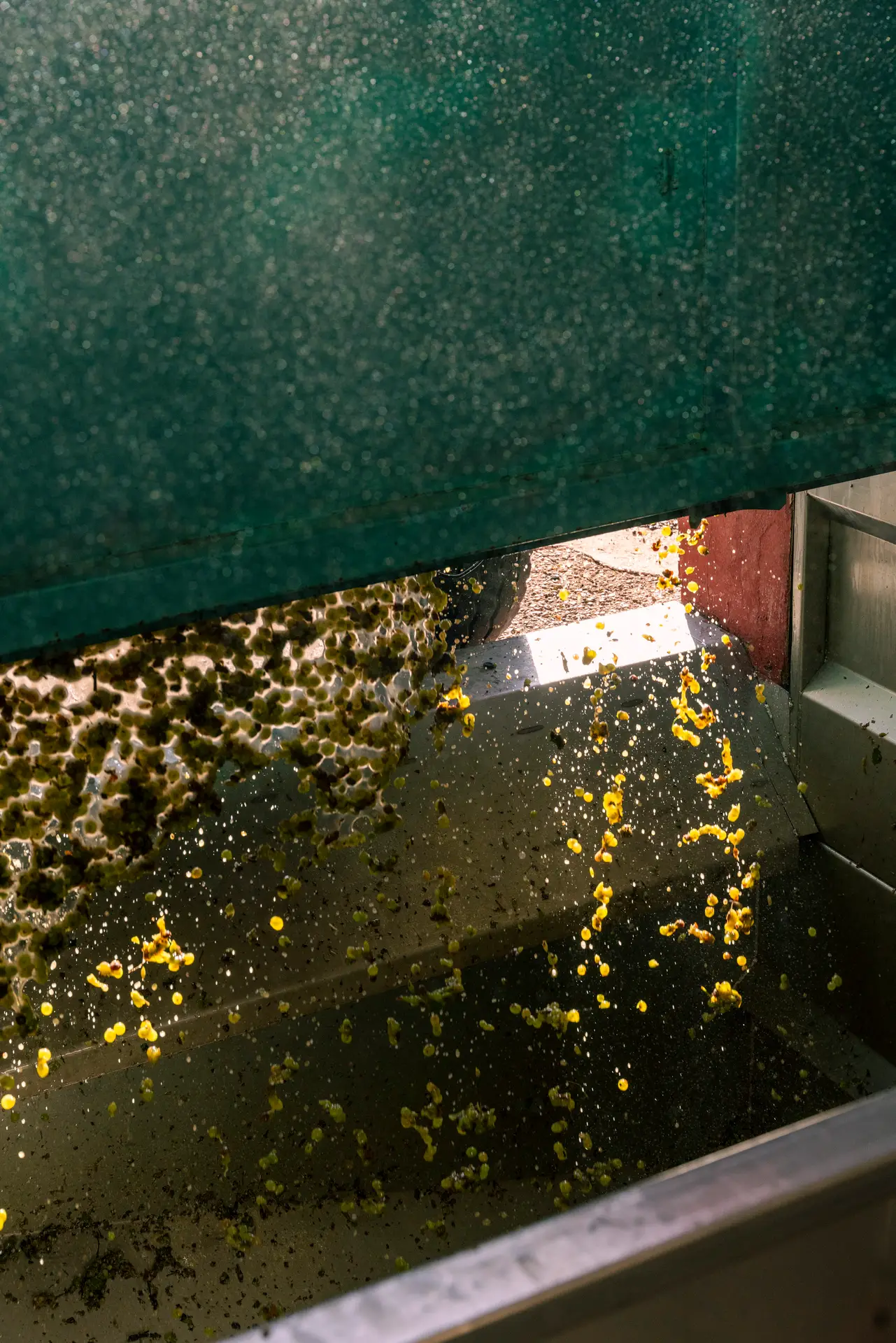
The main shots were of work in the vineyard, with bunches of grapes harvested in buckets and deposited in tractor trailers. The work in the winery was also not forgotten, with the elements of the vat room highlighted for their photogenic qualities.
Barrels and casks are also a source of inspiration, allowing us to show what goes on behind the scenes.
Last but not least, photos of the wineries as a whole help consumers to develop their knowledge of the world of wine and not stop at the vineyard, helping them to appreciate the work that remains to be done after the harvest using more or less advanced technical means.
Because terroirs and vineyards are unique, it’s essential to highlight them through authentic photography. The landscape, the vineyard, the location, the winemaker or winemakers are all possible elements of differentiation. A château in Bordeaux, a property in Champagne or an estate in the Côtes-du-Rhône have neither the same wine culture nor the same terroirs.
The reportage or portrait will therefore focus on different aspects, with the photographs there to support this singularity. As a professional wine photographer, I prefer to shoot portraits on location with a flash rather than in a studio. This has a number of advantages: it makes life easier for the winemaker or vineyard manager, as there’s no need to travel, and the photographs taken in real-life conditions allow the photographer’s eye to capture the atmosphere on site.
This content can then be used by the company to communicate on its blog, website or networks, and can have a different impact from video.
Finally, to ensure quality images, call in a professional. An amateur can be good in some areas, but portraiture is often difficult to master, as exposure conditions are never identical from one report to the next.
A photographer’s rates vary according to the work required by the company. For example, to shoot portraits or packshots, he won’t use the same equipment or the same level of retouching as to shoot grape harvests or architecture in broad daylight for the estate.
In fact, specific flash-based lighting is required indoors to achieve a quality finish. This increases the price of the quote.
To get an idea of the cost of the service, you can ask the specialist in packshots or other types of photos to draw up a detailed estimate with the type of shoot planned.
It’s ideal to have an idea of how the packshot or other photo you want will look, so that the professional can give you the best advice and explain how to get the result you want.