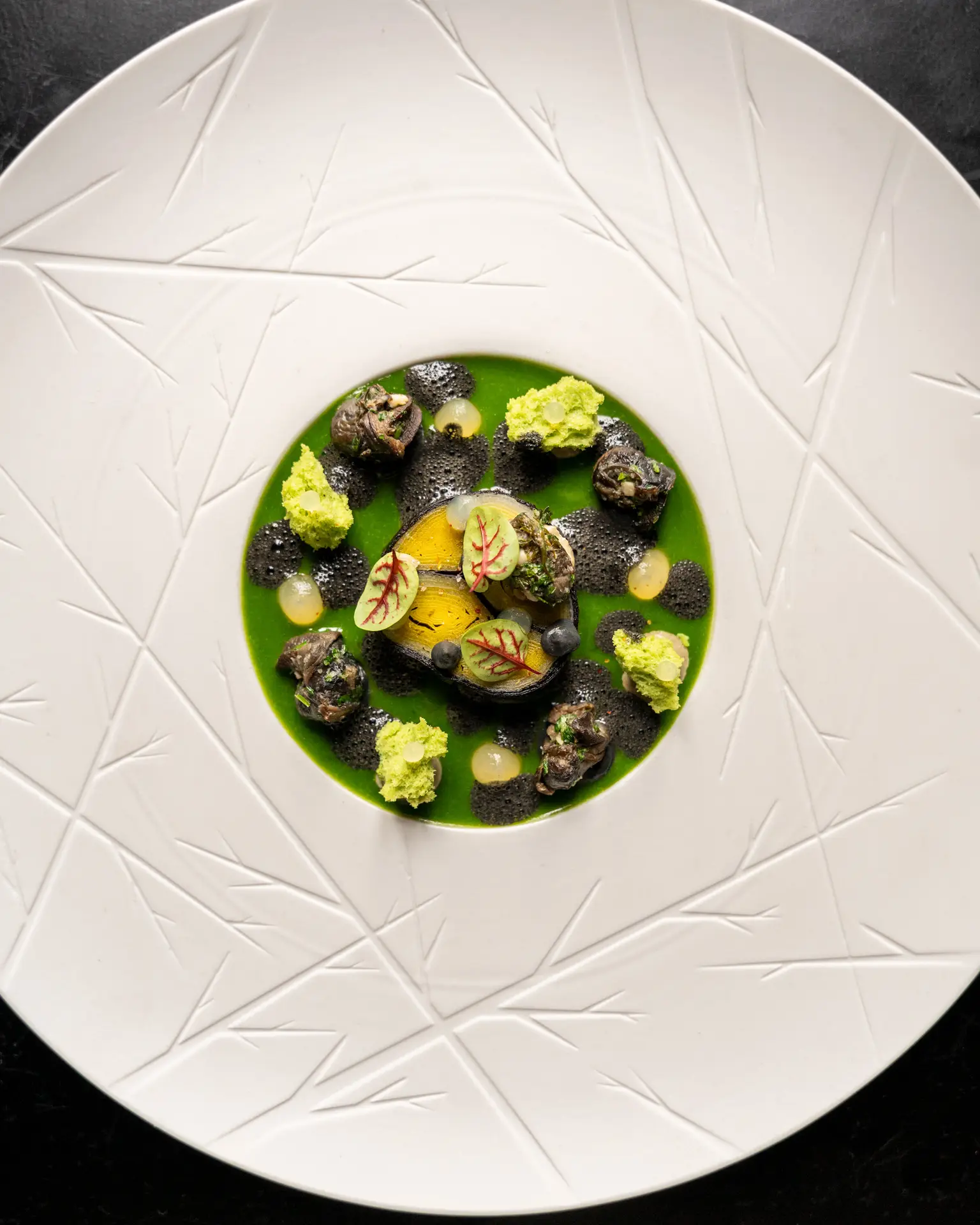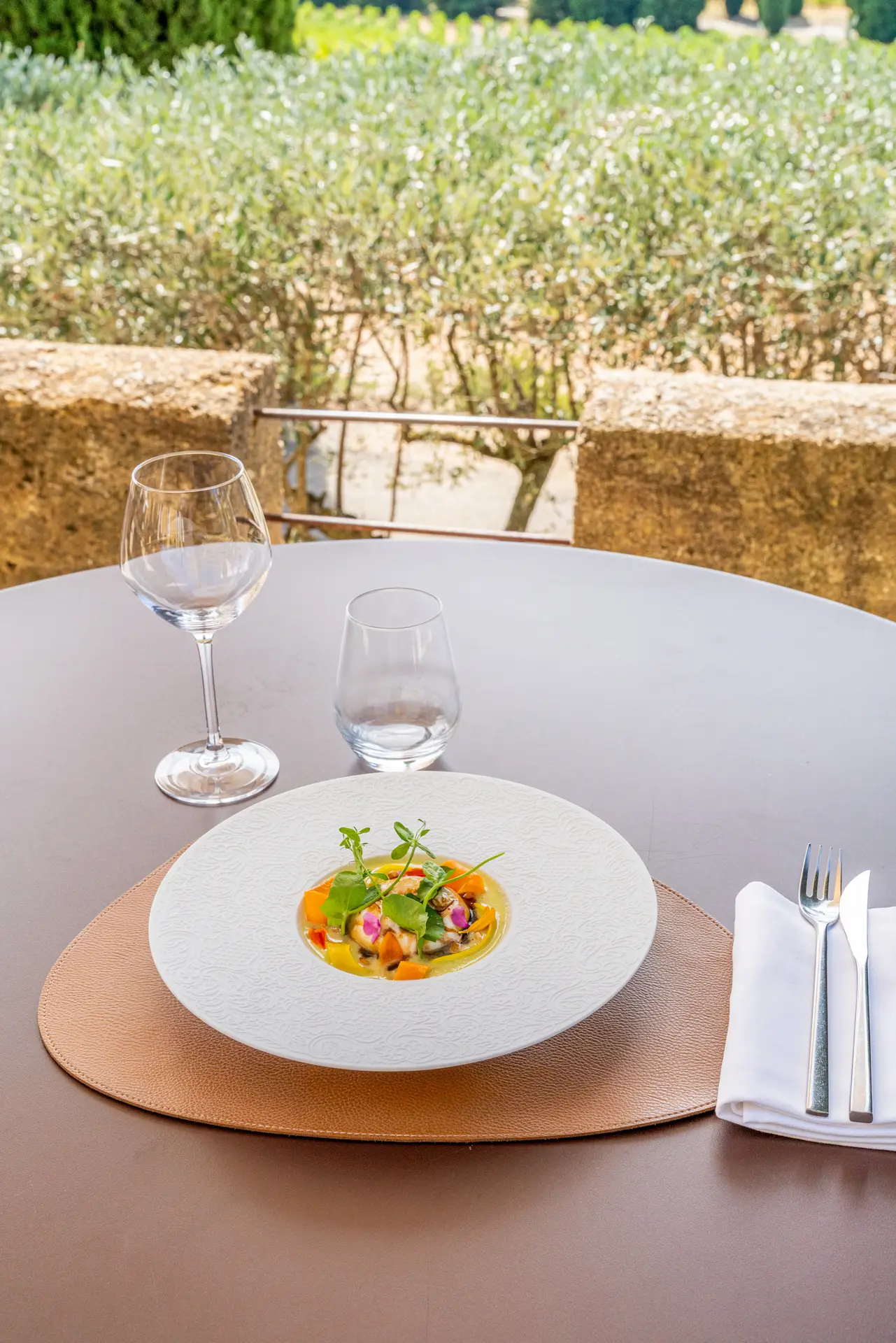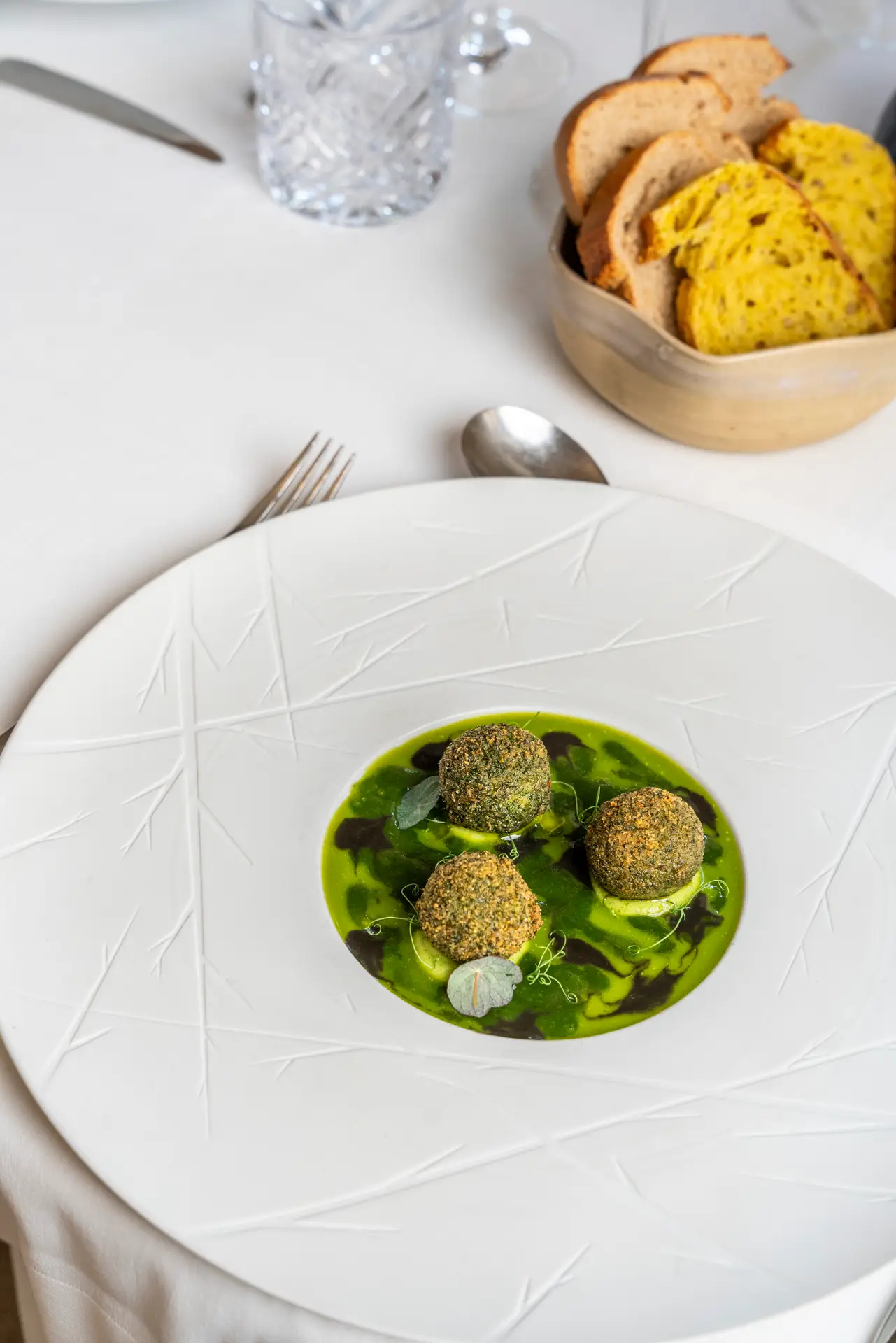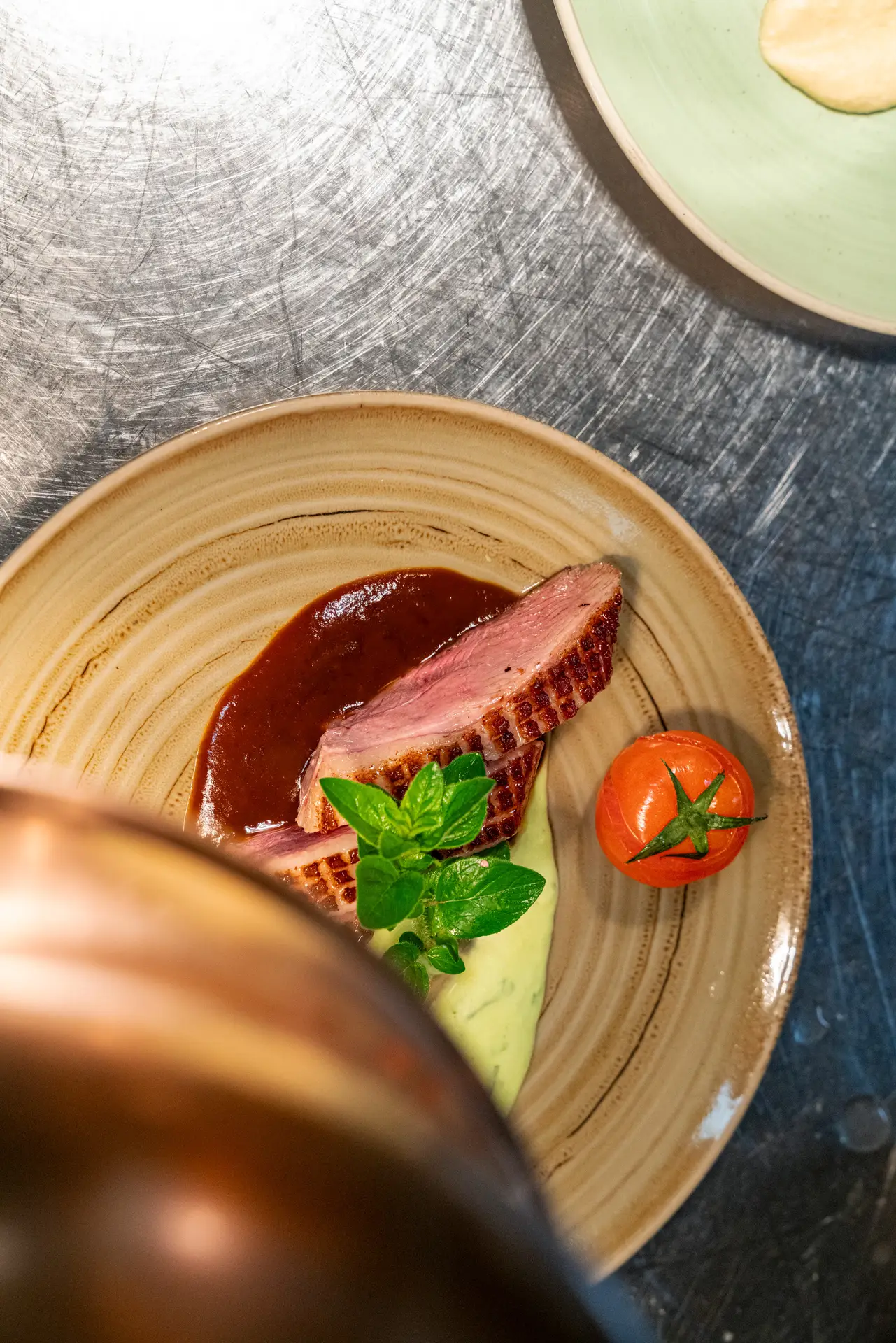
Culinary photographer

Culinary

Flavors, colors and elegance

The art of food photography is not just about “capturing” a dish, but about evoking its flavors, textures and history through a simple image.

Whether for social networking sites, restaurant menus or food brand advertising, a well-executed photo can transform a dish into an appetizing visual experience. But why is this art so crucial, and how do you succeed in sublimating a plate to the point of making it a work of art?

Find out all you need to know about food photography: its importance, fundamental techniques, the secrets of successful staging, and why hiring a professional photographer can become an indispensable asset for any brand or restaurant.

Culinary photography and gastronomic marketing

In the age of social networking and image overconsumption, the visual has become an essential vector for capturing attention. The human eye reacts instinctively to colors and shapes. In food photography, this effect is used to arouse almost instantaneous desire.

Catching the eye of the modern consumer

In a society where consumers spend more and more time online, an appetizing, well-designed image is capable of scrolling through hundreds of dishes and stopping on just one: yours. Studies show that quality visual content increases interaction and engagement, especially when it evokes emotions such as envy or comfort.

Building a solid, differentiated brand

For restaurants and food brands, culinary photography is also a powerful branding tool. It allows them to communicate a unique visual identity, from the decoration of the plate to the ambience of the image. Well-thought-out food photography conveys the brand’s values: a gourmet restaurant will opt for a refined, uncluttered aesthetic, while an organic food brand may prefer natural tones and organic textures.

Telling a story and arousing emotion

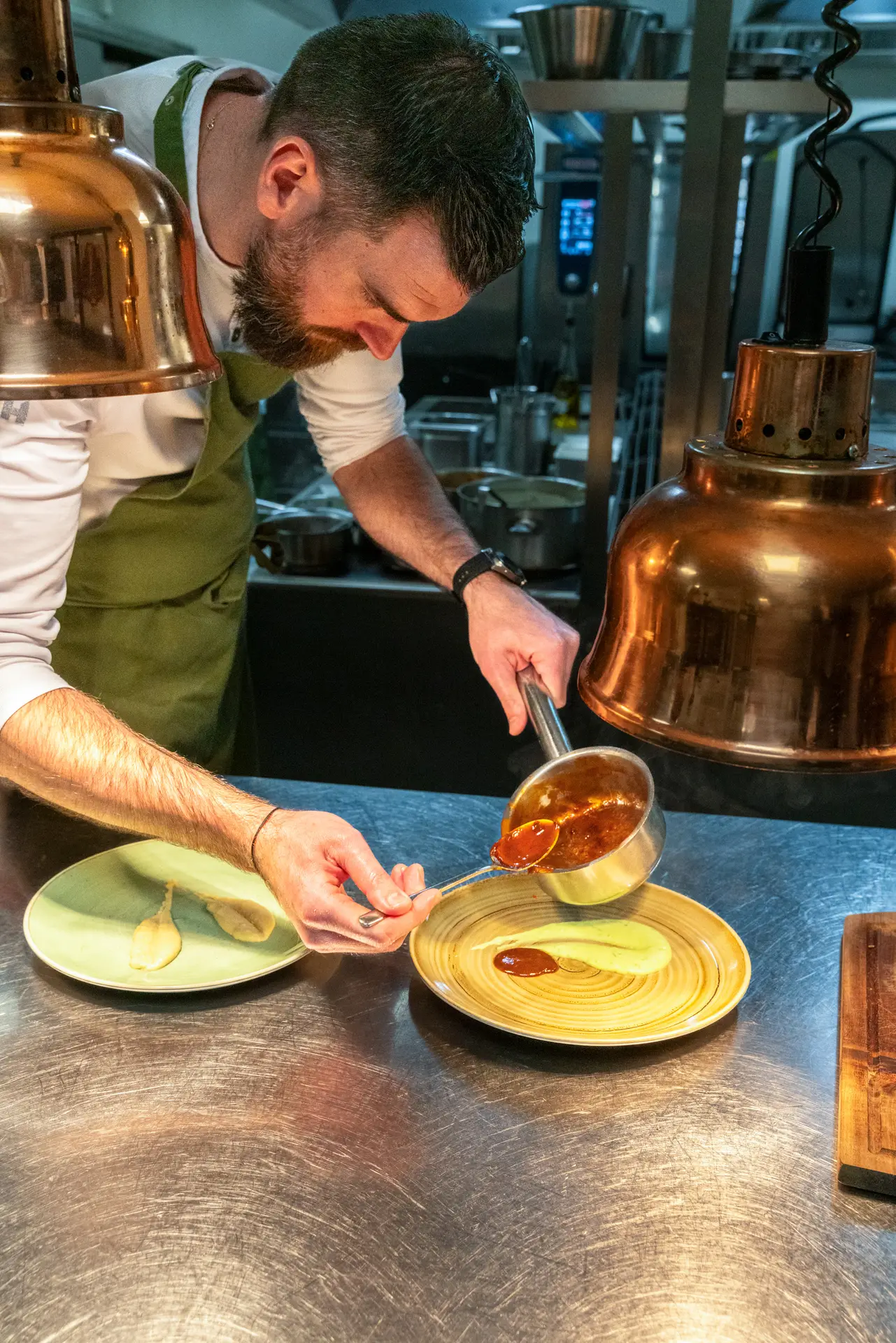
Every dish, every ingredient, every texture can tell a story. Whether it’s the story of a chef, an ancestral recipe, or a specific ingredient, a good culinary photo should convey this narrative depth to the viewer. The image then becomes a moment of shared emotion, offering much more than a simple overview of a dish.

Sublimating a culinary image

Professional food photographers master a series of specific techniques, both technical and artistic, to achieve images that are both mouth-watering and aesthetically perfect. Here are the essential elements of this know-how.

Light: the cornerstone of food photography

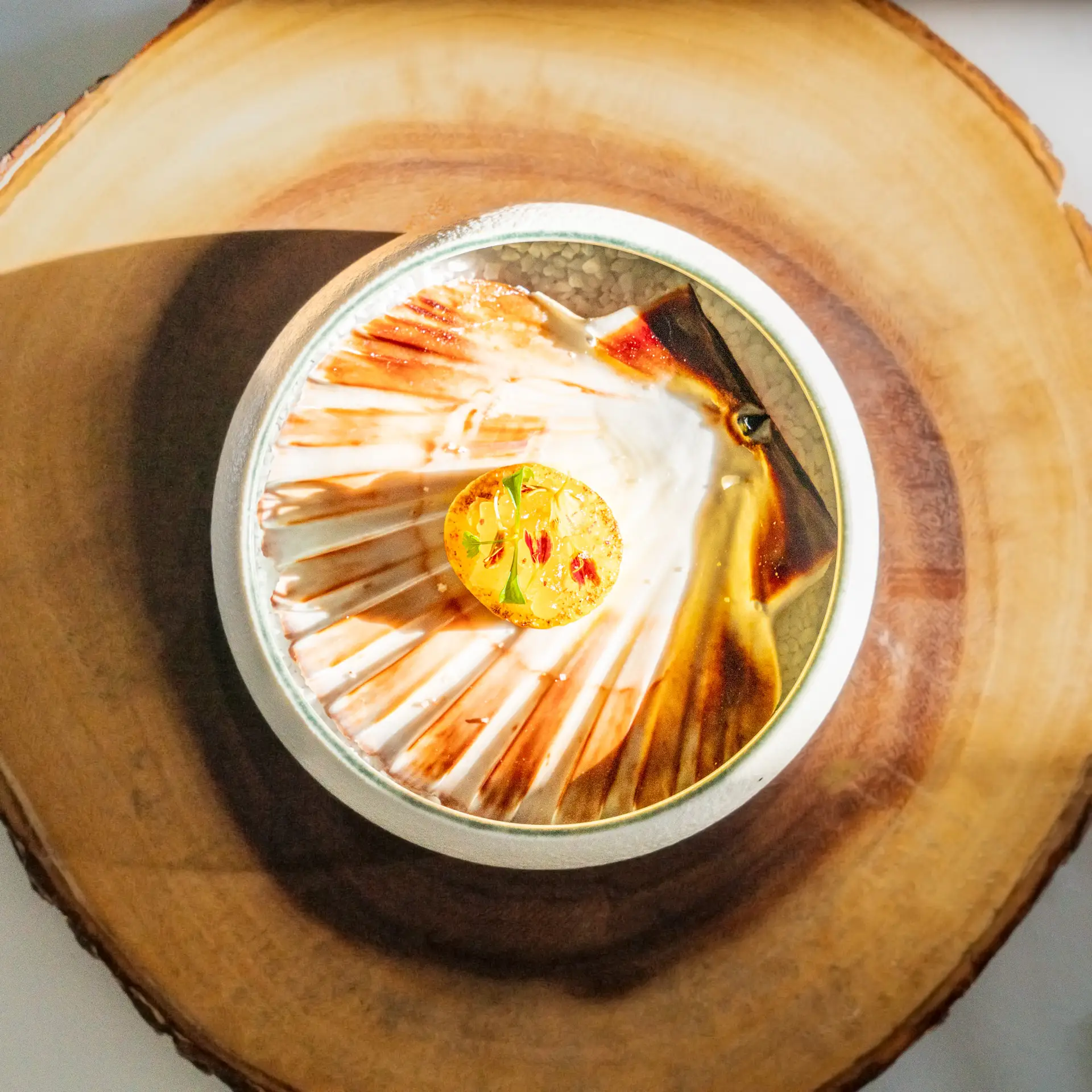
Light is the key element in bringing a dish to life. It reveals textures, enhances colors and directs the eye to the key elements of the dish.

  • Natural light: Renowned for its softness, natural light is ideal for photos that seek to be realistic and warm. Times of day like the golden hour (just after sunrise or before sunset) create soft, golden atmospheres.
  • Artificial lighting: For precise results and maximum control, artificial lighting is often preferred in the studio. Directed lights create sharp contrasts, highlighting details and textures.

A good food photographer also knows how to use reflectors or diffusers to manipulate the light, softening or accentuating certain areas according to the desired effect.

Composition: a harmonious construction to enhance the dish

Composition is the art of structuring an image to captivate the viewer while highlighting the main subject. In food photography, there are several rules of composition that help create balanced, dynamic images.

  • Rule of thirds: Placing the subject along the lines of thirds creates a more visually pleasing image, naturally guiding the eye towards the flat.
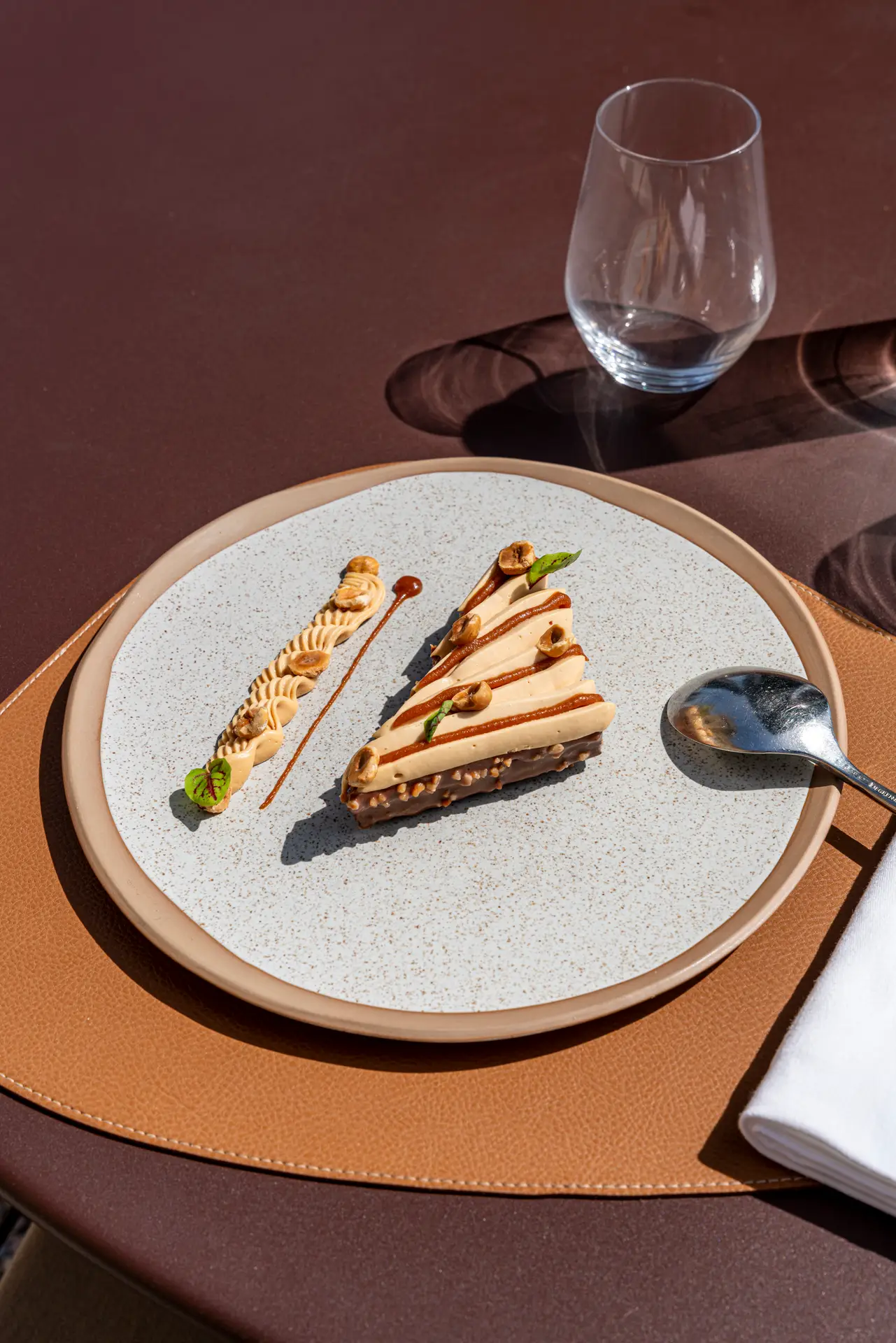
  • Guidelines: Items such as cutlery, napkins or utensils can be placed to direct the eye towards the plate.
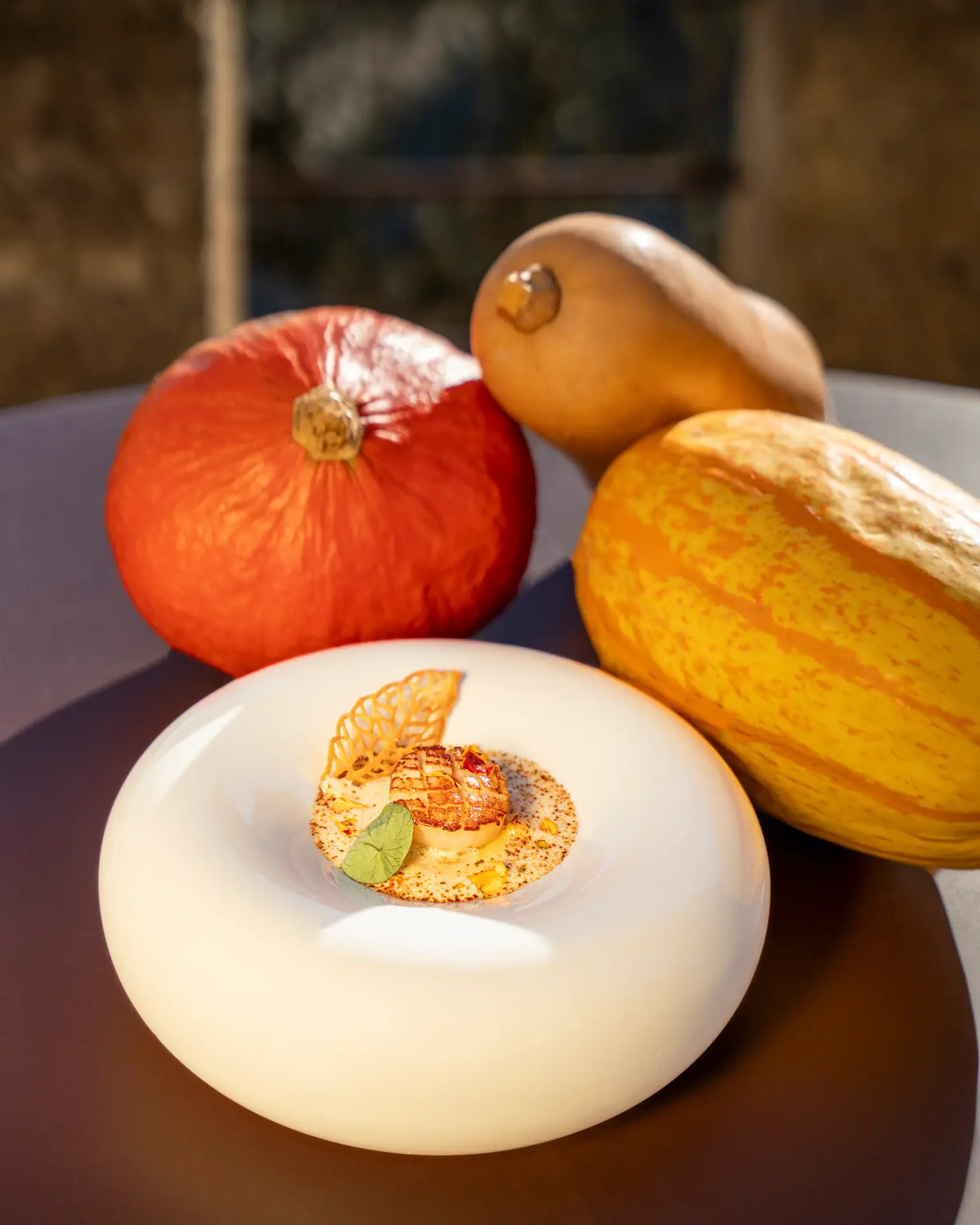
  • Depth of field: By using a shallow depth of field, you can blur the background and focus attention on the dish, adding relief and dynamism.

Color and style: play with nuances to whet the appetite

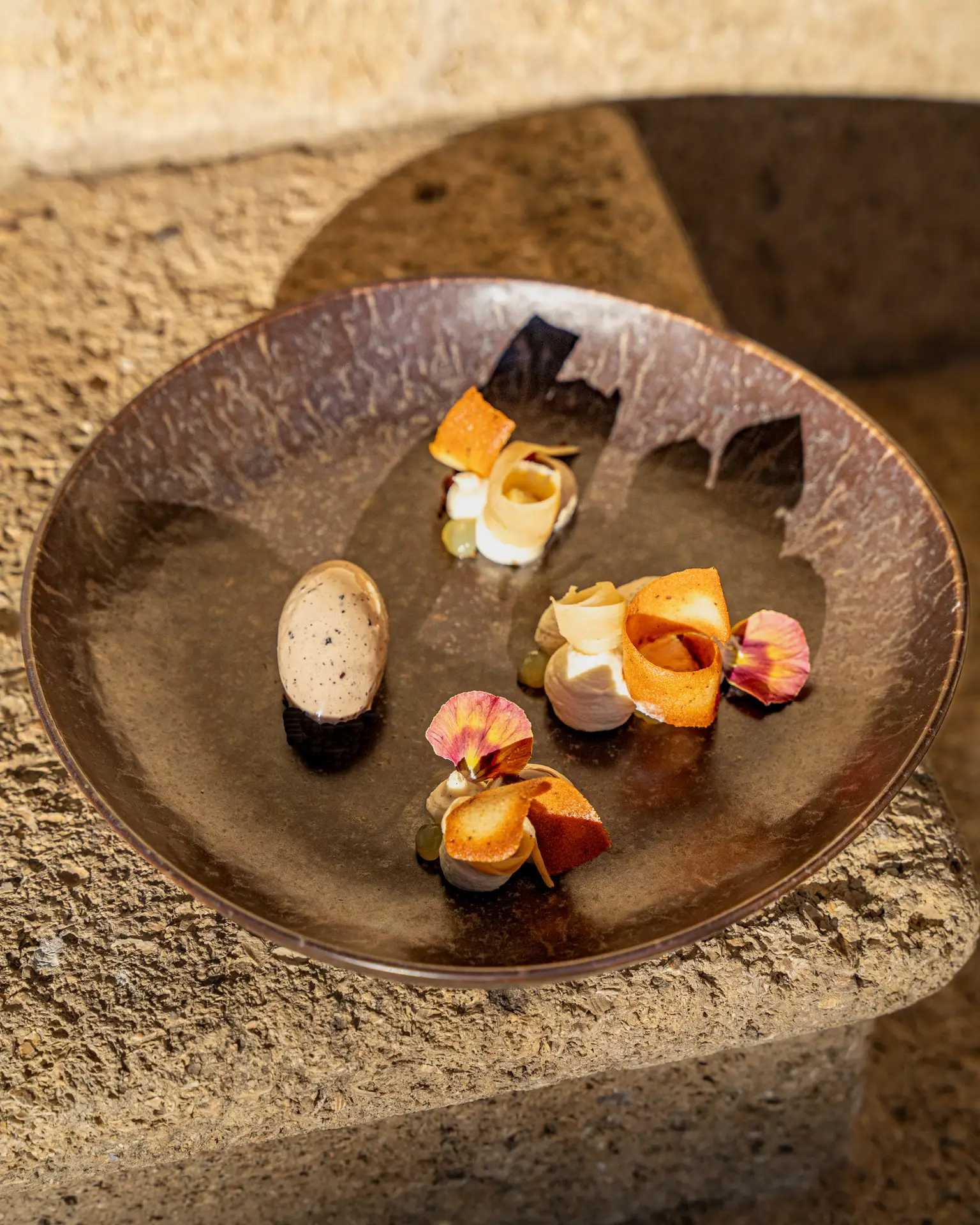
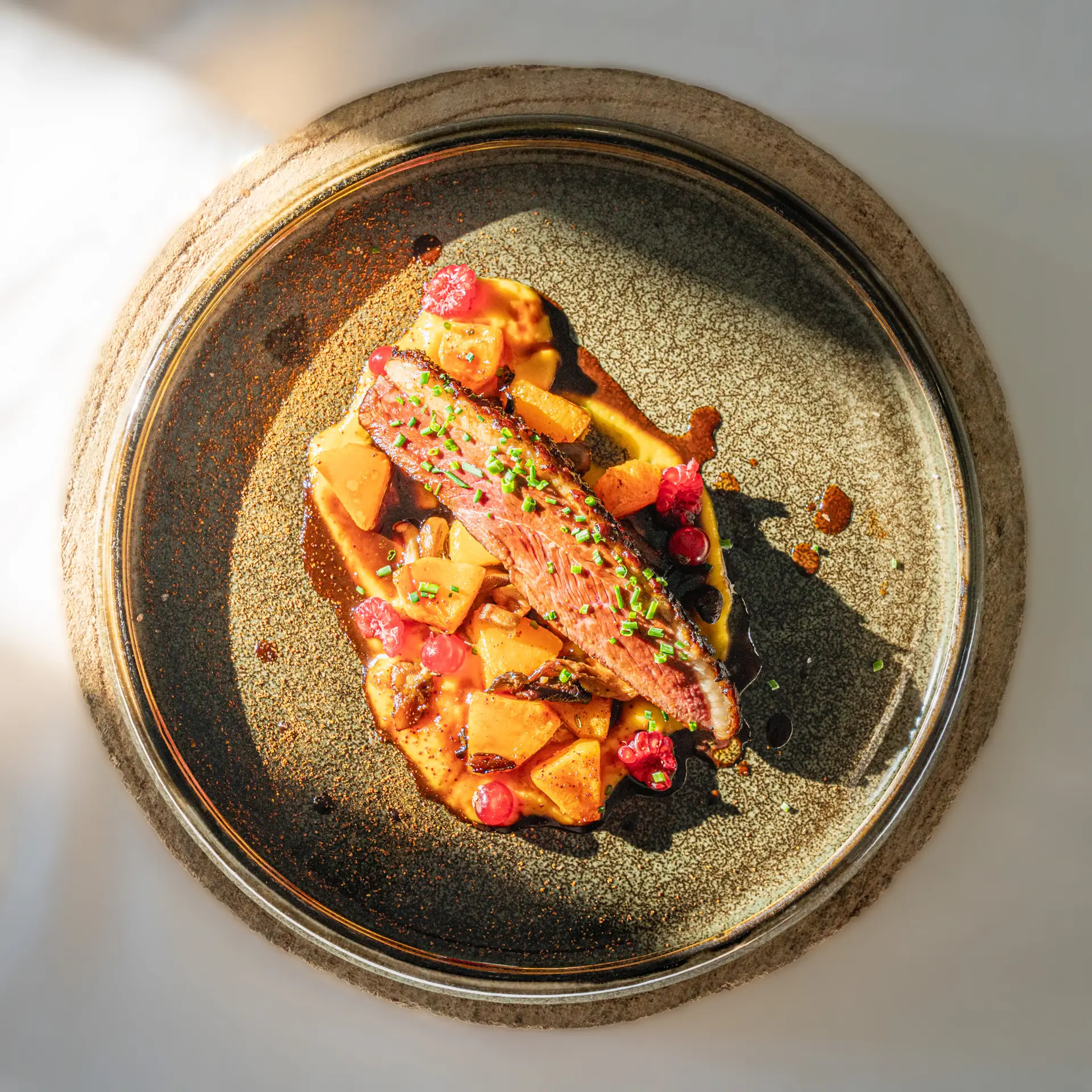
Colors in food photography are never chosen at random: they play a vital role in evoking appetite. Warm hues such as red or yellow are often associated with positive emotions, while more neutral, natural colors give an authentic, healthy appearance.

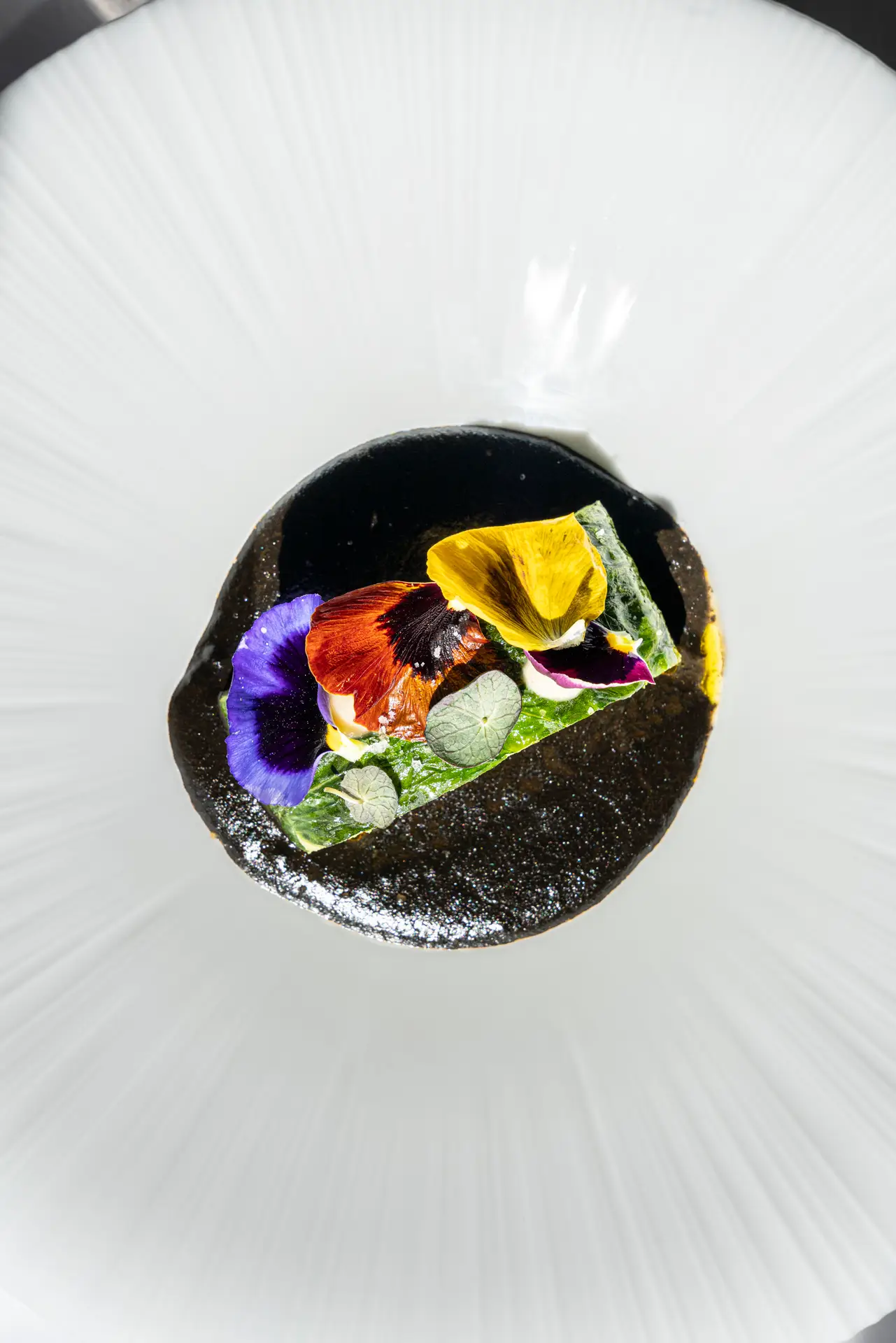
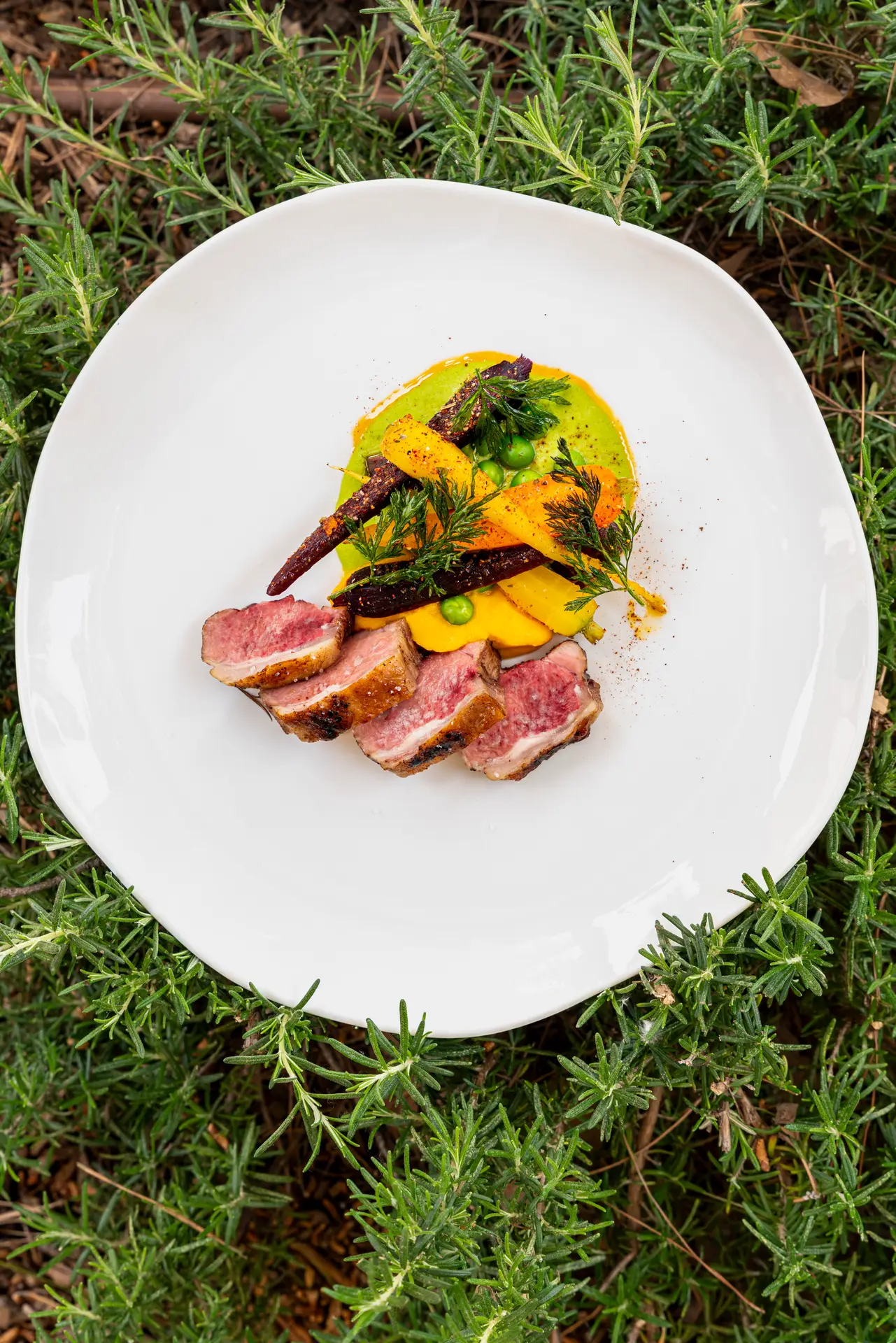
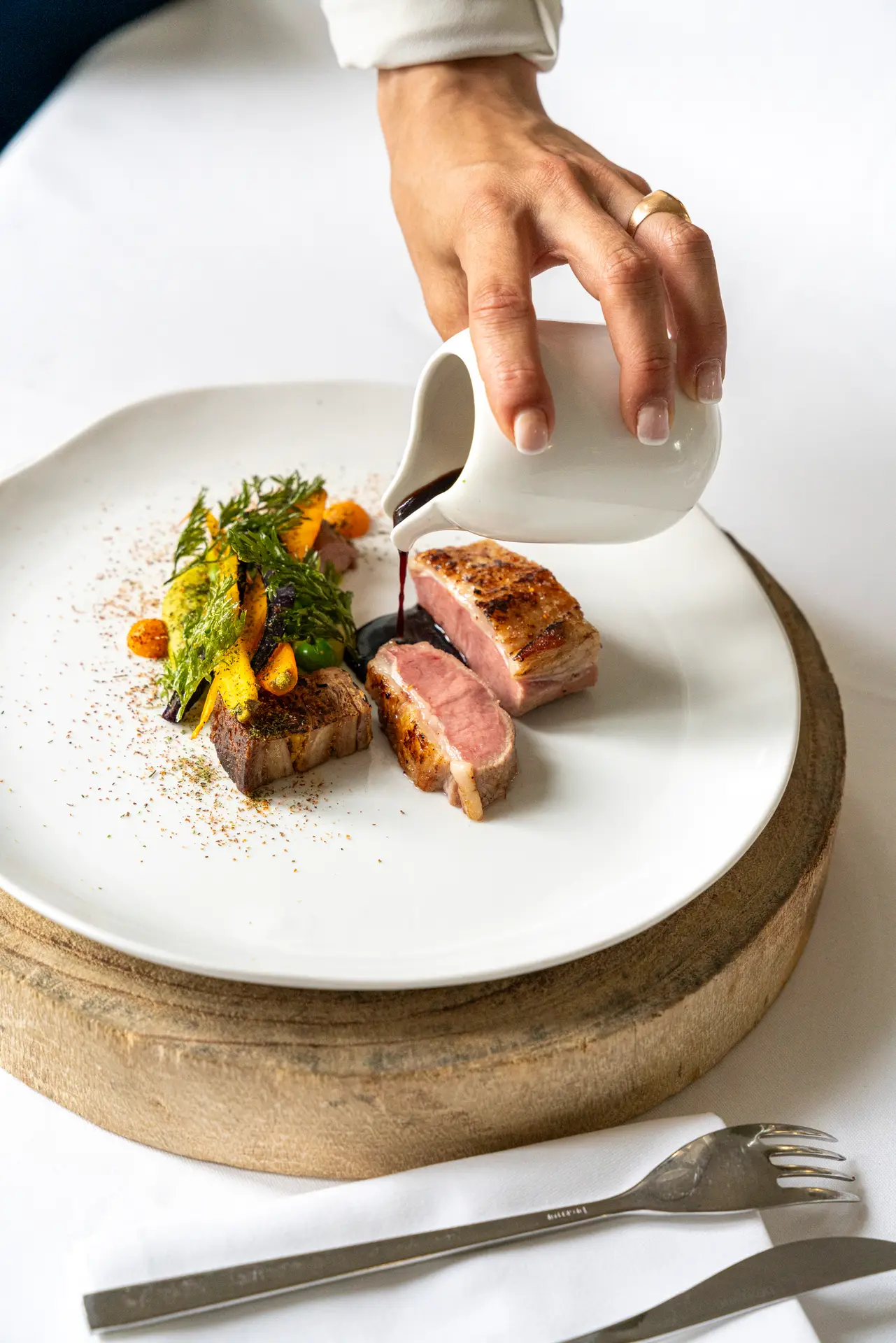
  • Color contrast: Combining complementary colors (for example, the green of fresh grass on a brown, grilled dish) makes the image vibrant and attractive.
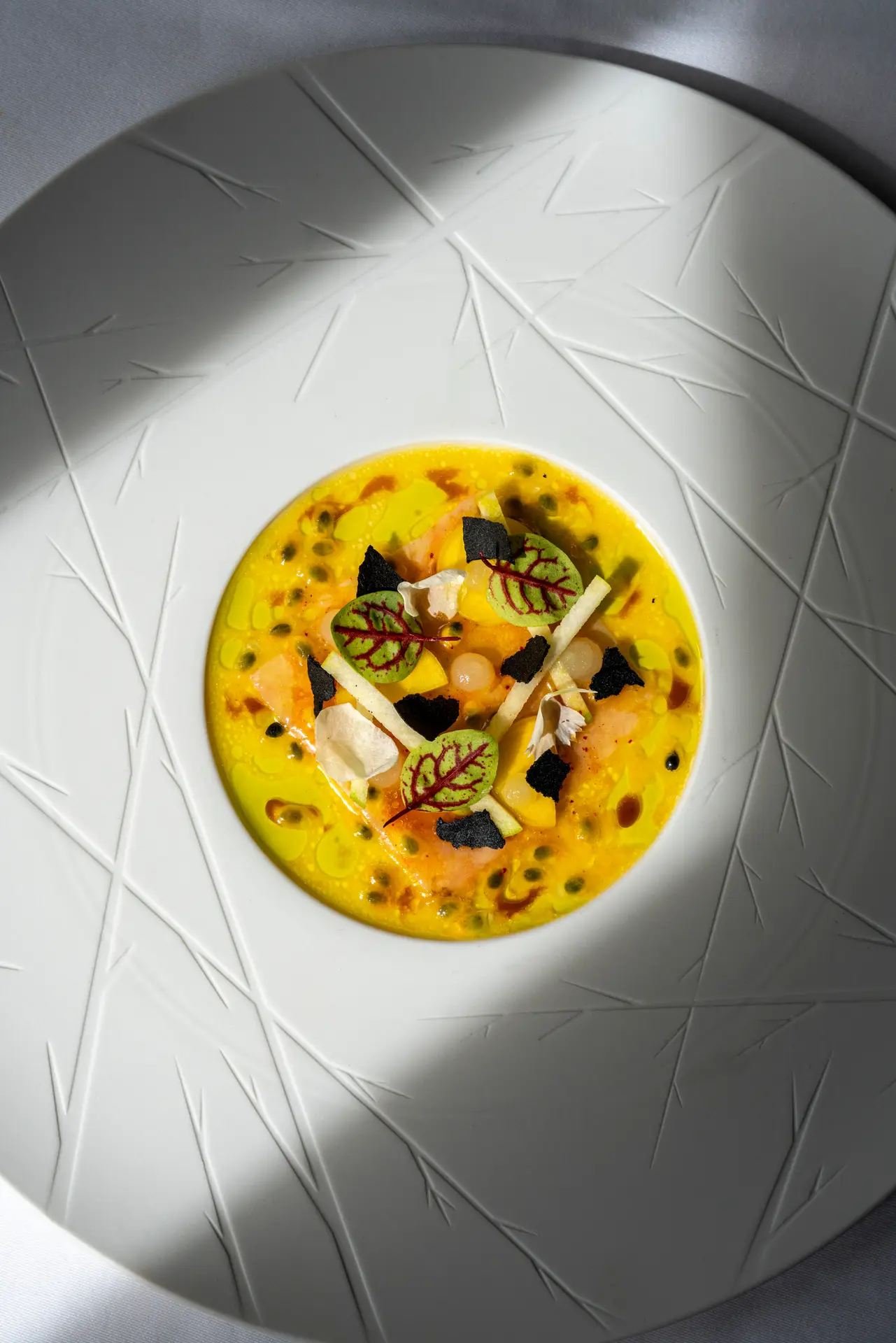
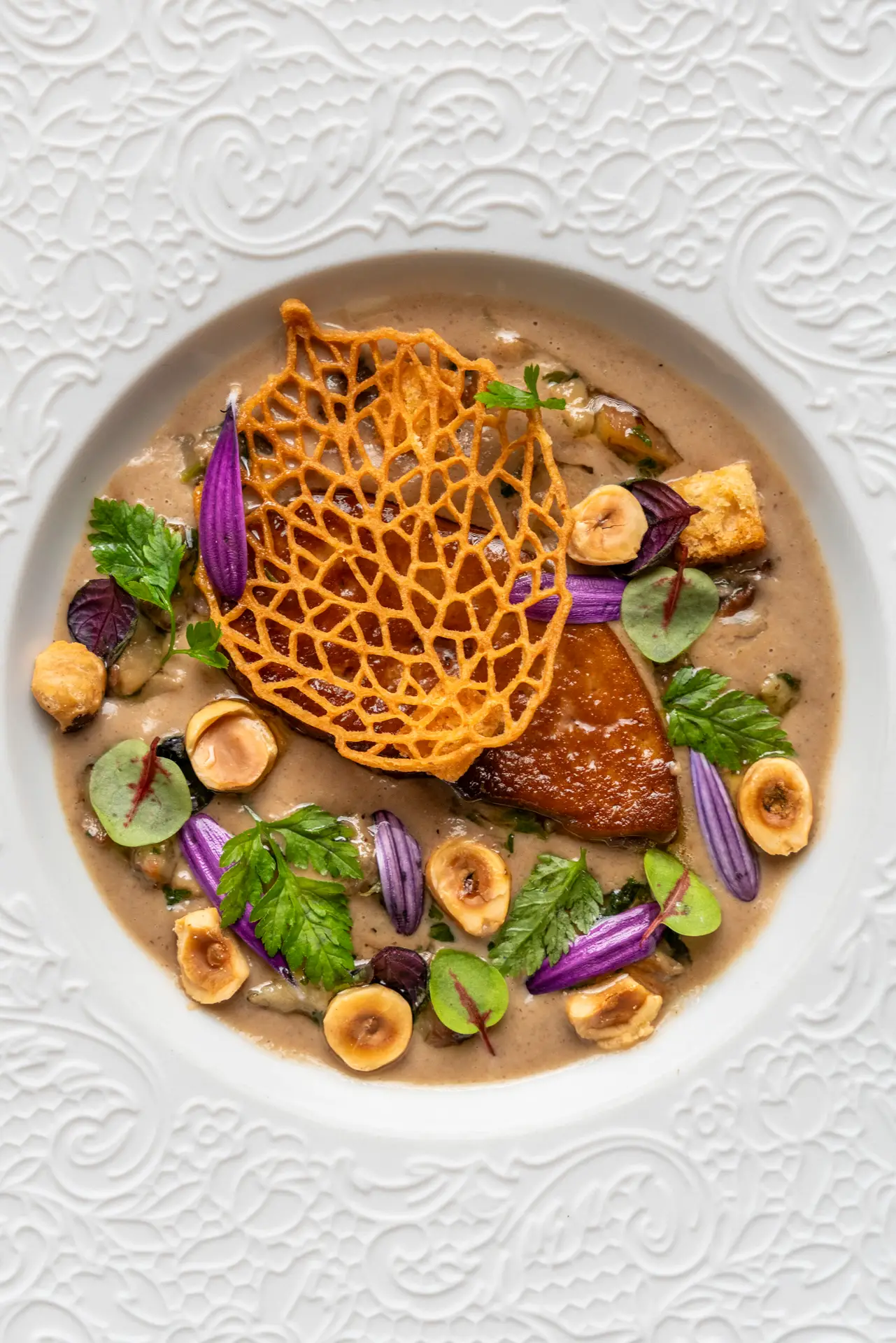
  • Various styles: The choice of style depends on the identity you wish to give to your image. A minimalist, uncluttered style suits high-end dishes, while a rustic style will highlight the simplicity and warmth of a “home” kitchen.

The secrets of successful staging

Staging is a fundamental aspect of food photography. It creates atmosphere, adds depth and gives the image a real identity.

Accessories and decor

Accessories, such as plates, cutlery and tablecloths, are not mere additions: they are an integral part of the image. They must be carefully selected so as not to distract the eye from the main course.

  • Elegance and sobriety: Avoid overly colorful or busy accessories to avoid distracting attention. A white plate or neutral background often works well.
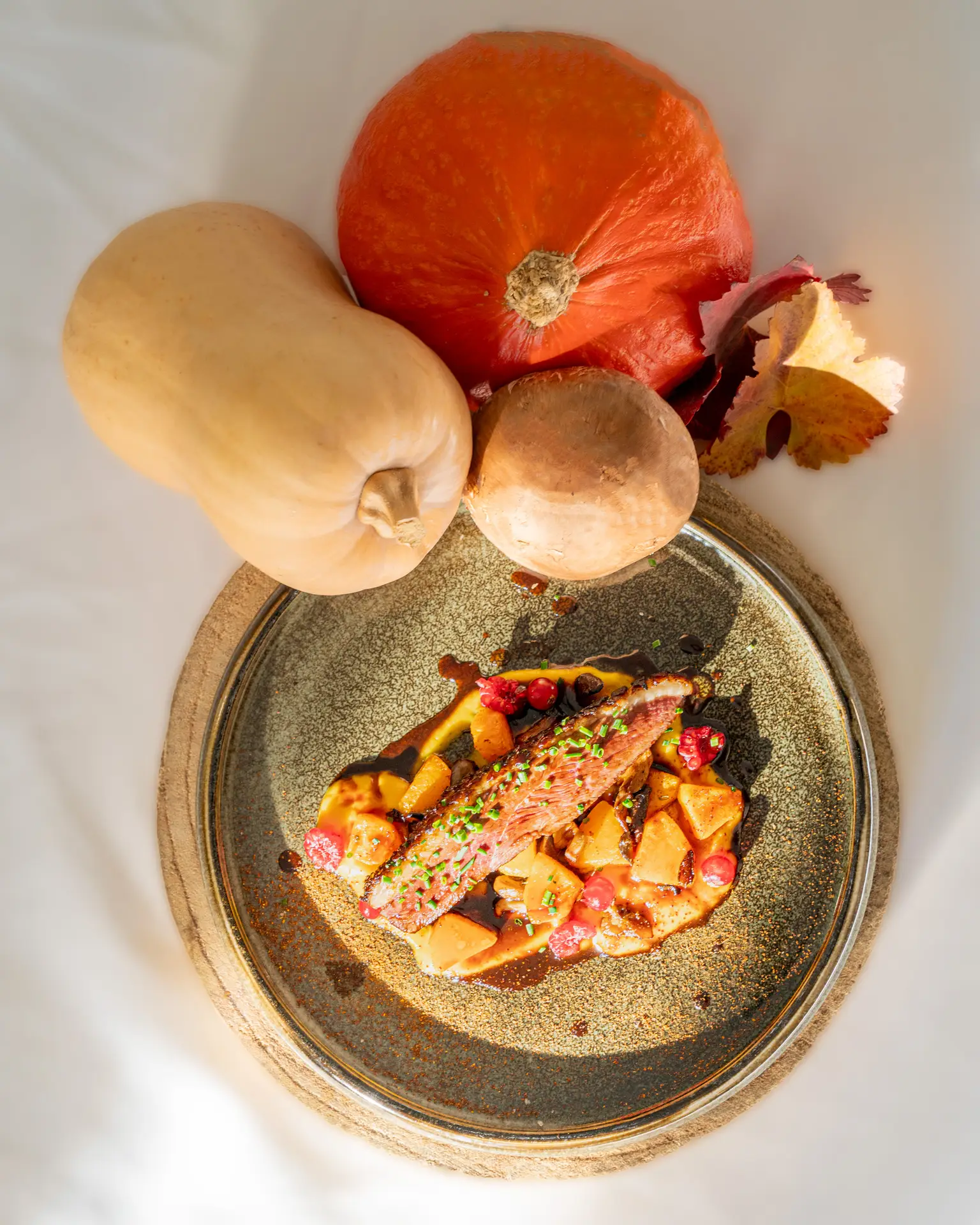
  • Setting the mood: Depending on the message you want to convey, the scene can be filled with seasonal elements (autumn leaves for a fall mood, cherry blossoms for spring).

Textures and contrasts

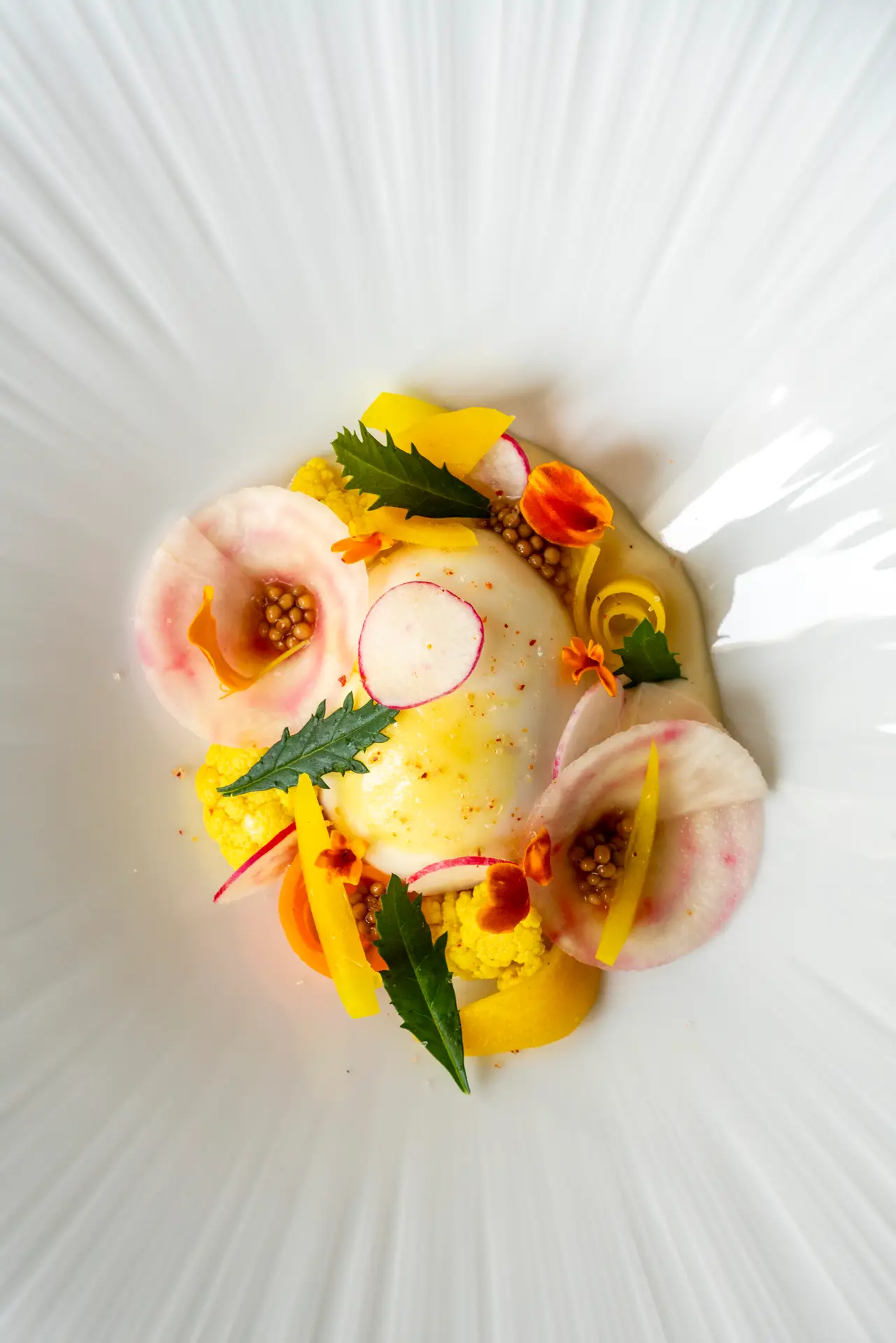
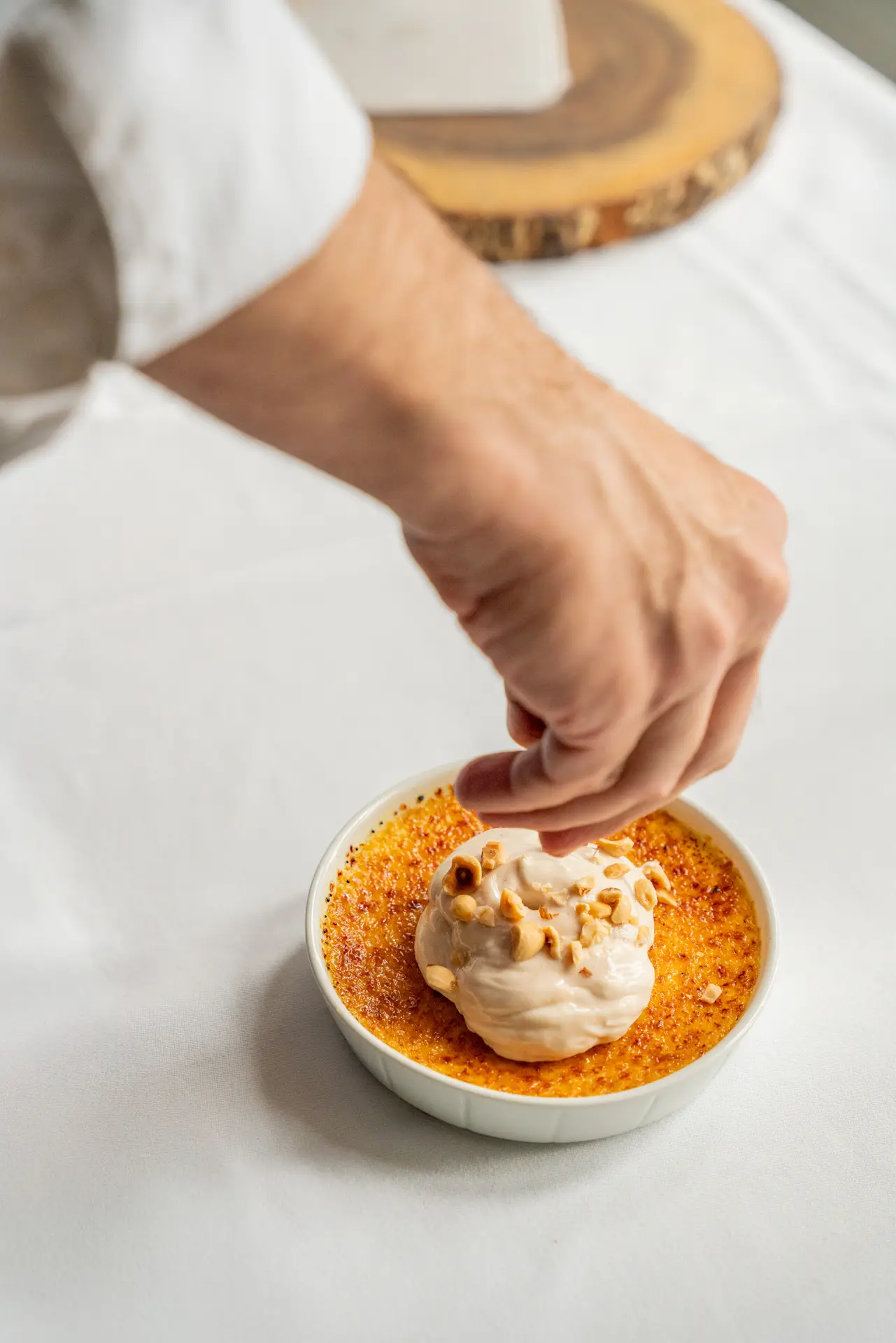
Food photographers often use tricks to enhance the textures of a dish. For example, spraying a little water on vegetables or adding oil to make a dish shiny and appetizing are common techniques.

  • Strong contrasts: contrasting textures such as the crisp crust of a loaf or the smooth surface of a sauce create pleasing visual contrasts.
  • Authentic textures: Accentuating the natural texture of food reinforces the impression of fresh, tasty cooking.

Retouching in food photography

Once the photo has been taken, retouching is a key step in enhancing the final result. The aim is not to transform the dish, but to optimize it to make it even more attractive.

  • Color correction: Enhance hues for a vibrant, natural look.
  • Contrast and luminosity: Play with light and shadow to bring out detail and add depth.
  • Sharpness adjustment: sharpen details such as the grain of a spice or the texture of meat.

Why hire a food photographer?

A professional food photographer brings a unique know-how to bear on the achievement of exceptional results. This specialist knows how to capture the essence of a dish, mastering every technical aspect and sublimating every detail.

Calling on a culinary photographer means making a lasting investment in your brand image. By choosing an experienced photographer, you benefit from expertise that transforms a simple image into a powerful visual invitation.

Culinary photography is much more than a technical exercise: it’s a visual celebration of gastronomy and an instant seduction for the eyes. In a world where images have undeniable power, this art form is essential for chefs, restaurants and food brands.

Through the lens, food becomes a universal language, capable of arousing emotion and capturing the eye in an instant. Good food photography inspires, challenges and, above all, invites you to taste.