Architectural photographer

Architecture

Geometry, perspective and style

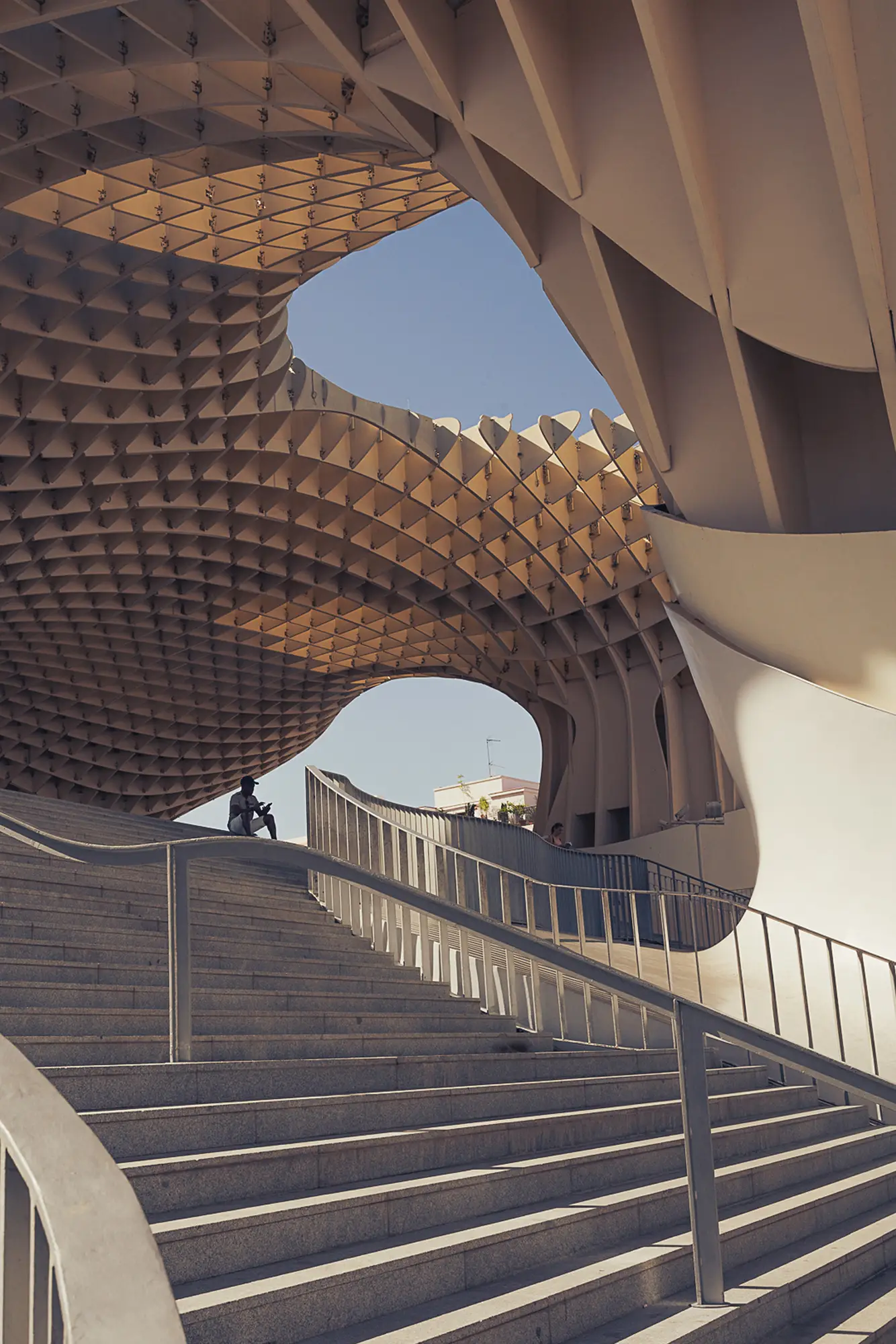
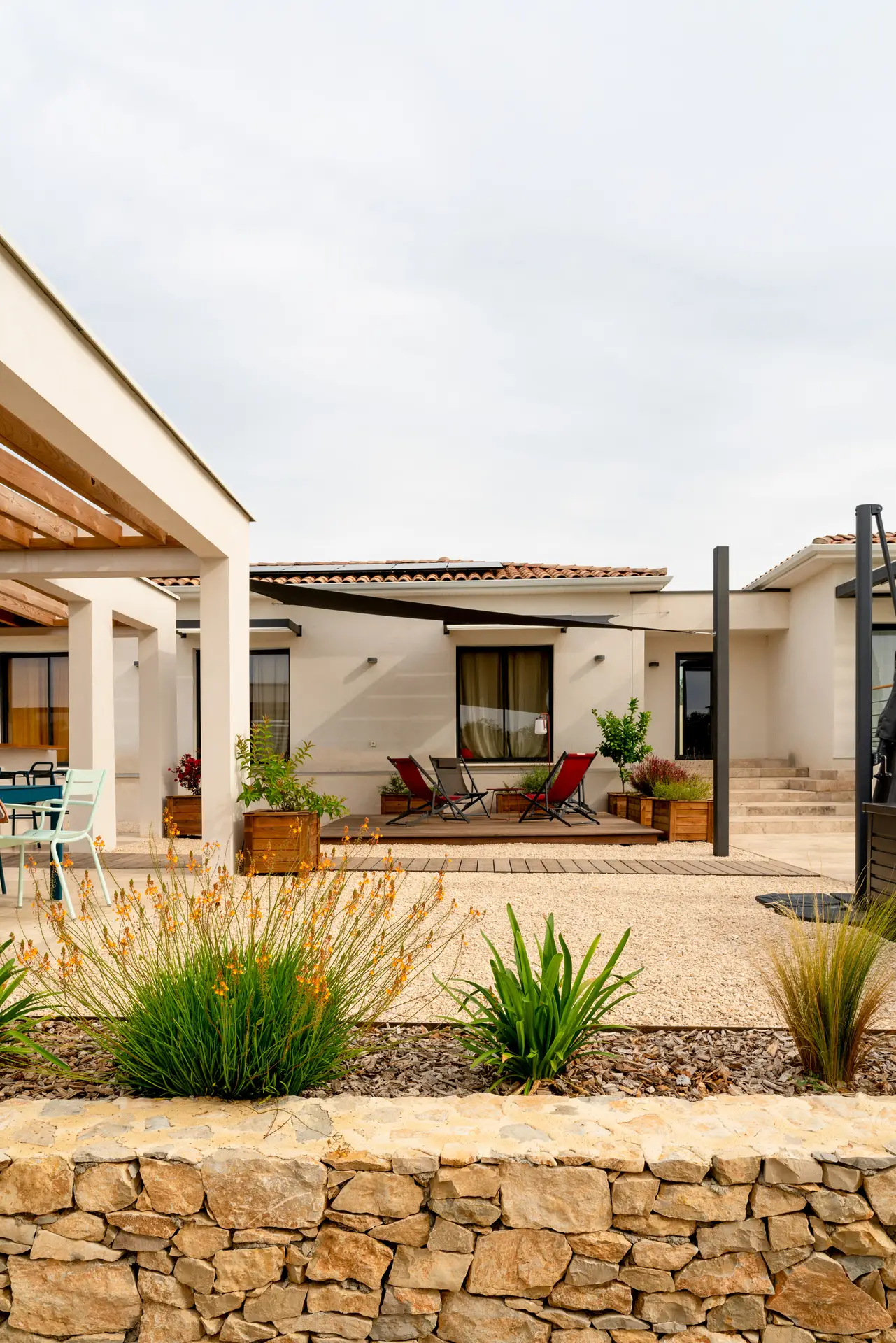
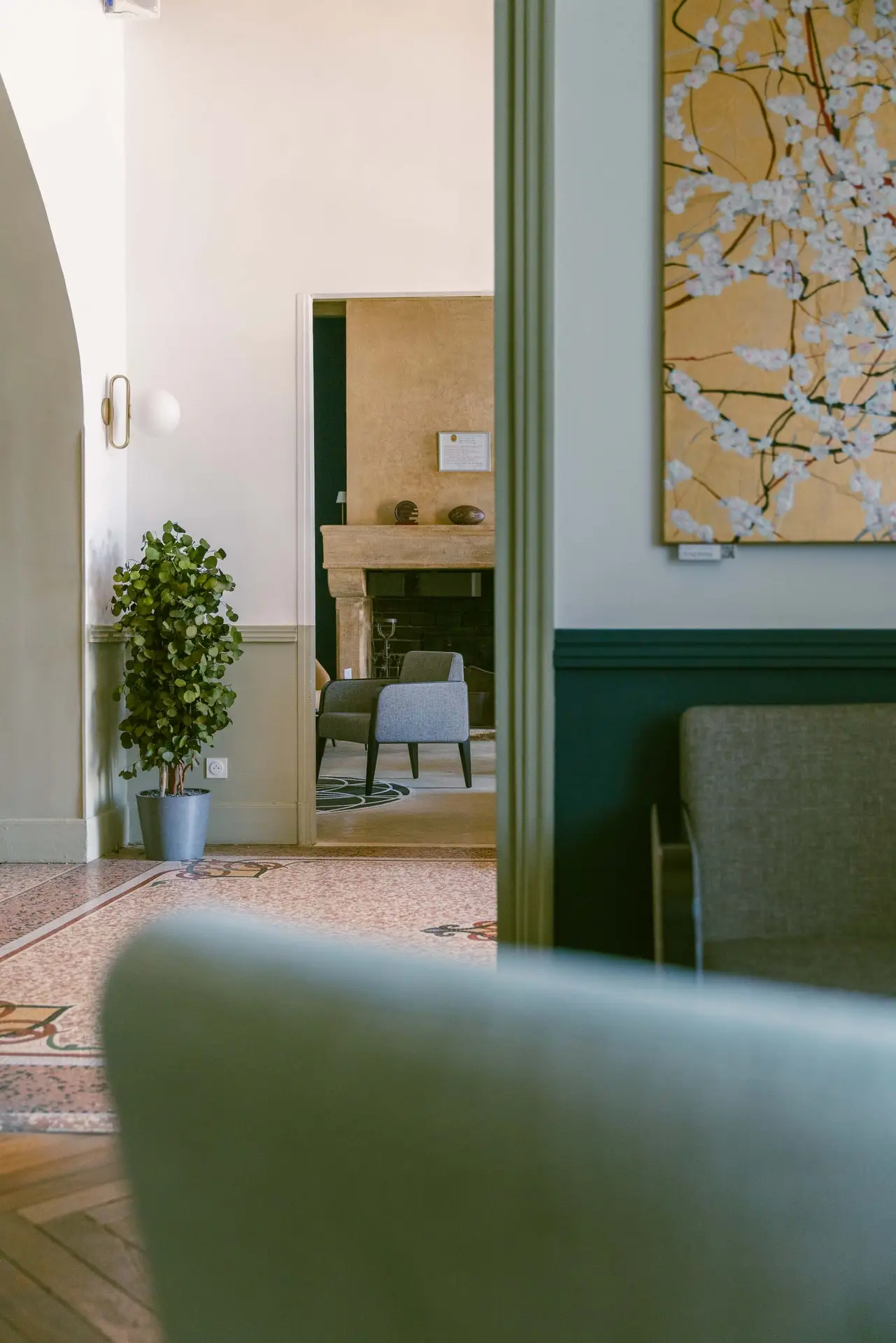
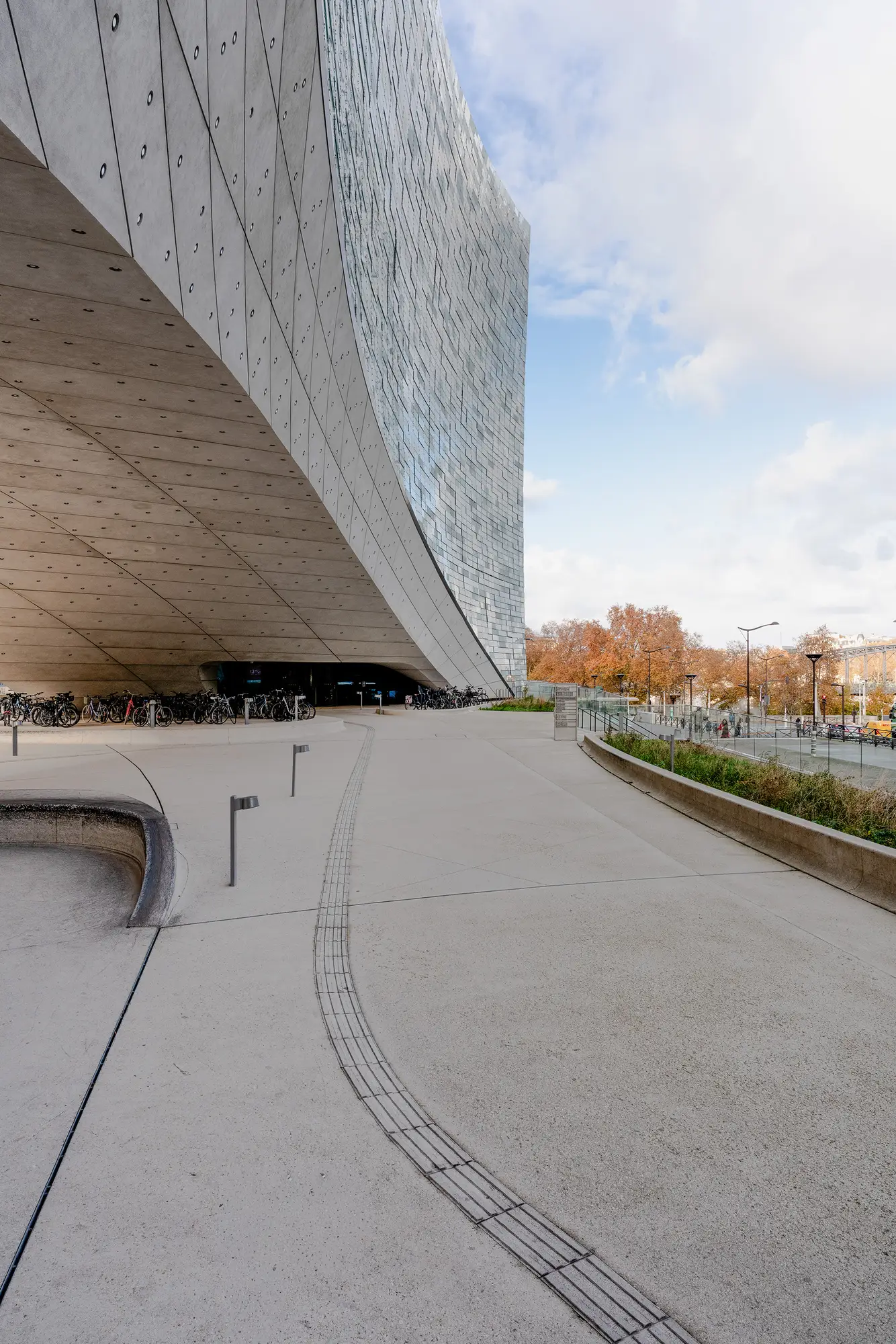
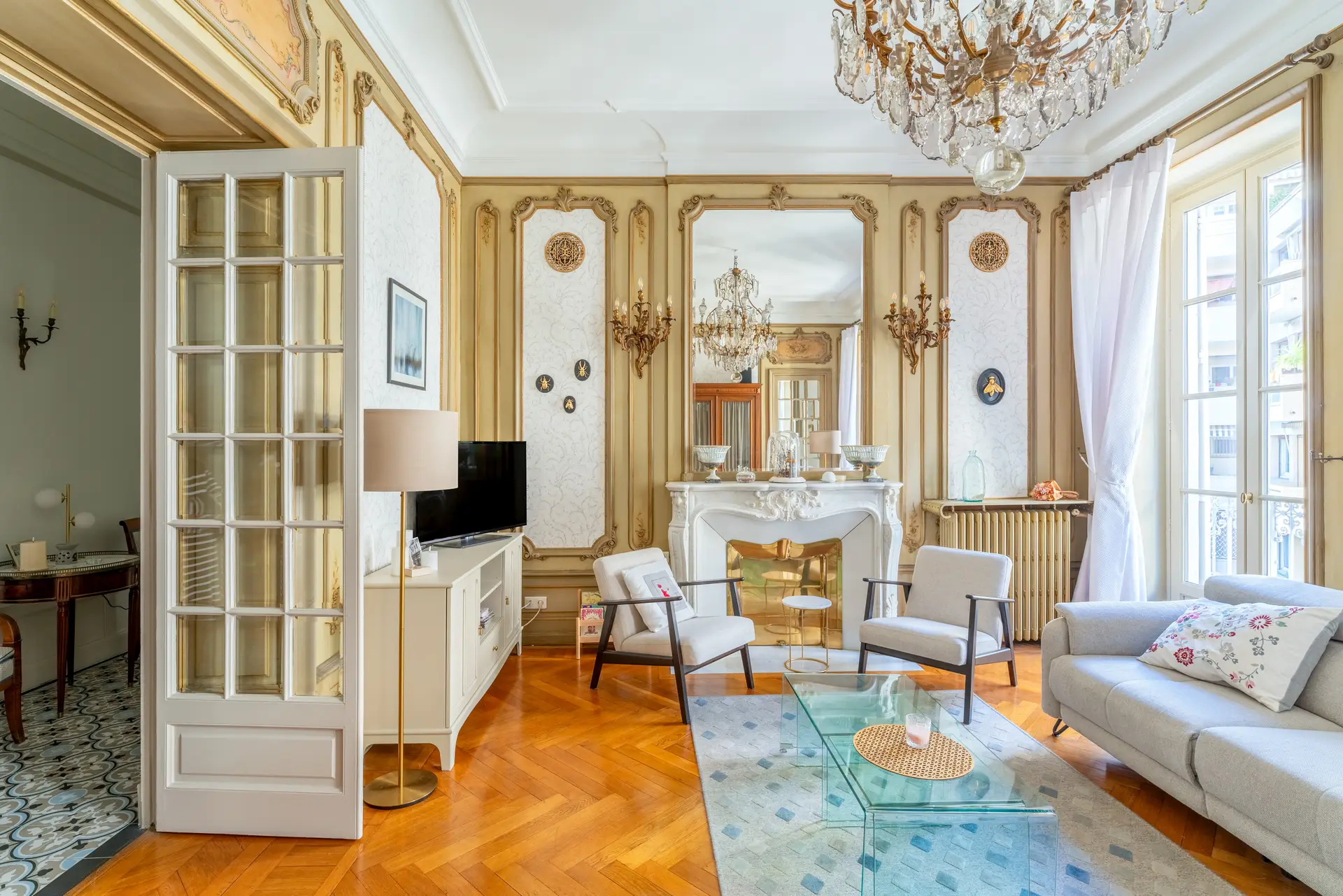
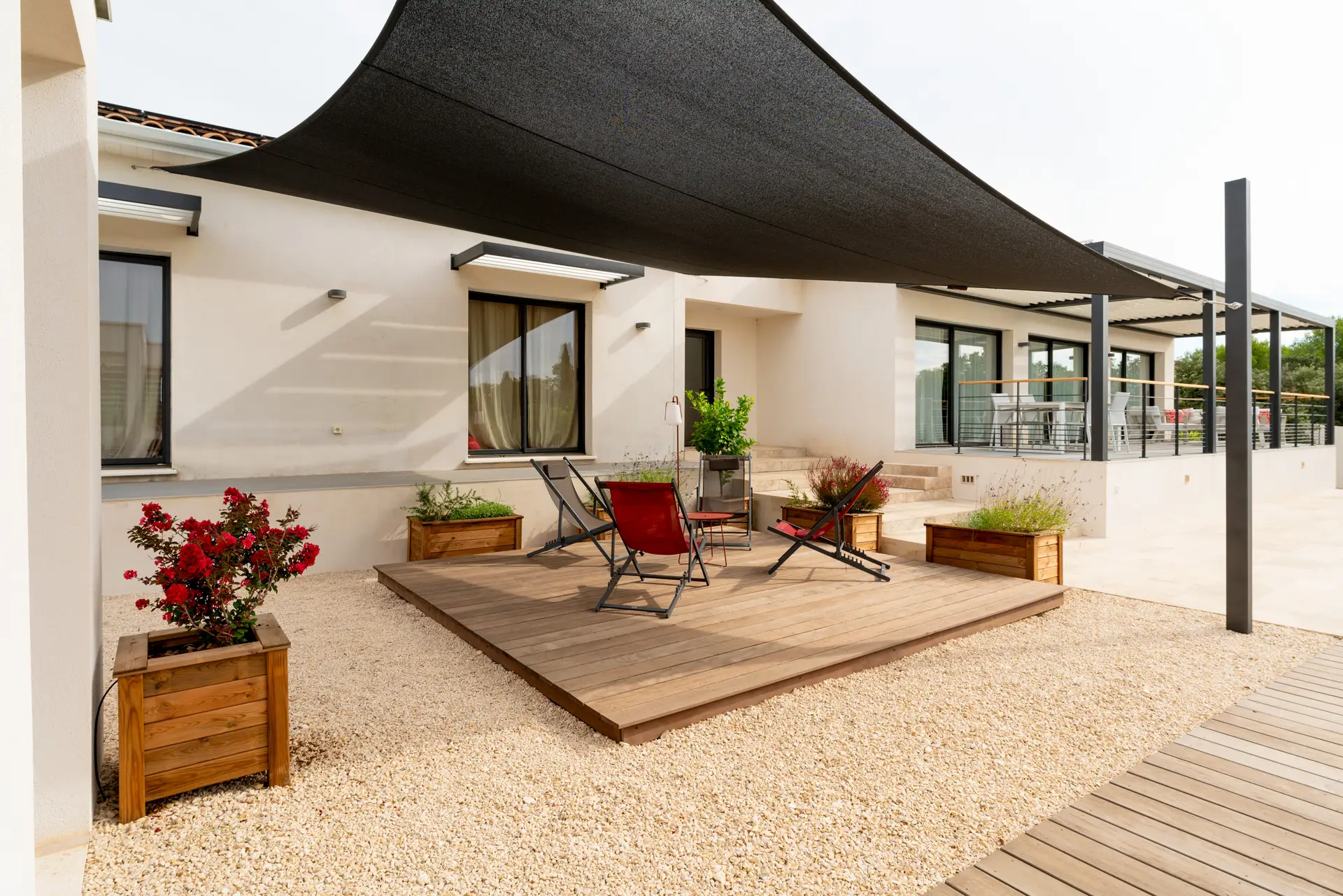
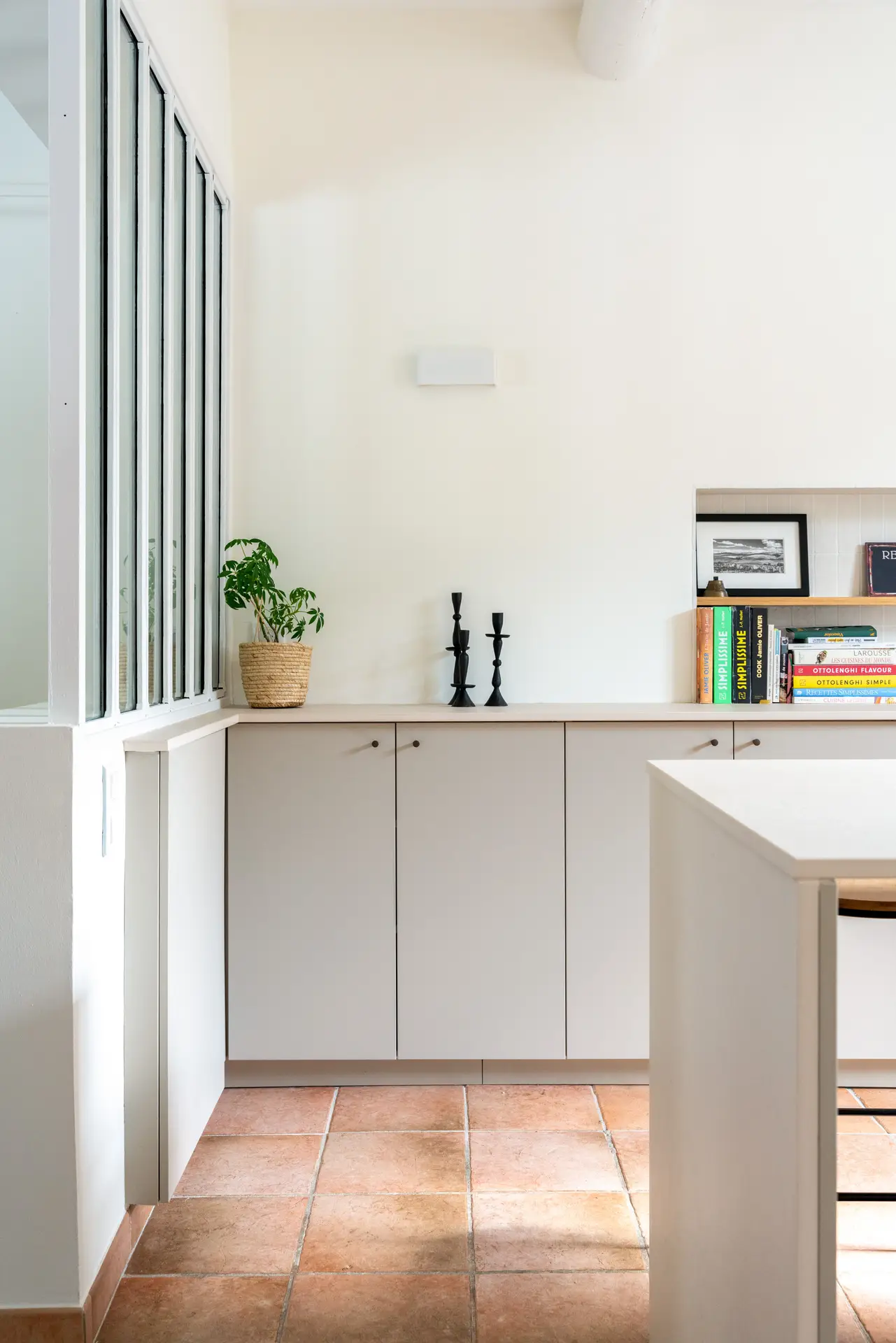
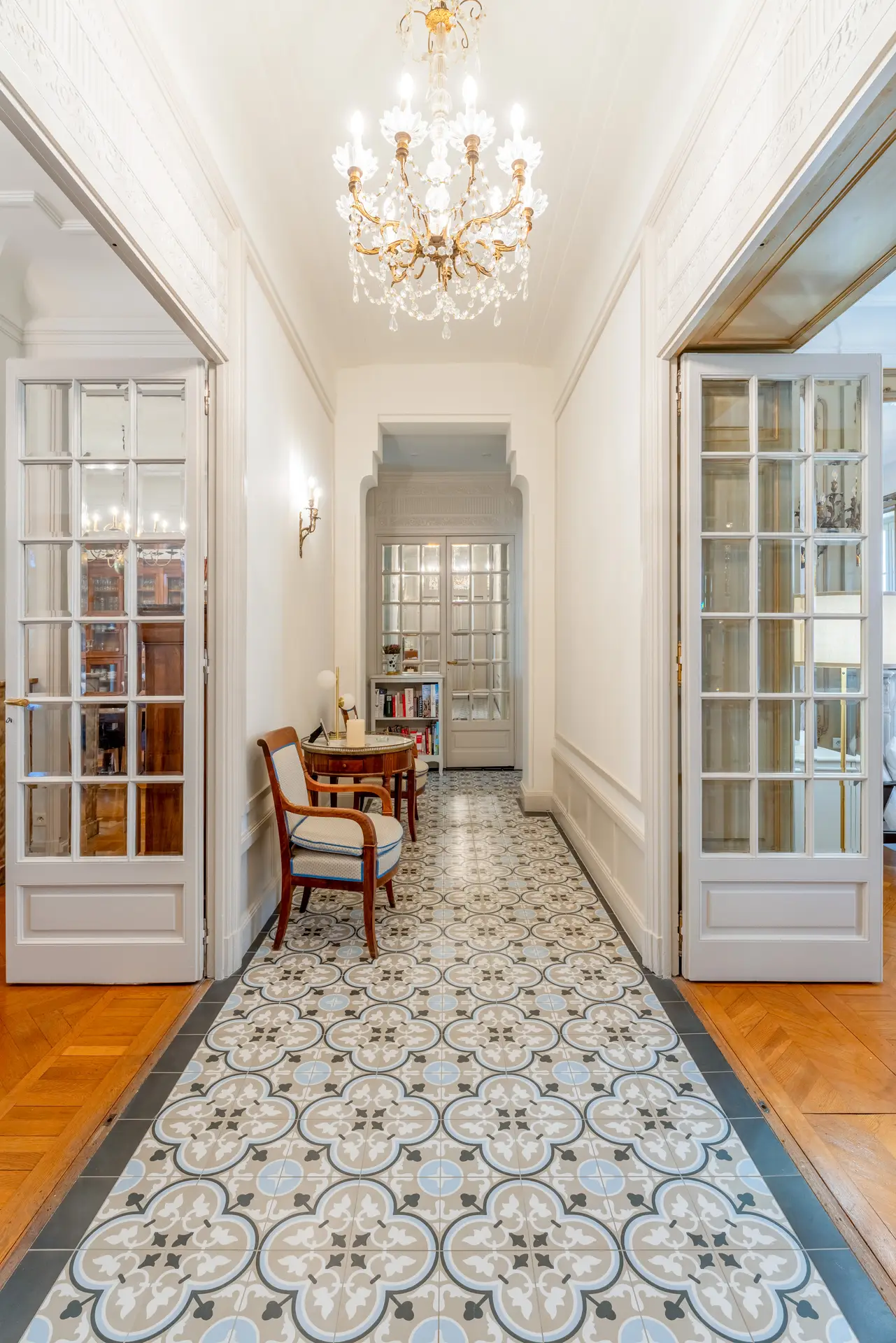
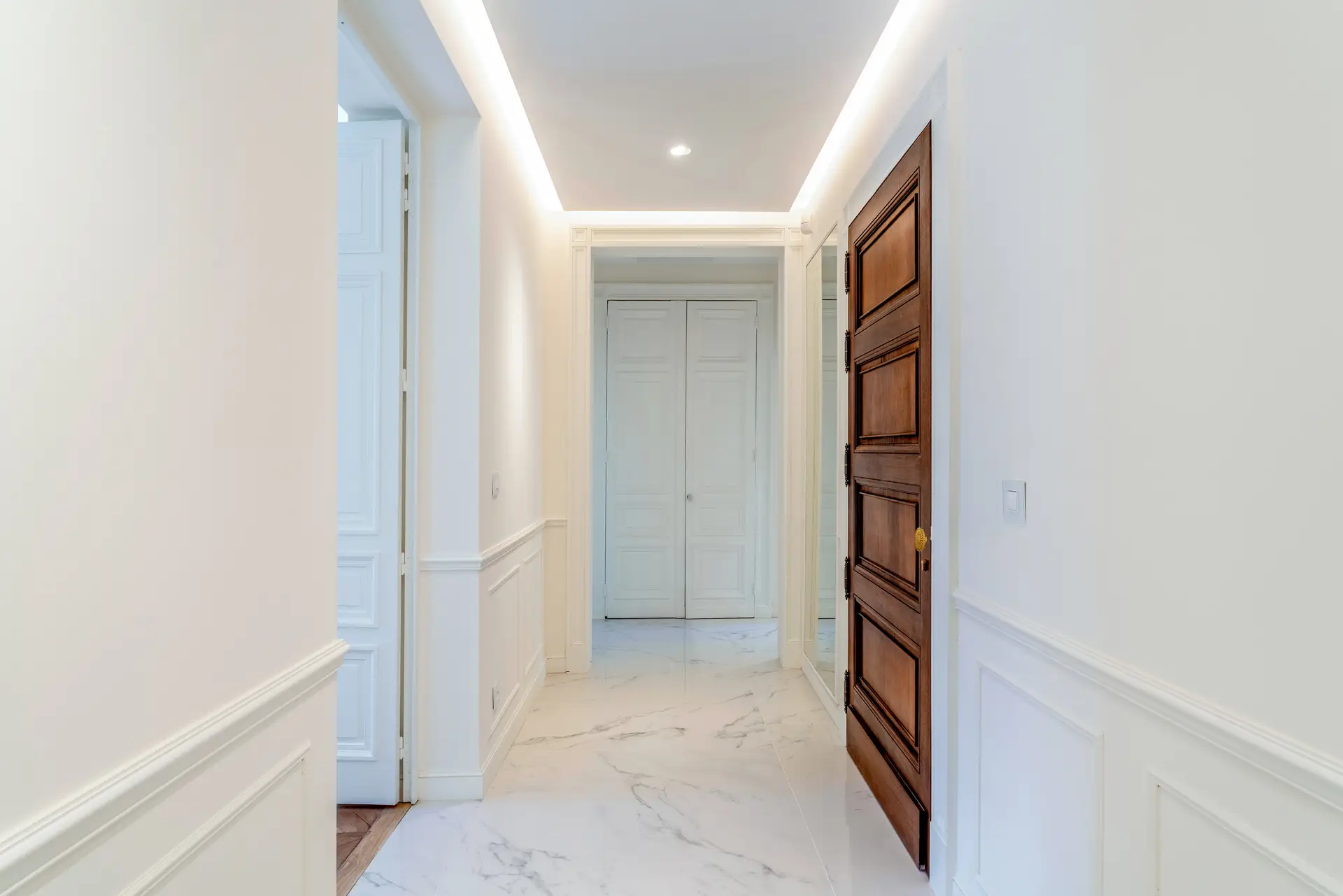
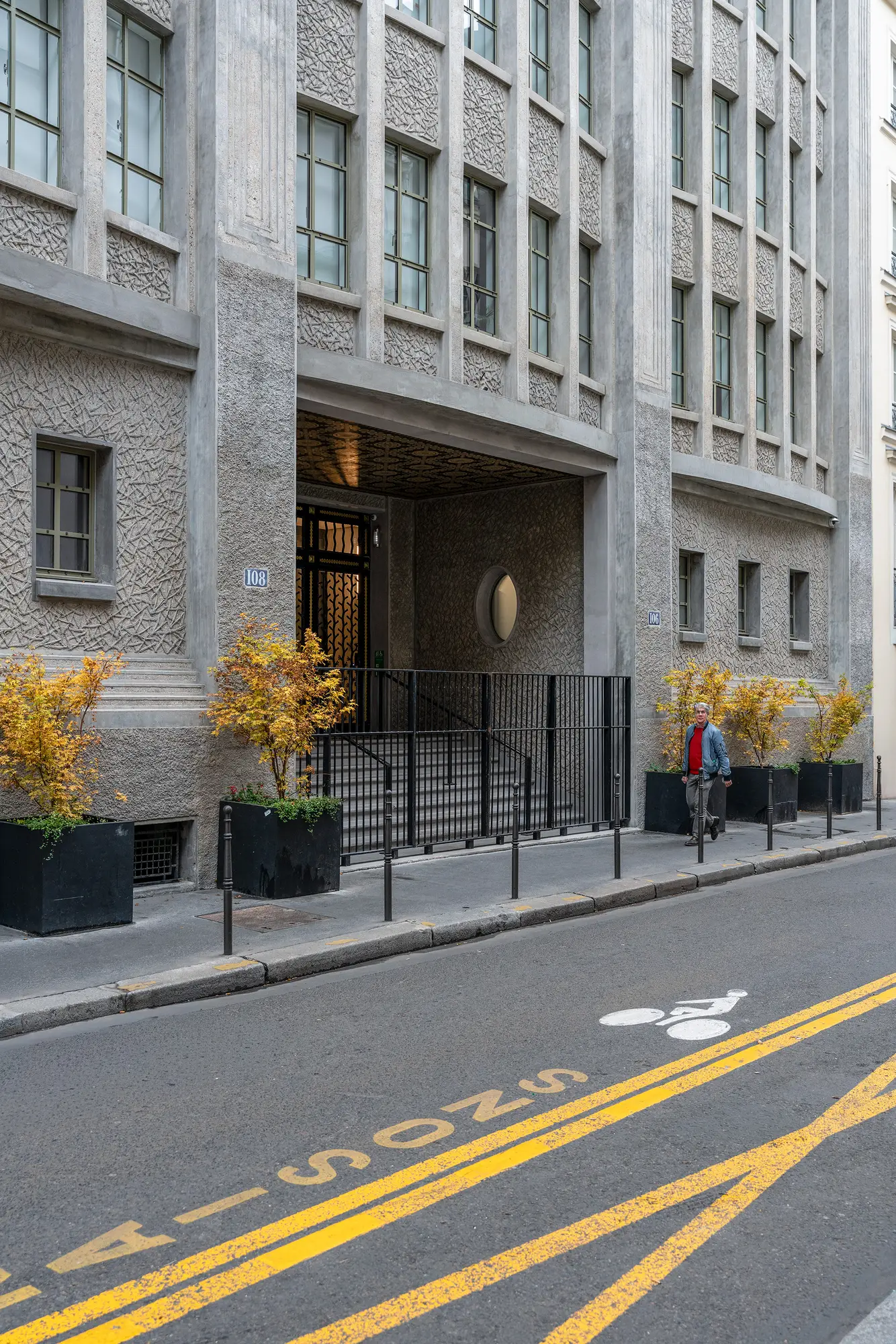
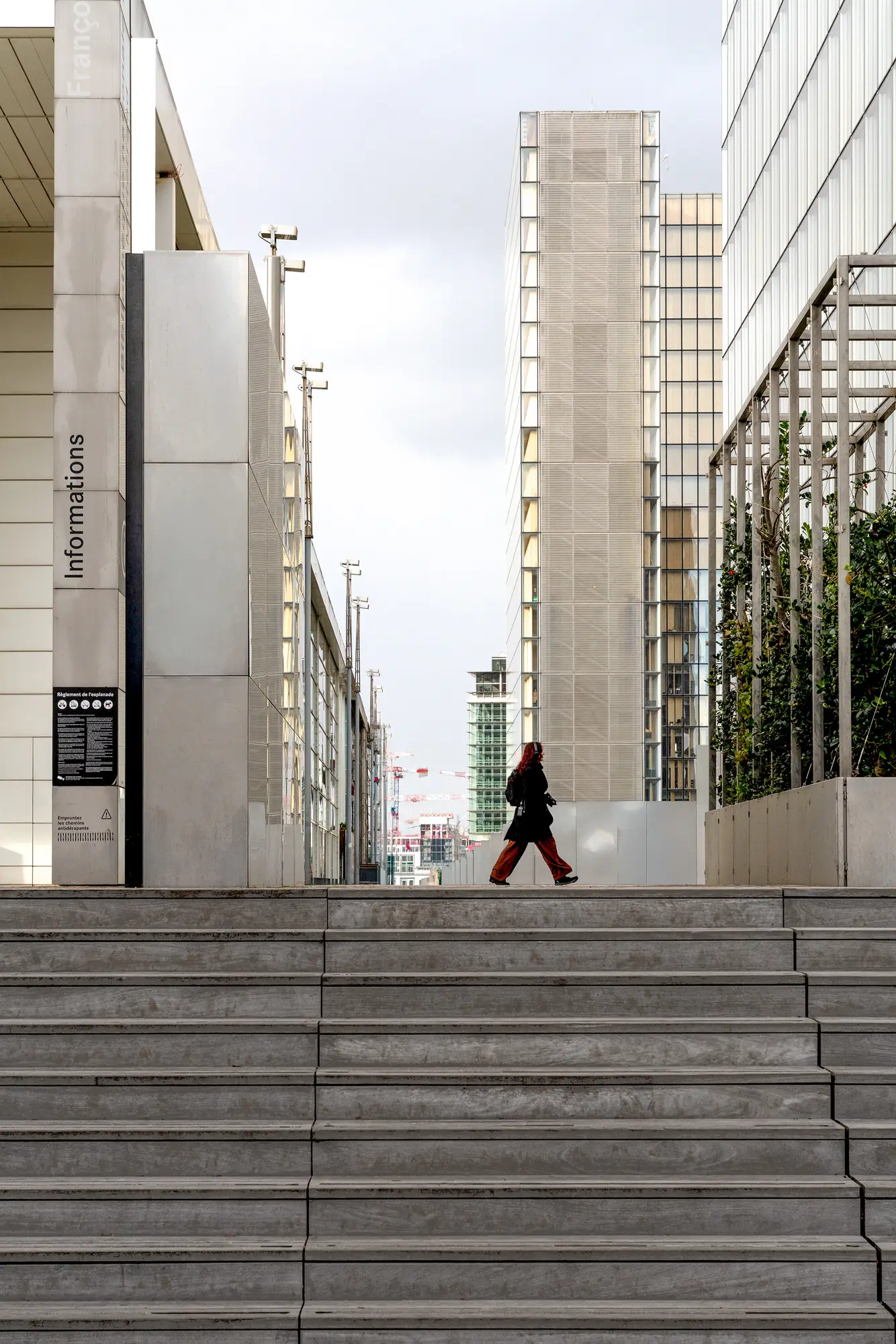
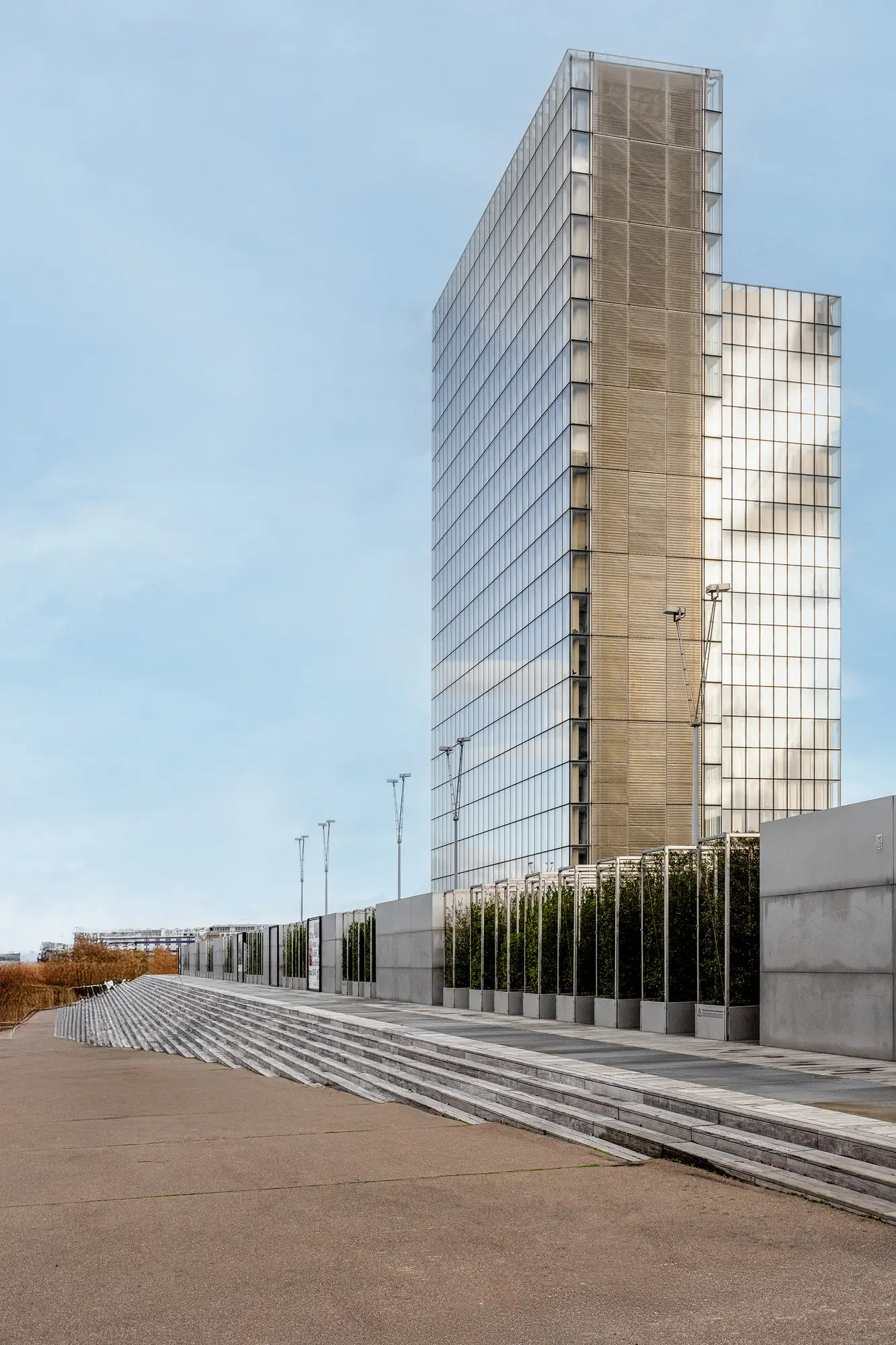
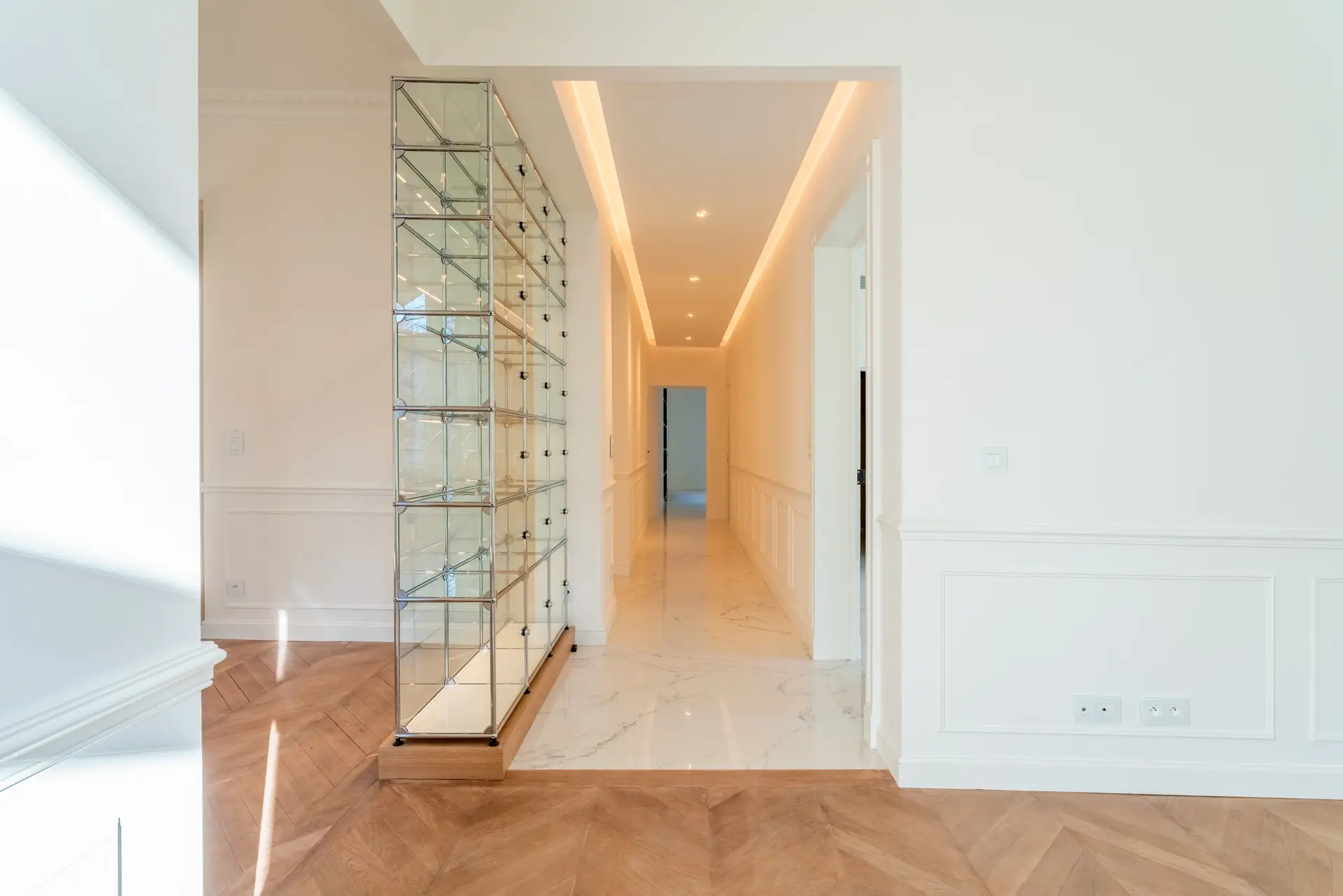
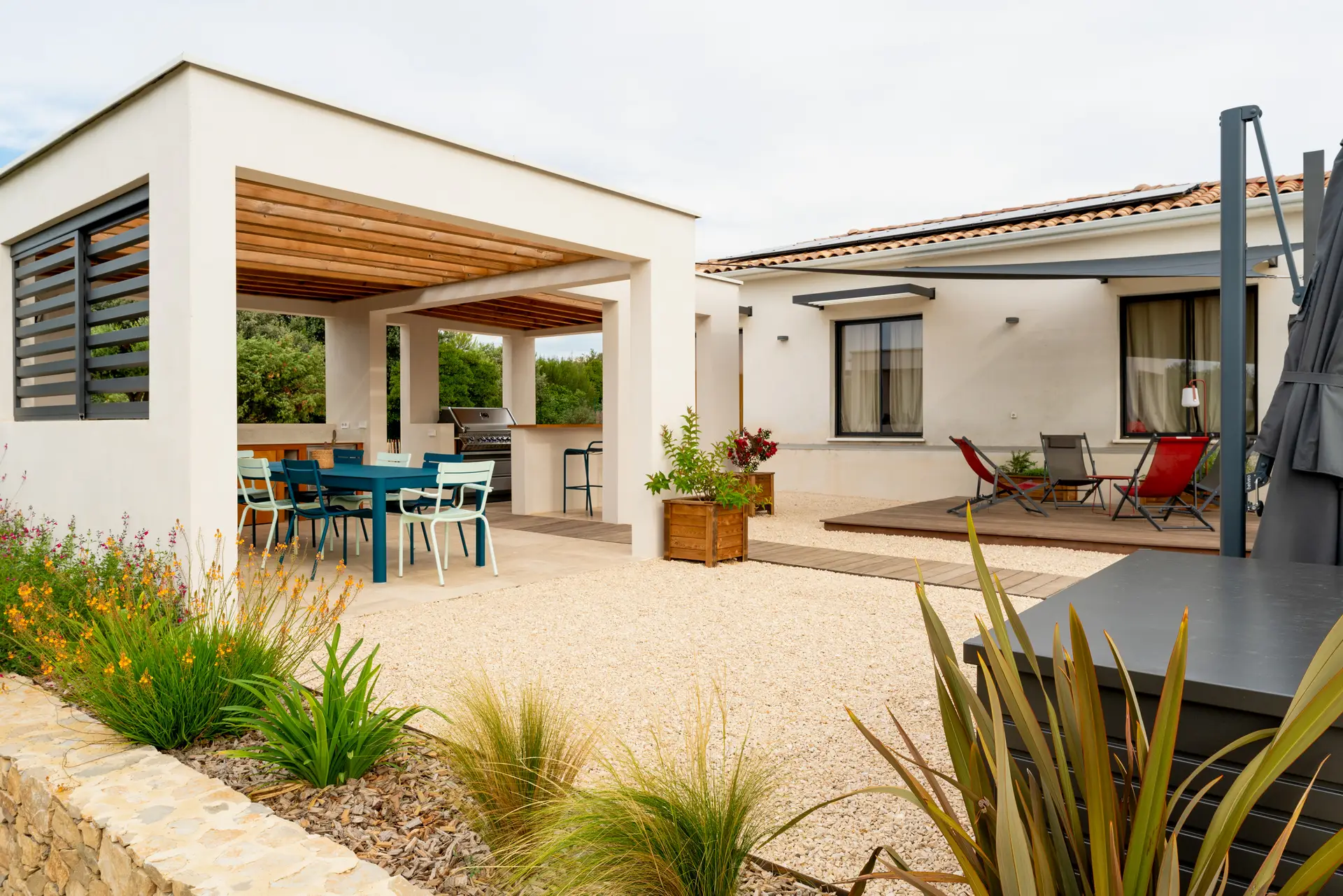
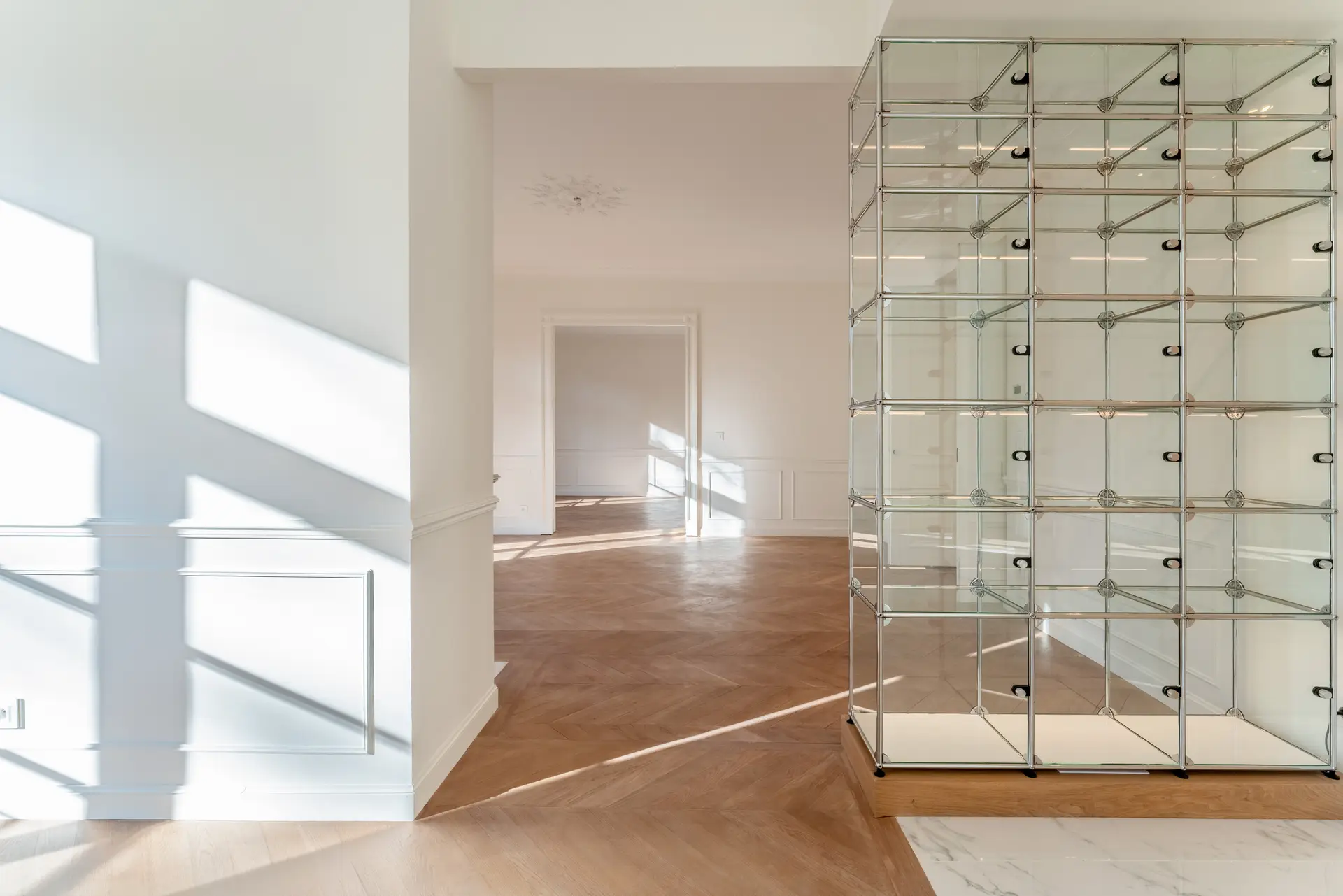
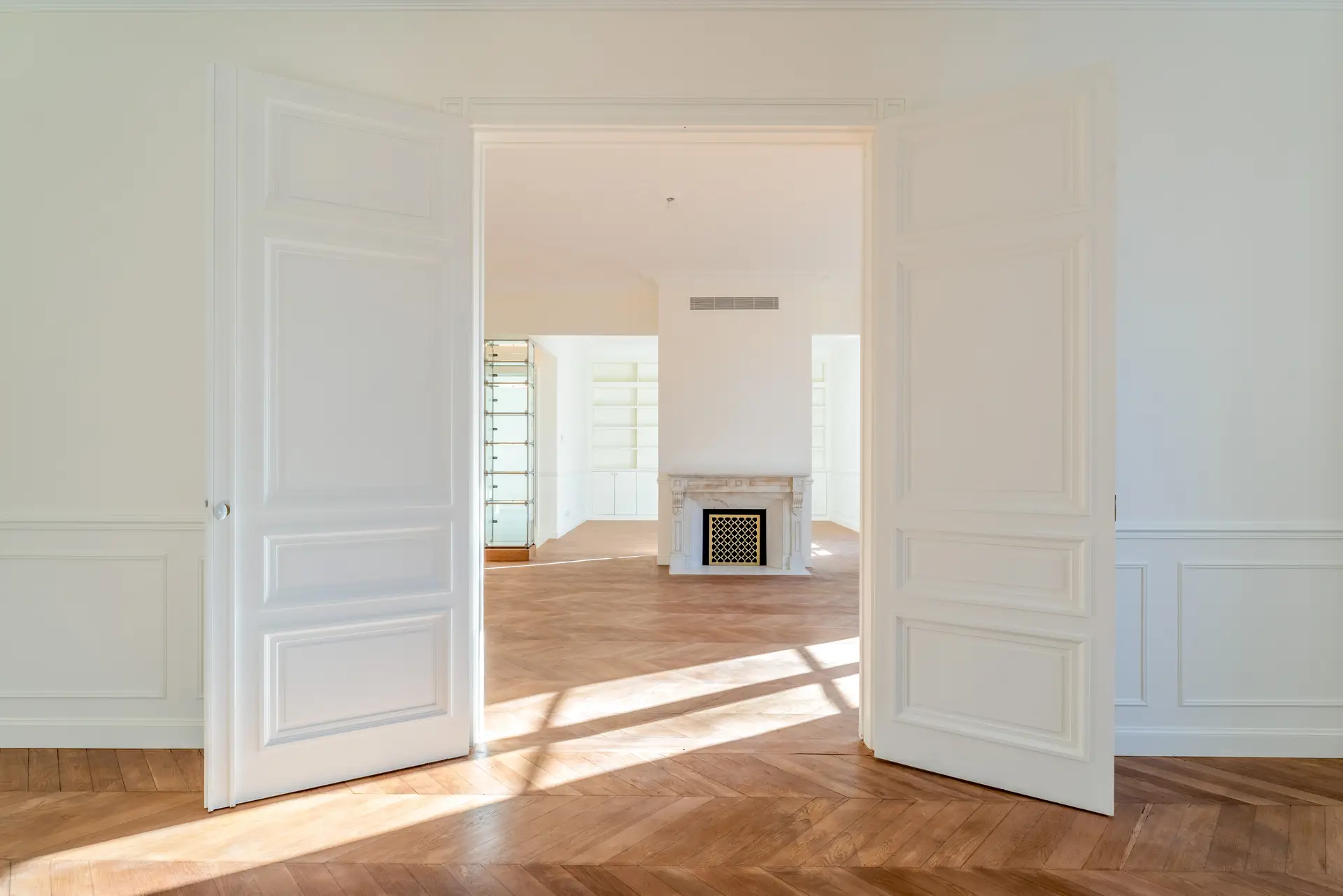
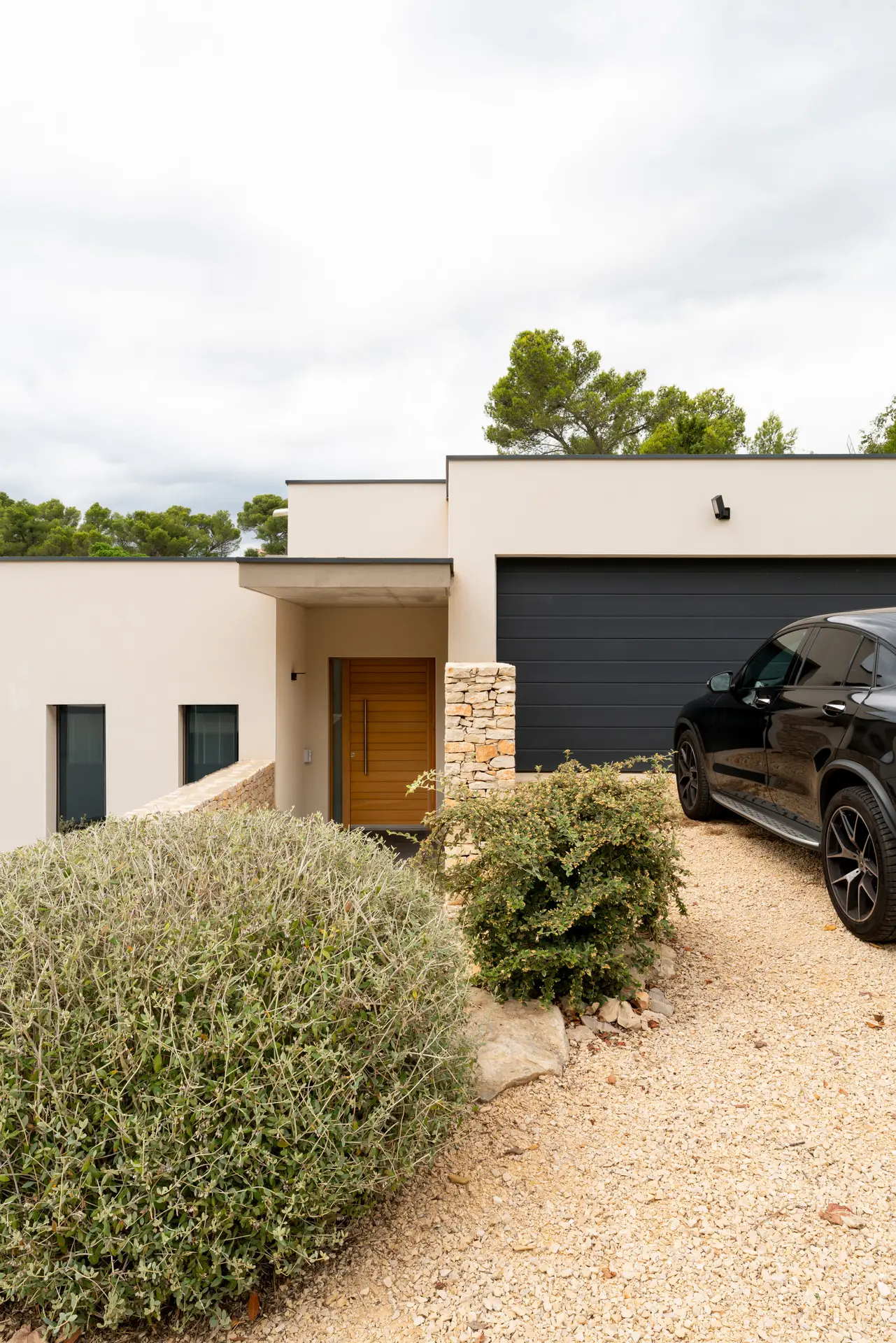
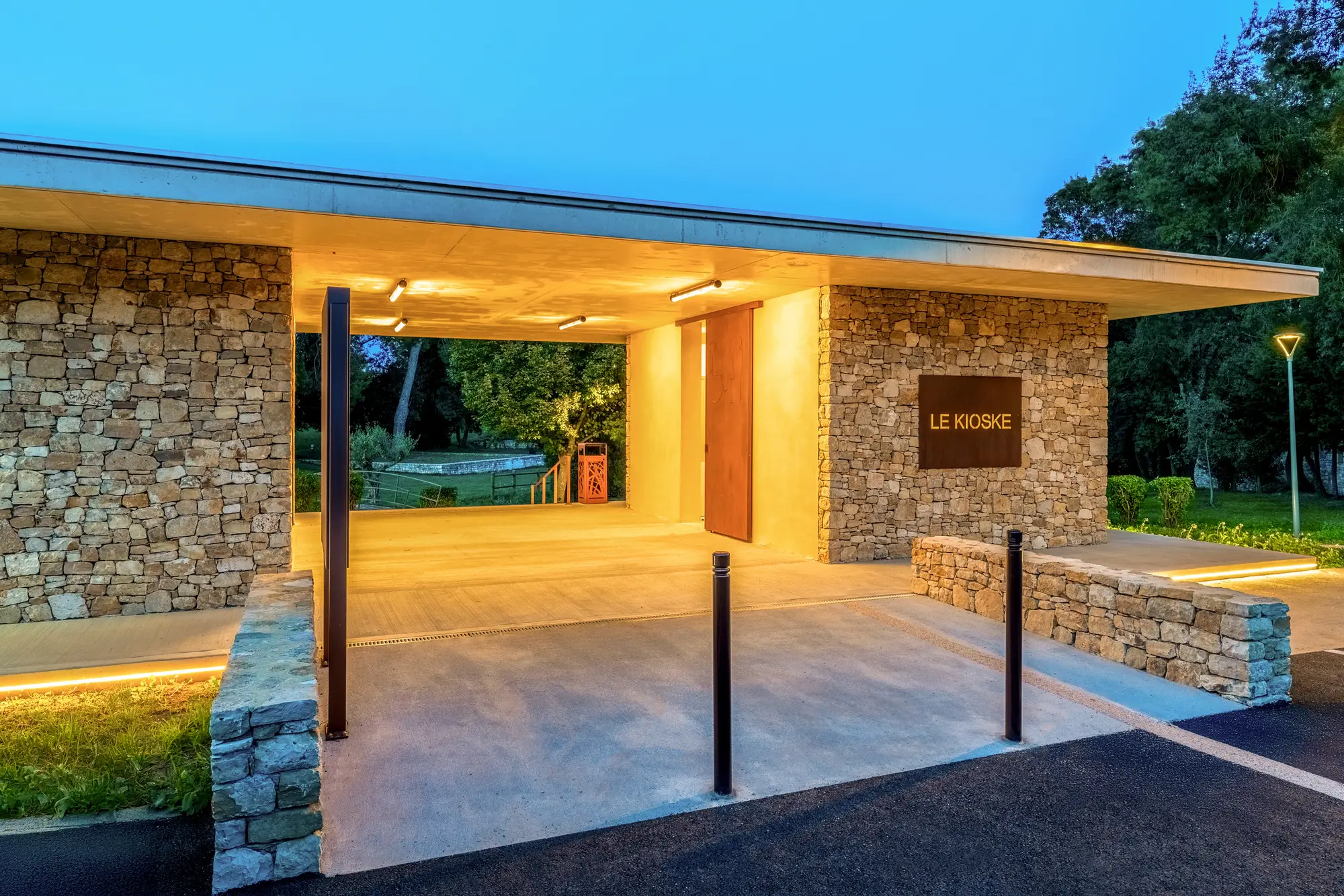
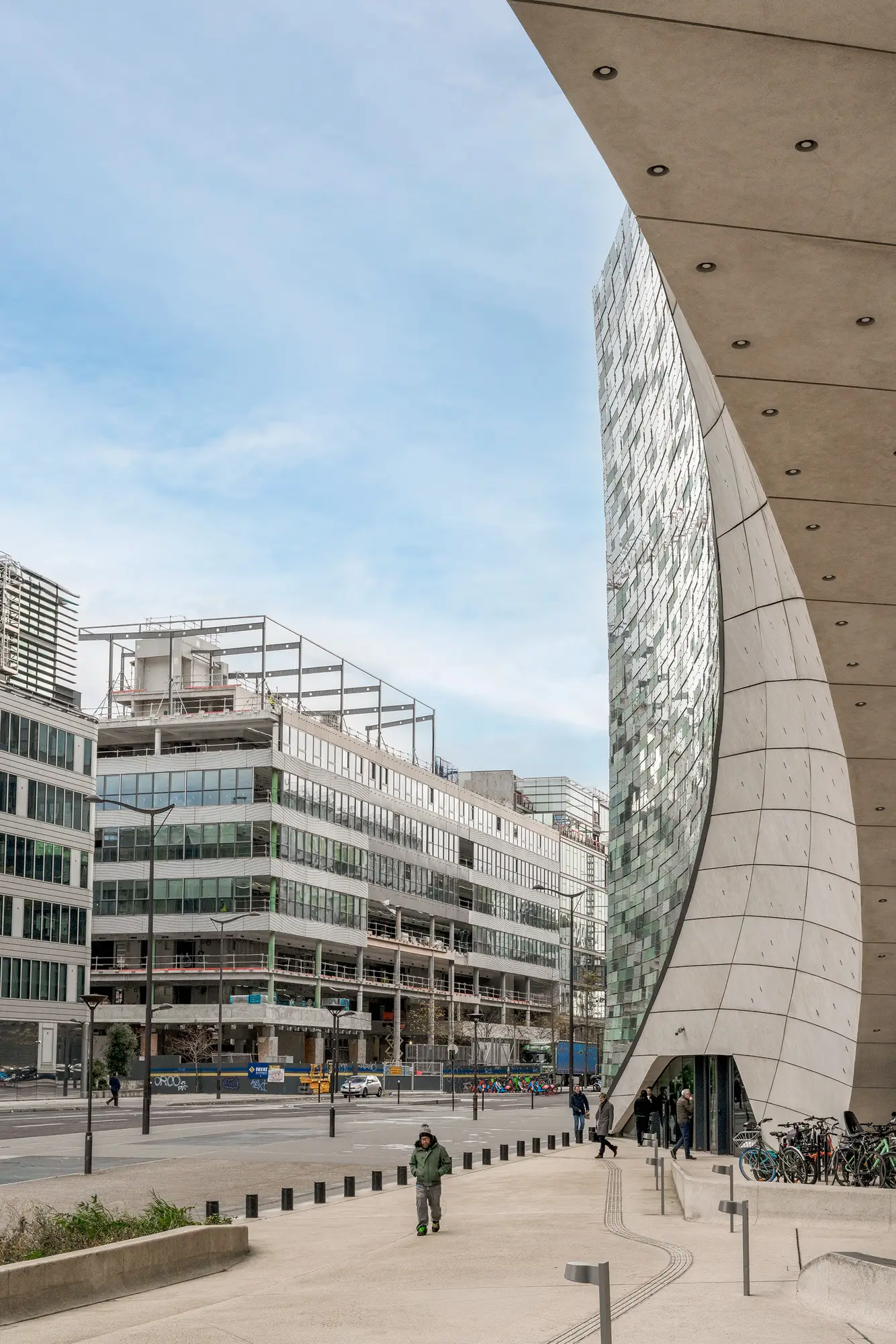
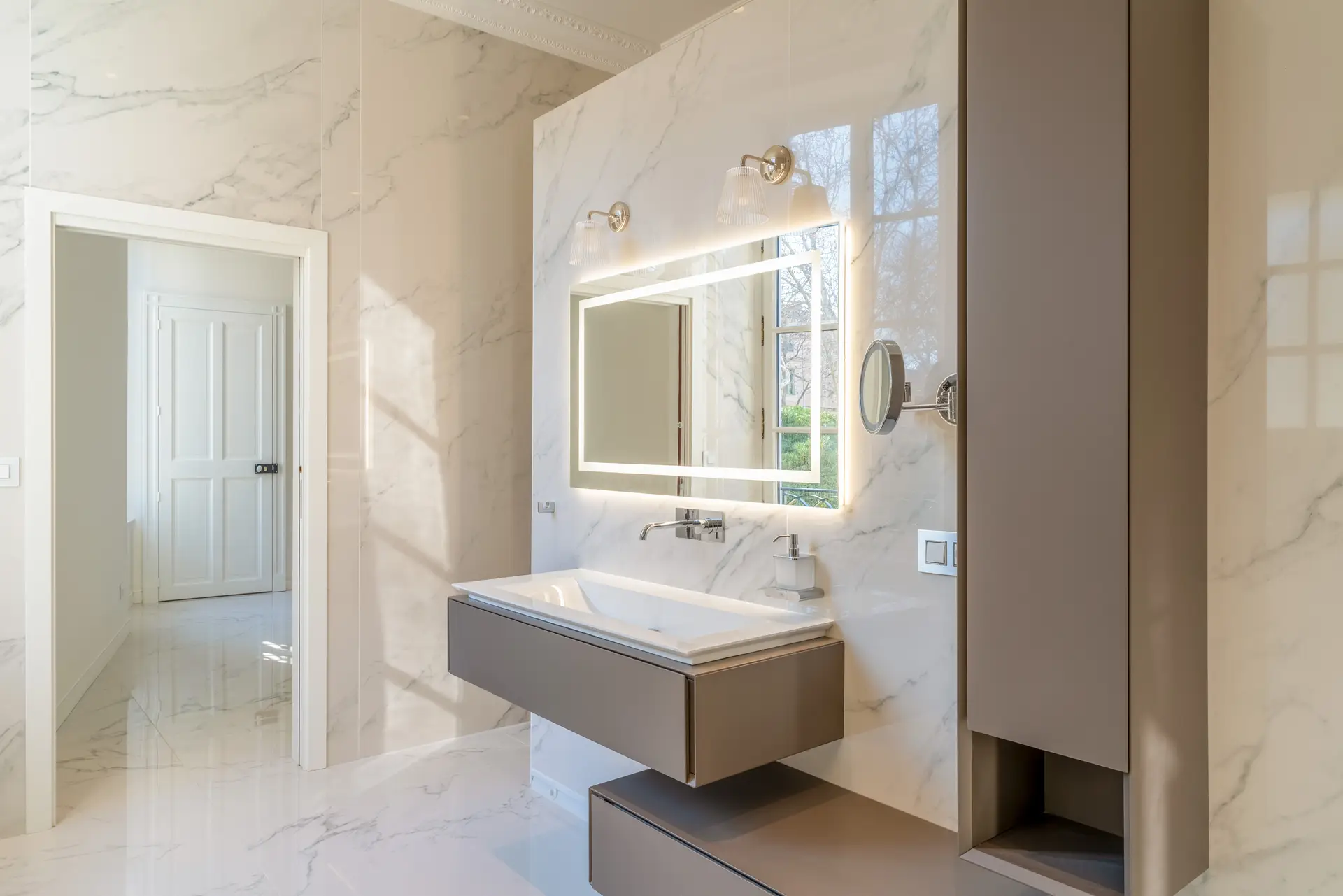
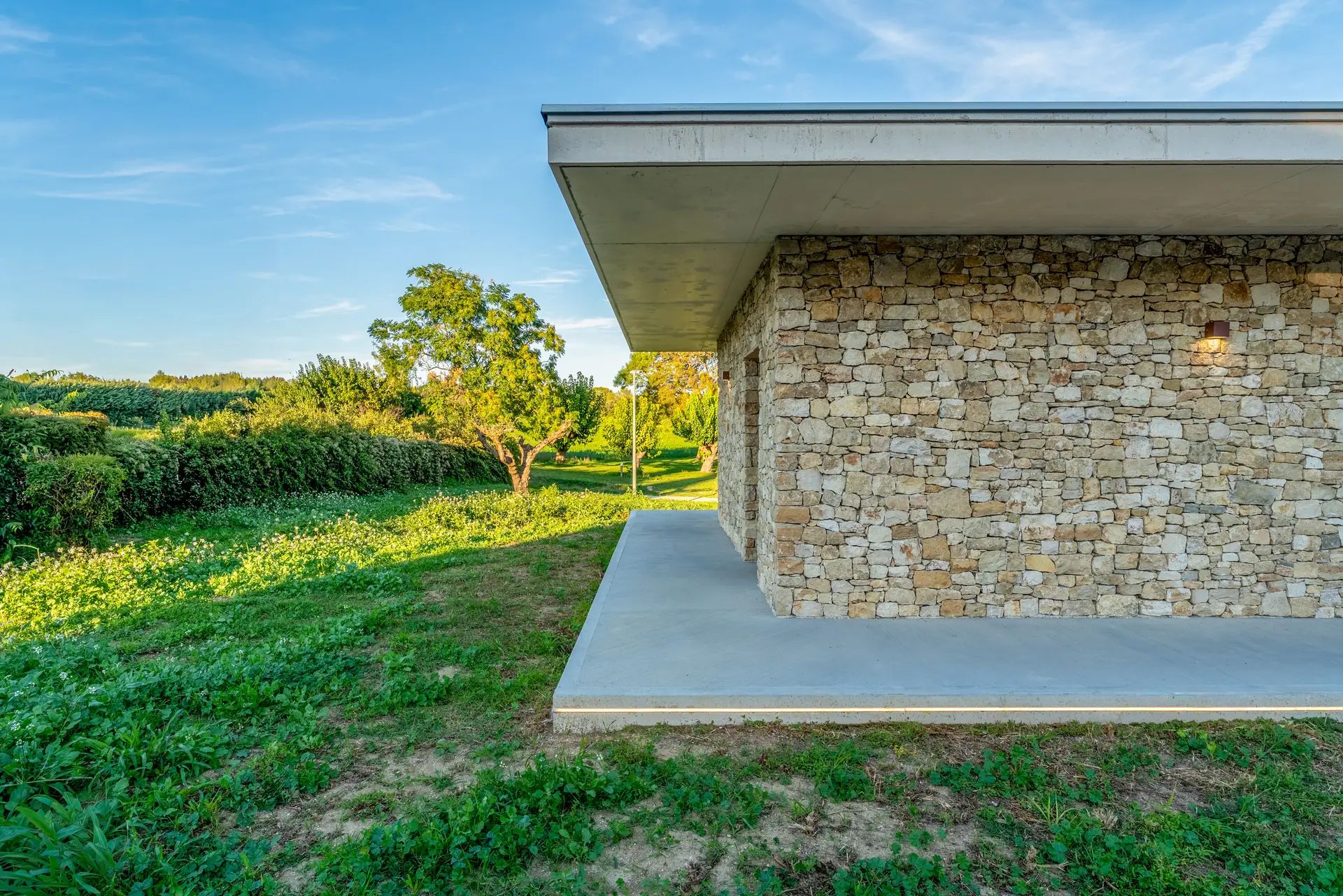
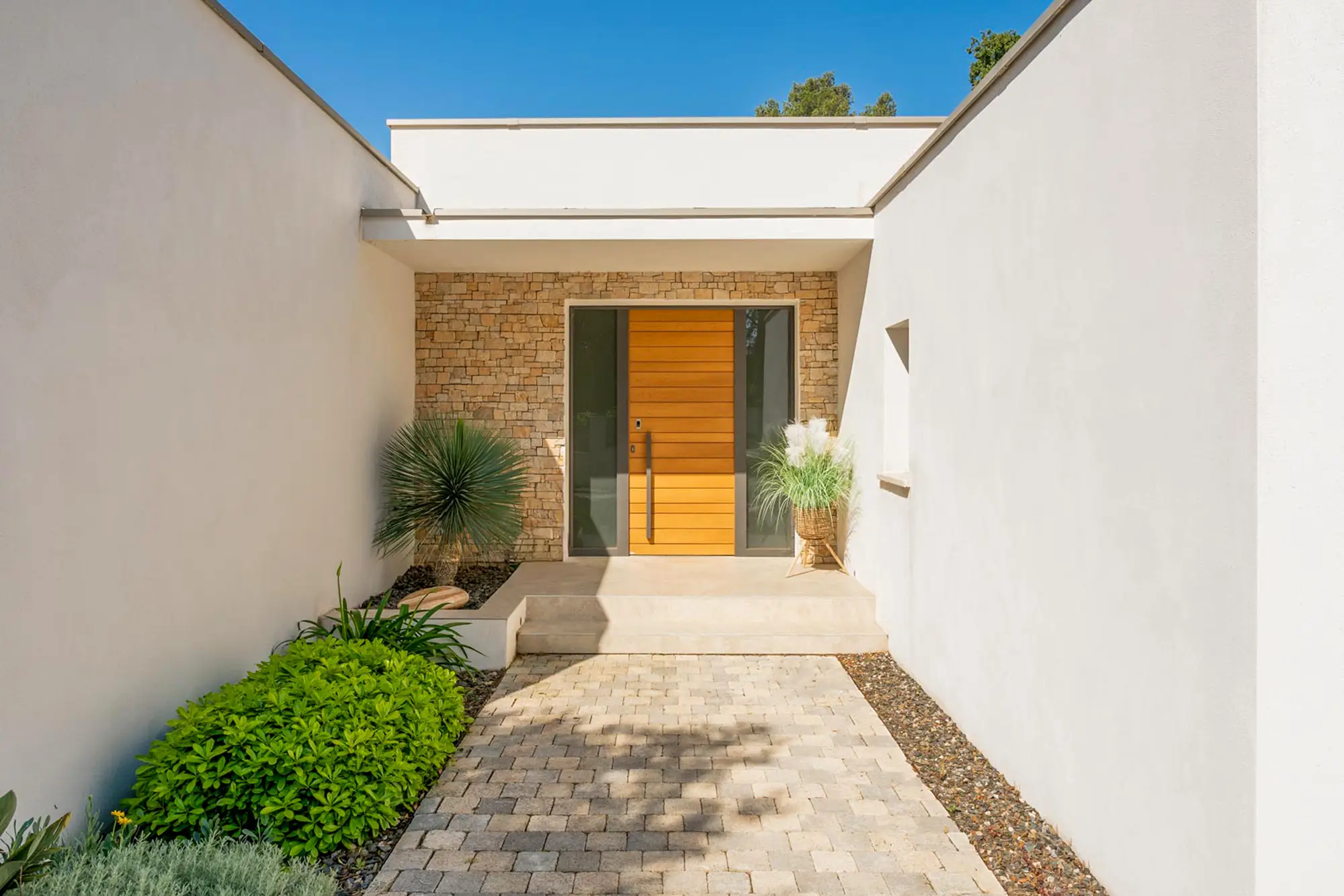
As a professional architectural photographer working in France and abroad, I strive to highlight the architect’s will and the strength of his project through photography and its composition. 

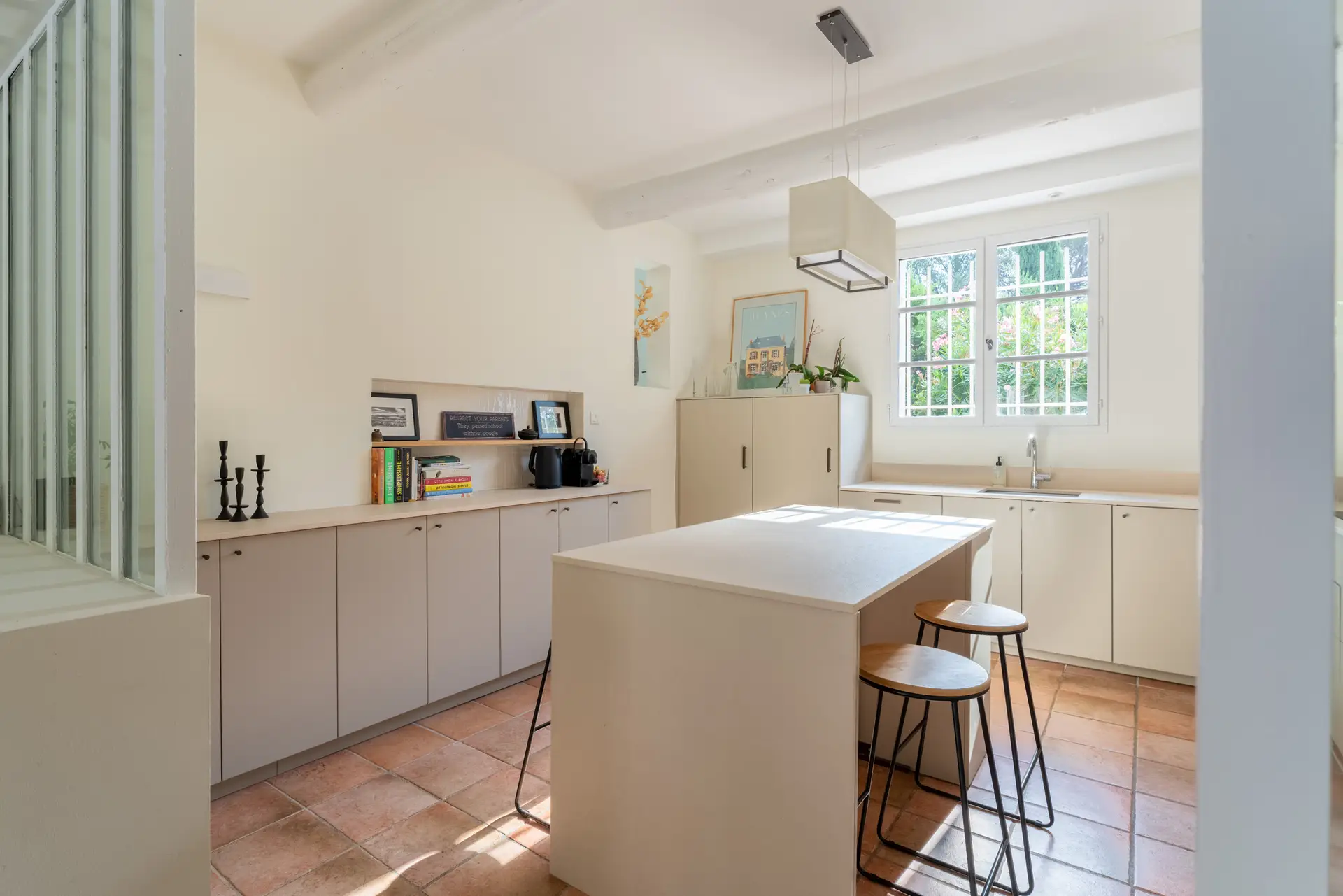
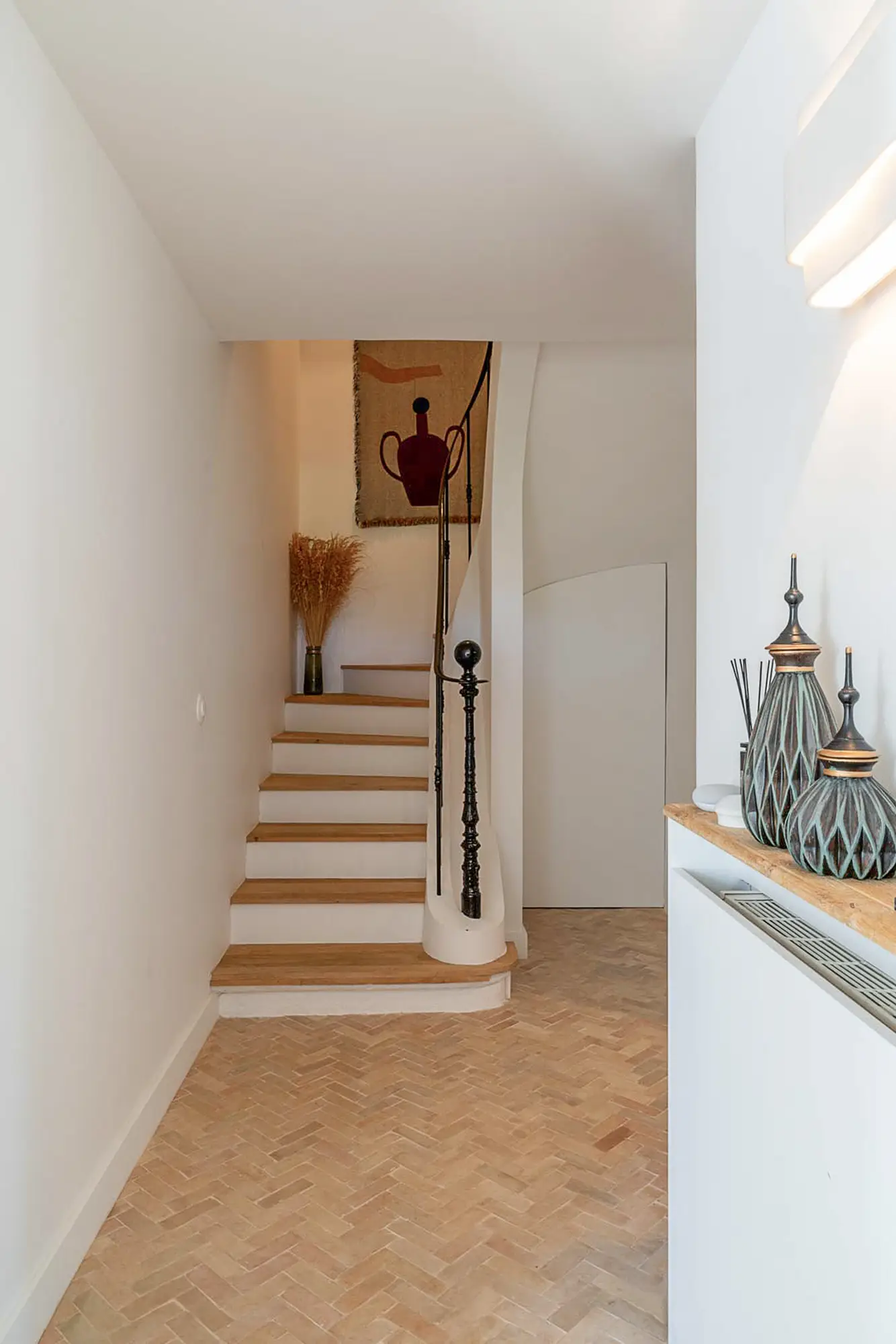
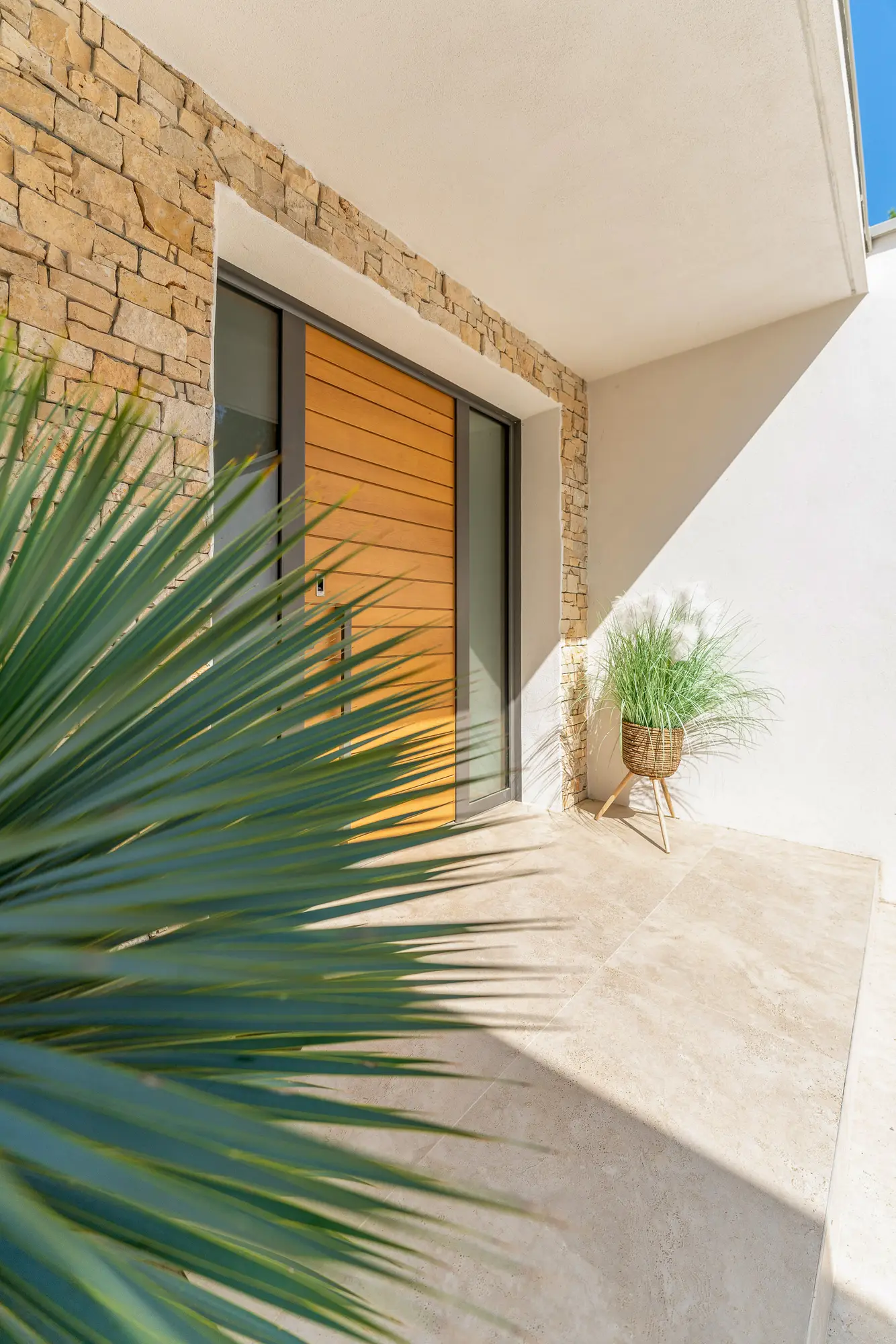
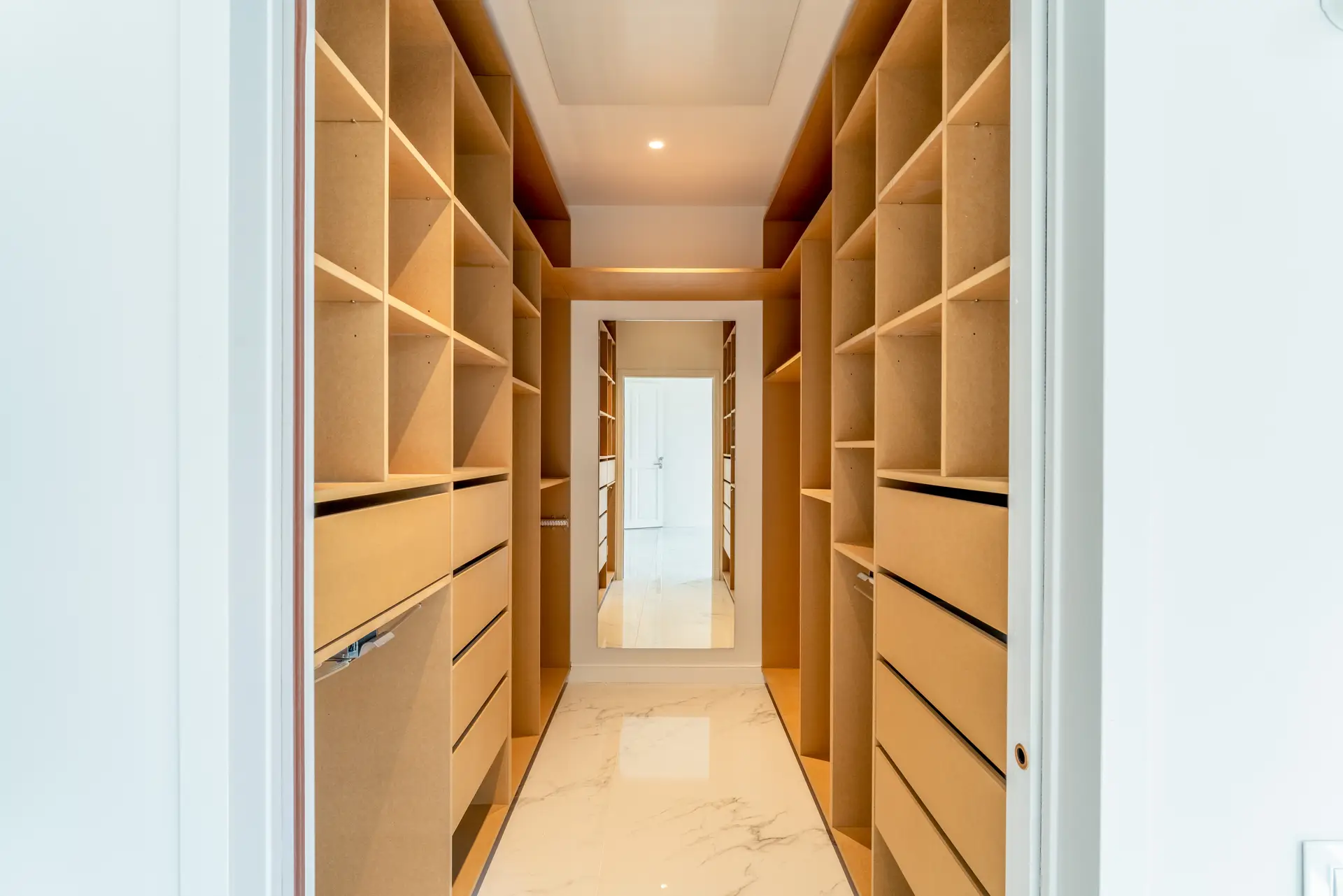
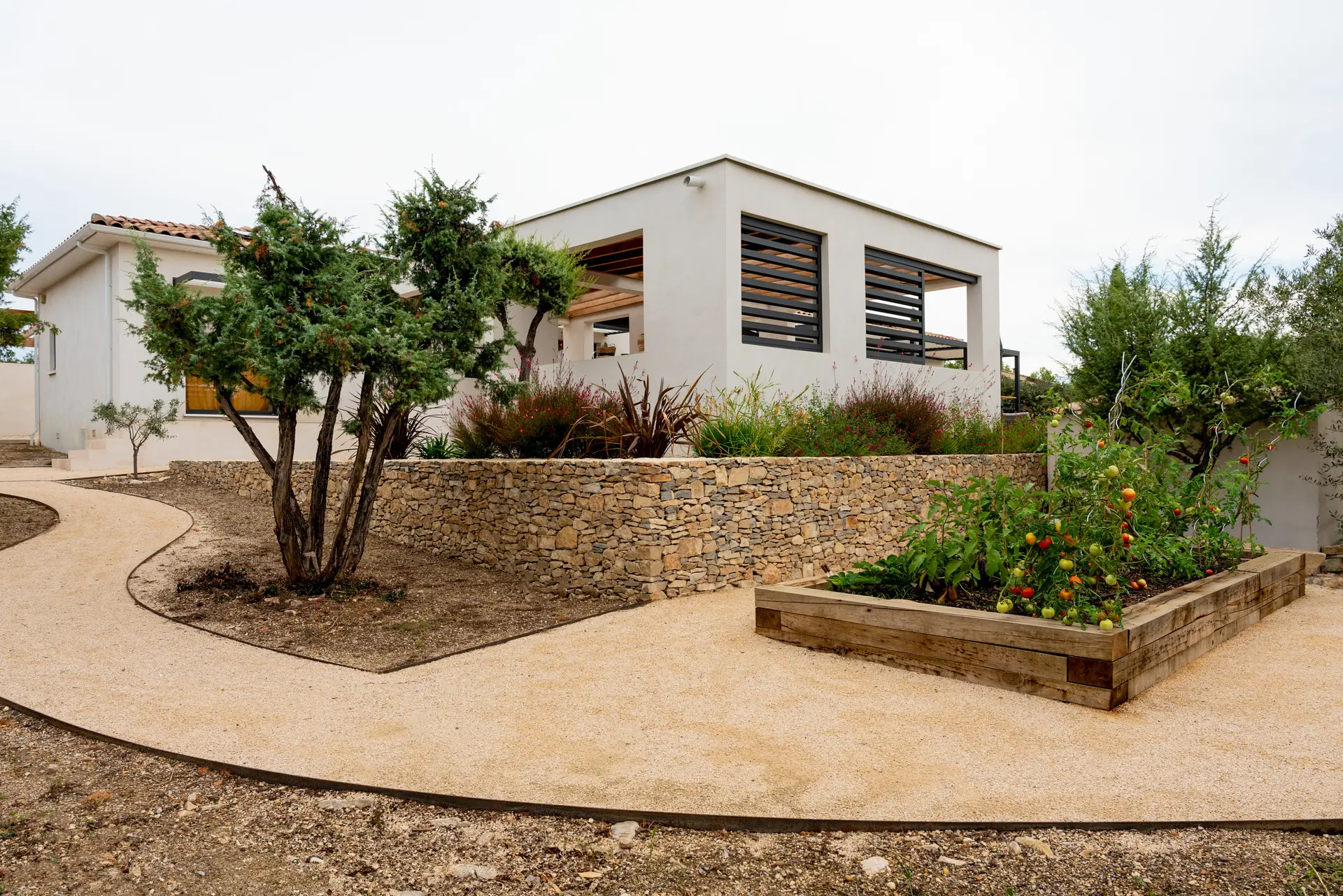
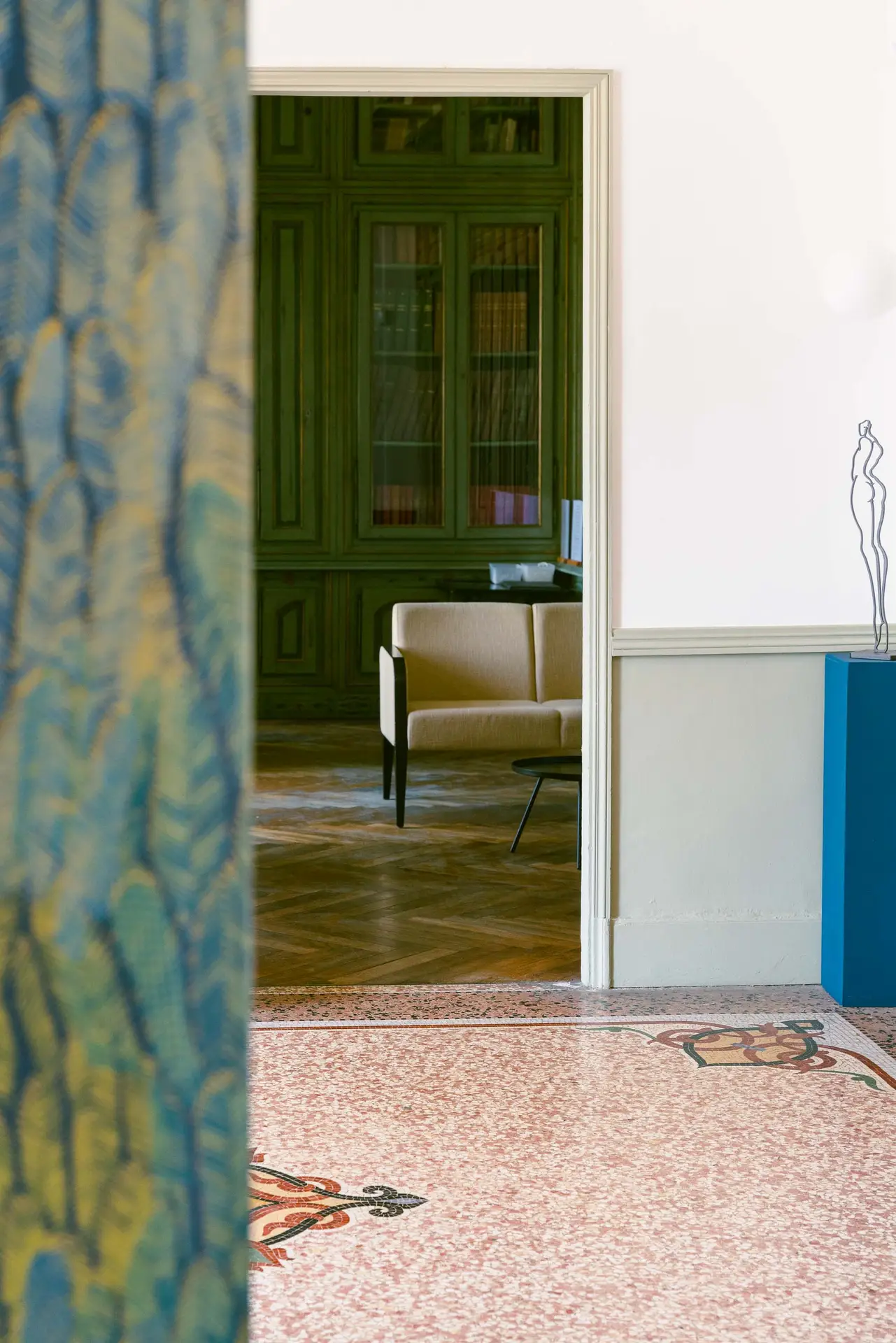
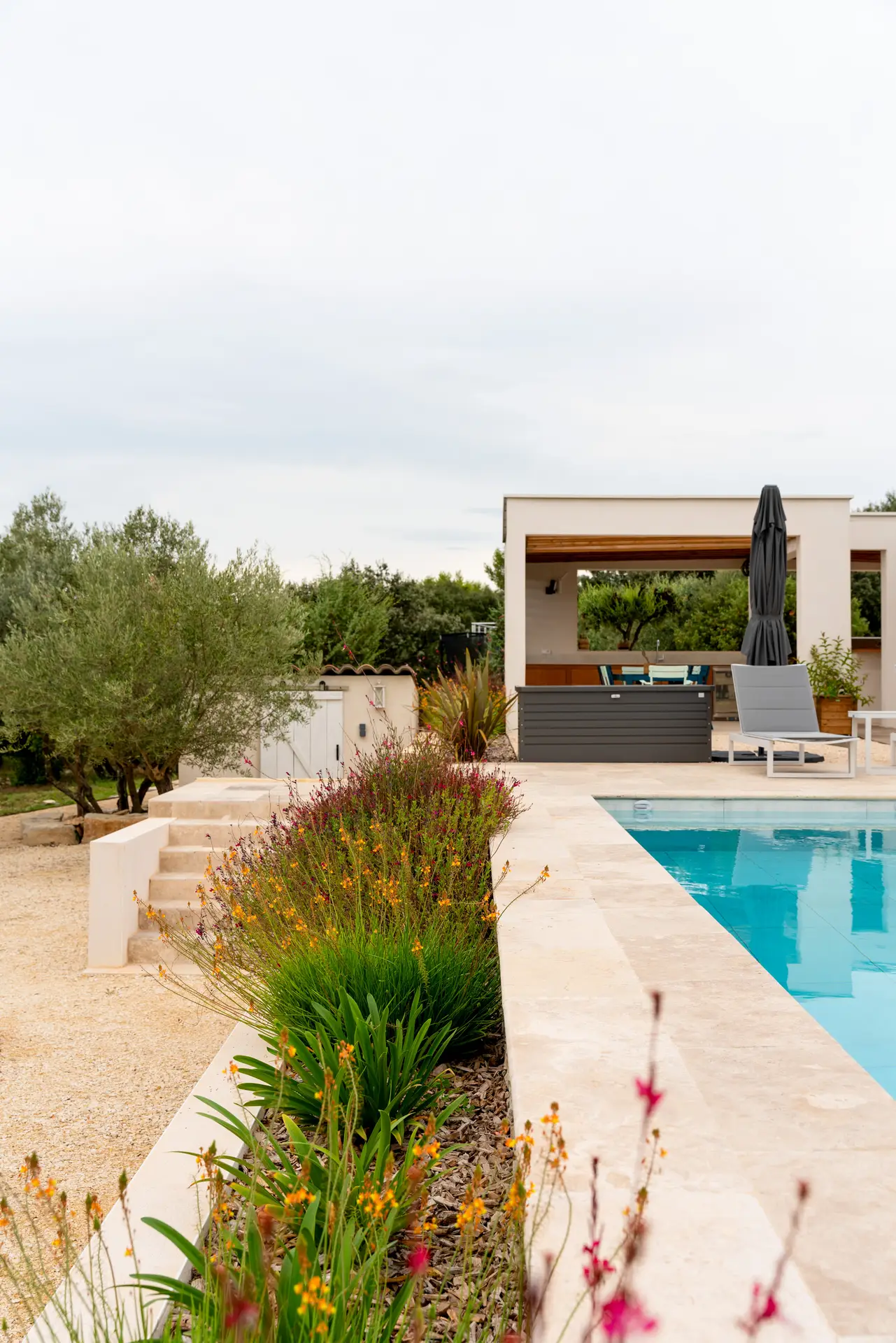
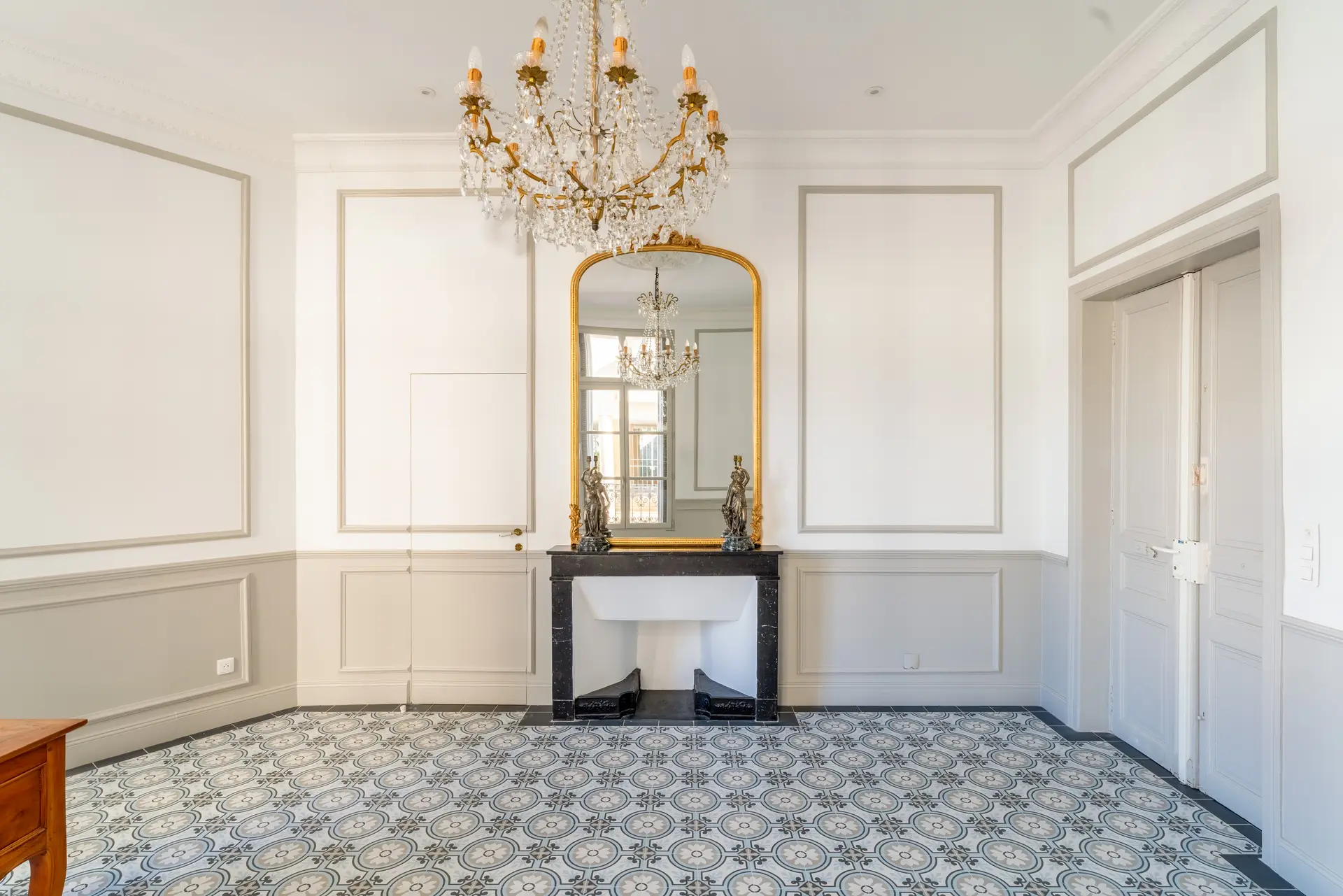
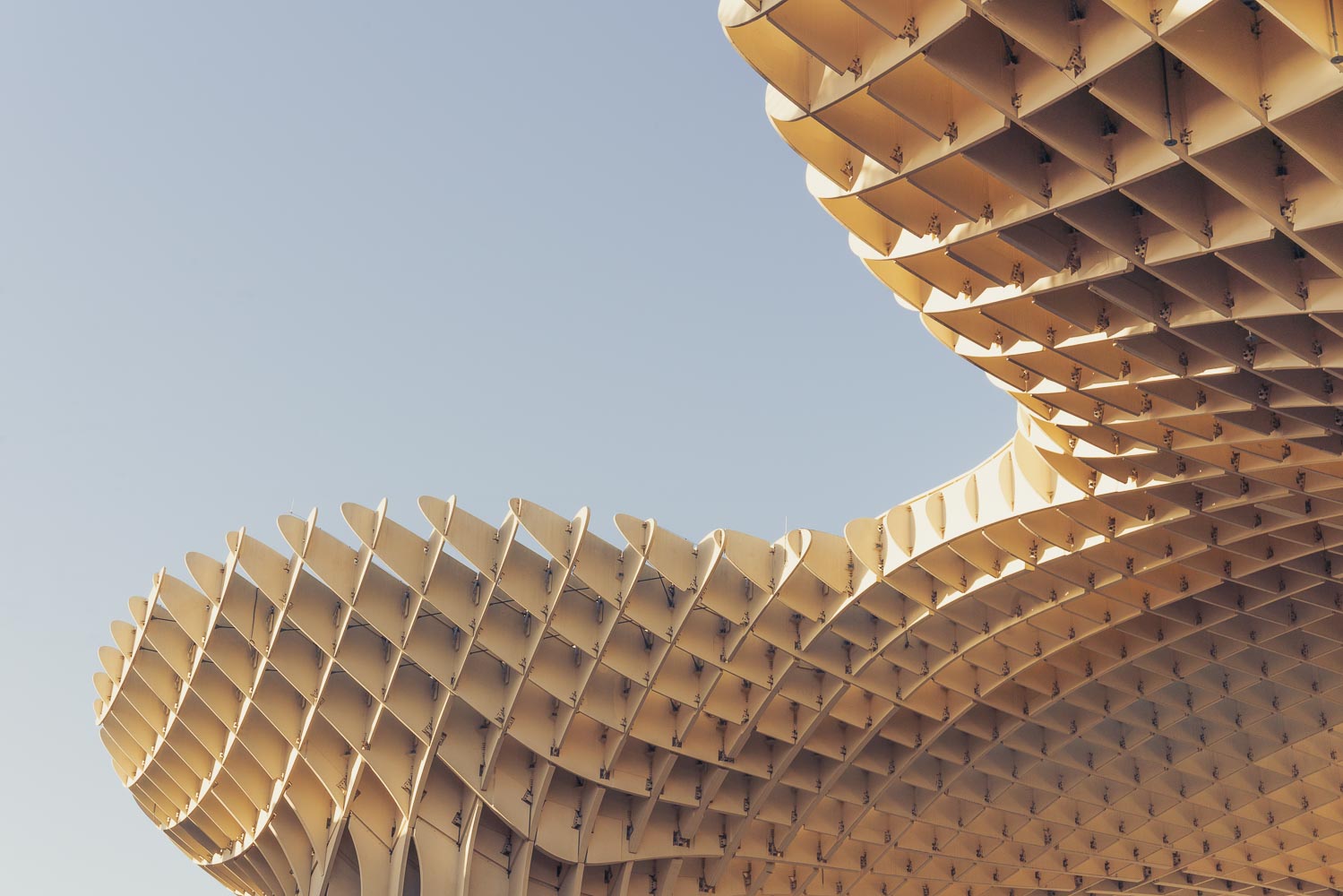
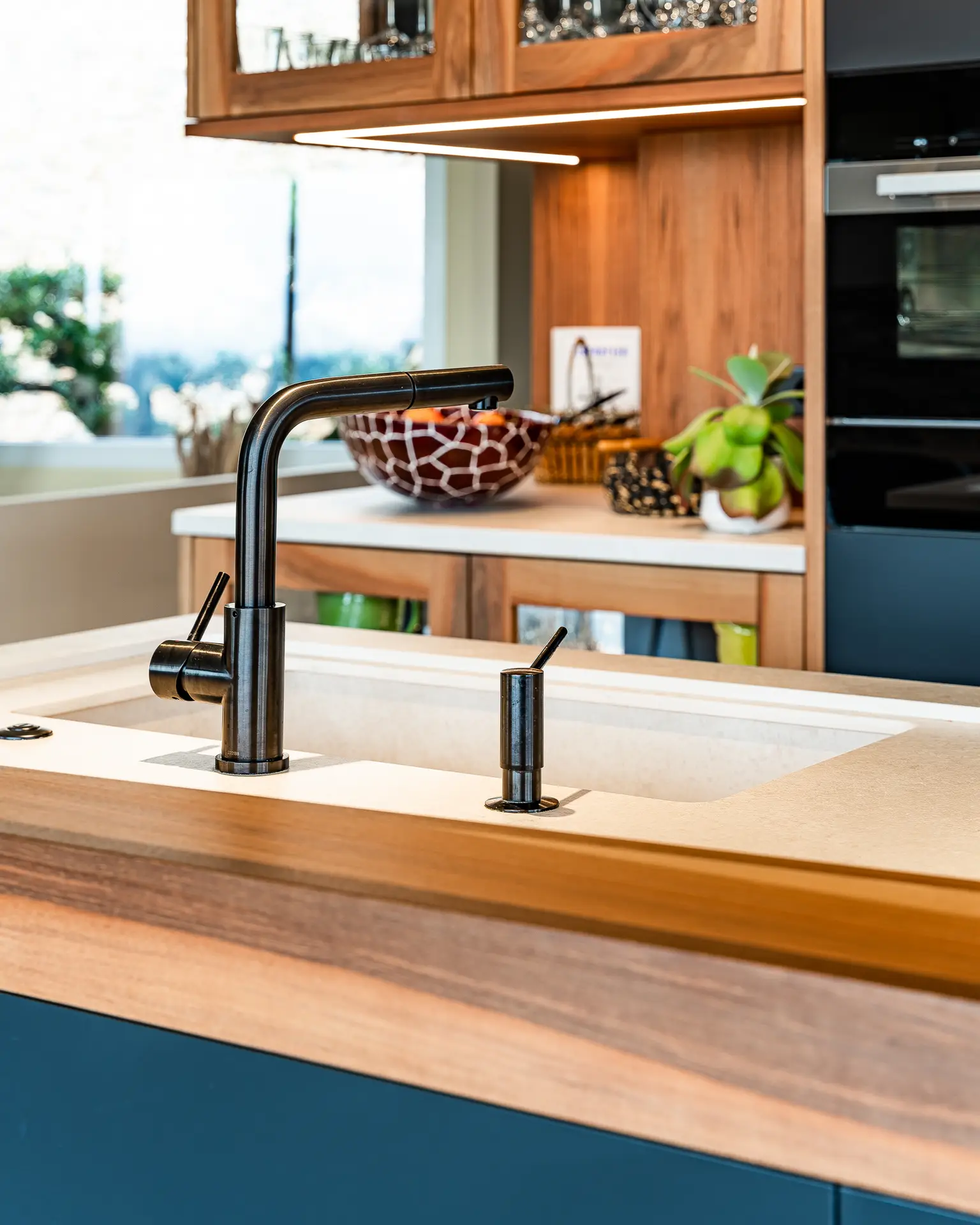
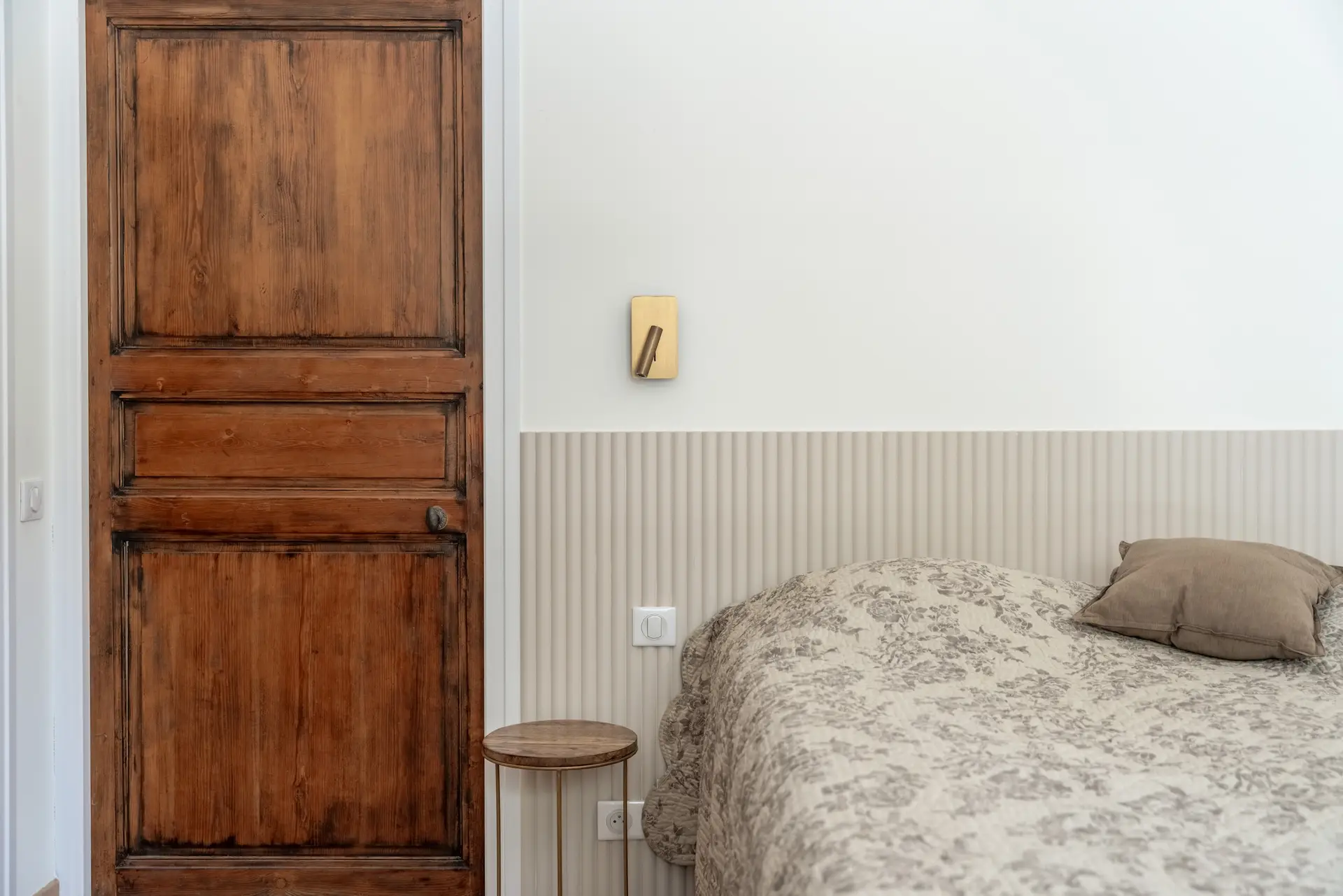
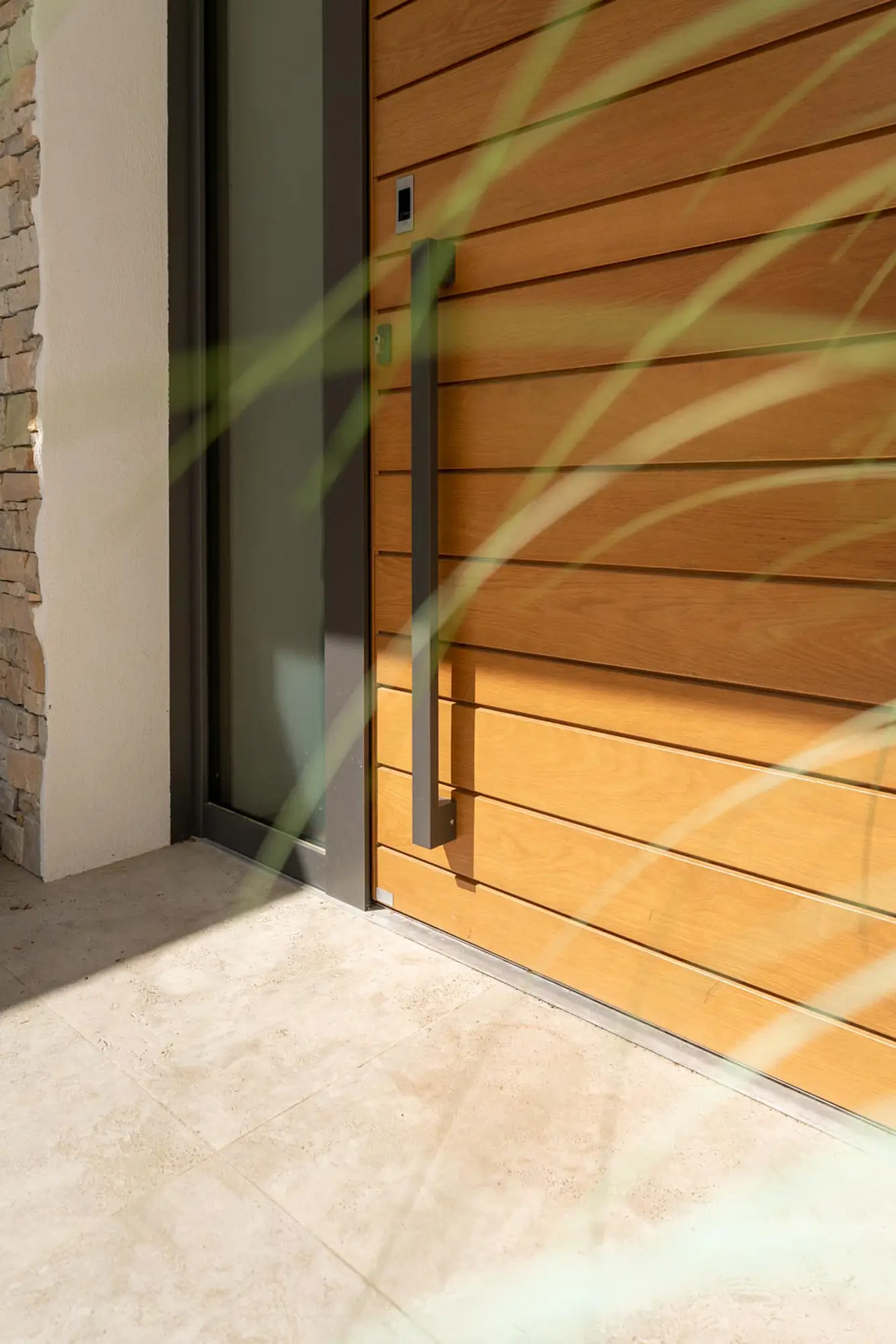
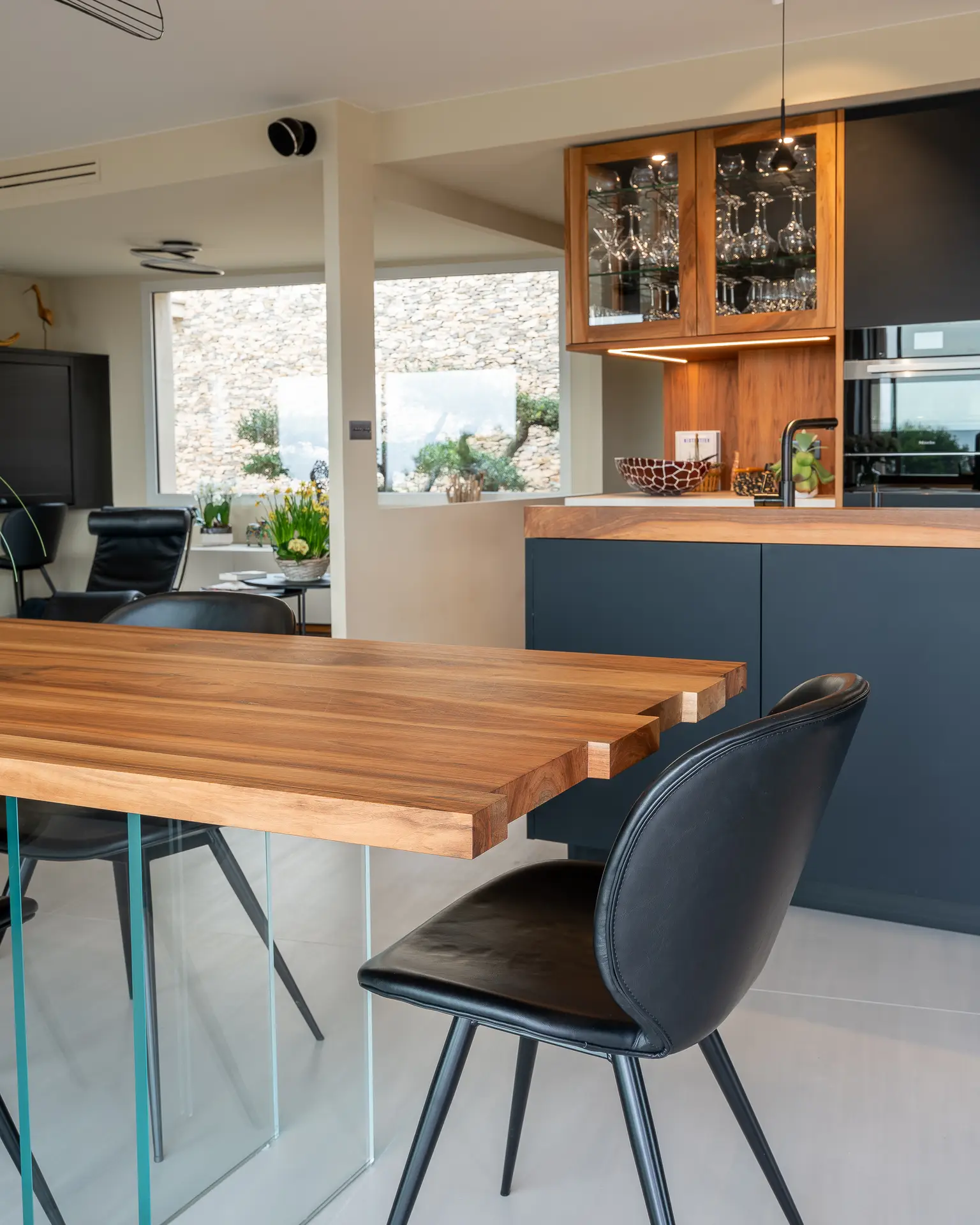
Paying particular attention to the shapes, lines, colors and materials used, as well as to the details of the various volumes and structures, is an essential part of architectural photography, just as it is in real estate photography. 

Whether for a hotel, a house, buildings, art galleries or other spaces, the architect’s work products must be enhanced by image, and customers must be satisfied.

The invisible art that sublimates the visible

Architectural photography is a demanding discipline, where technical rigor meets artistic sensitivity. The objective? To reveal the architect’s intention, the quality of materials and the harmony of volumes, while respecting the reality of the building. A good architectural photo doesn’t just show: it tells, draws and convinces.

A complete deciphering of the specifics, skills, key steps and secrets that transform a simple shot into a work of art in its own right.

The specificities of architectural photography

Unlike real estate photography (which aims to sell a property), architectural photography seeks to :

  • Capture the essence of the project: how the building interacts with its environment, how it fulfills a function, how it fits into a history.
  • Highlight technical details: play of light, material textures, precision assembly, structural innovations.
  • Respect proportions and perspective: avoid distortion (the “vertical drop” effect), control angles to avoid betraying reality.

The perfect blend of technique and sensitivity

Advanced technical skills

Natural light:

  • Golden hour (1h after sunrise/before sunset): ideal for outdoors, it softens shadows and warms tones.
  • Zenithal light (mid-day): avoid for facades, but useful for interiors if filtered.
  • Cloudy days: perfect for interiors, as the light is diffused and even.

Prerequisites for a successful session

Detailed brief: type of building, use of photos (competition, website, brochure), deadlines, budget. List of required viewpoints (main facade, entrance hall, staircase, etc.).

Scouting: visit the site to identify the best angles, constraints (trees, neighboring buildings), and ideal moments of light. Check authorizations (drone, access to private areas).

Equipment: bring spare batteries, memory cards, and a plan B in case of breakdown.