Architectural photographer

Architecture

Geometry, perspective and style

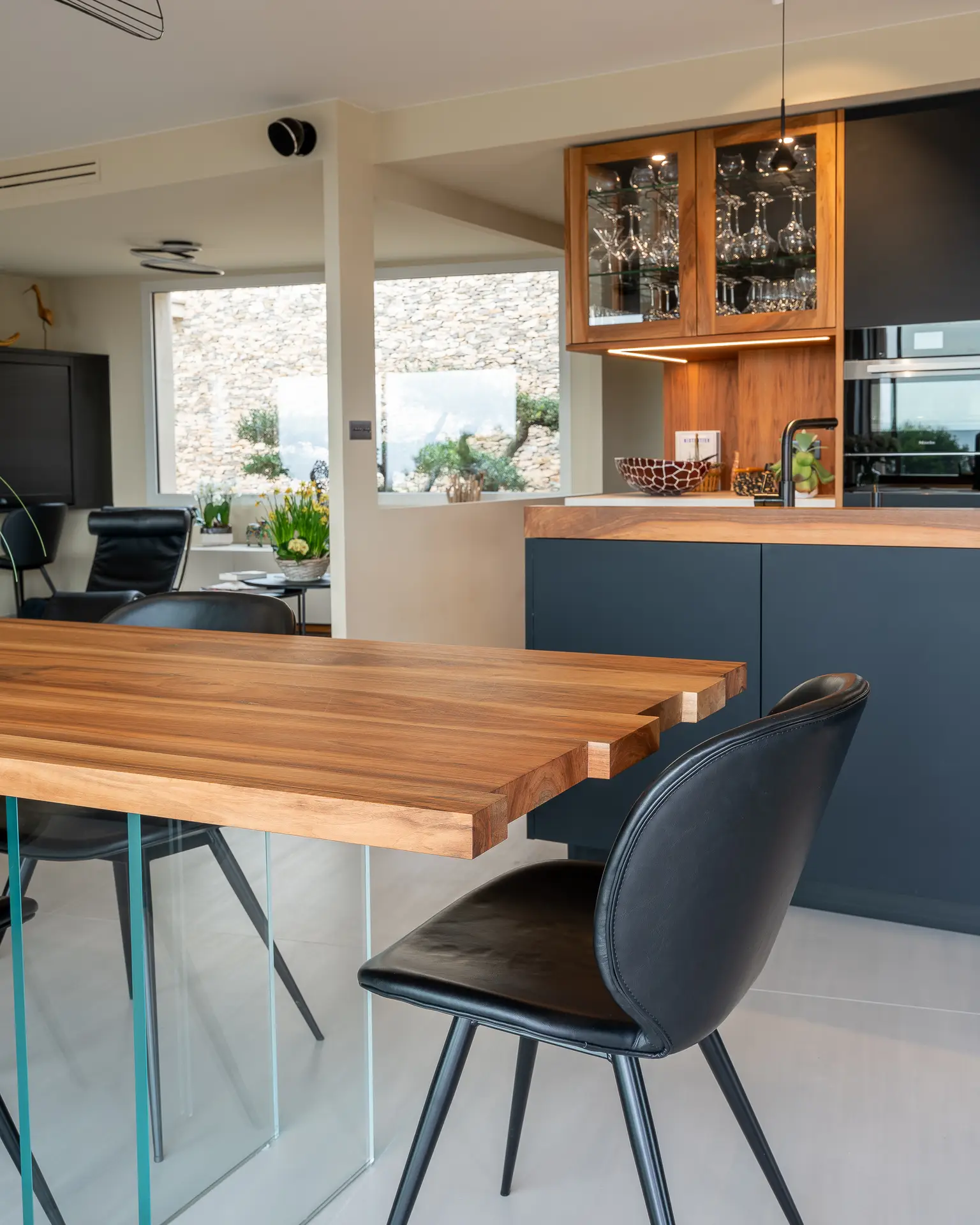
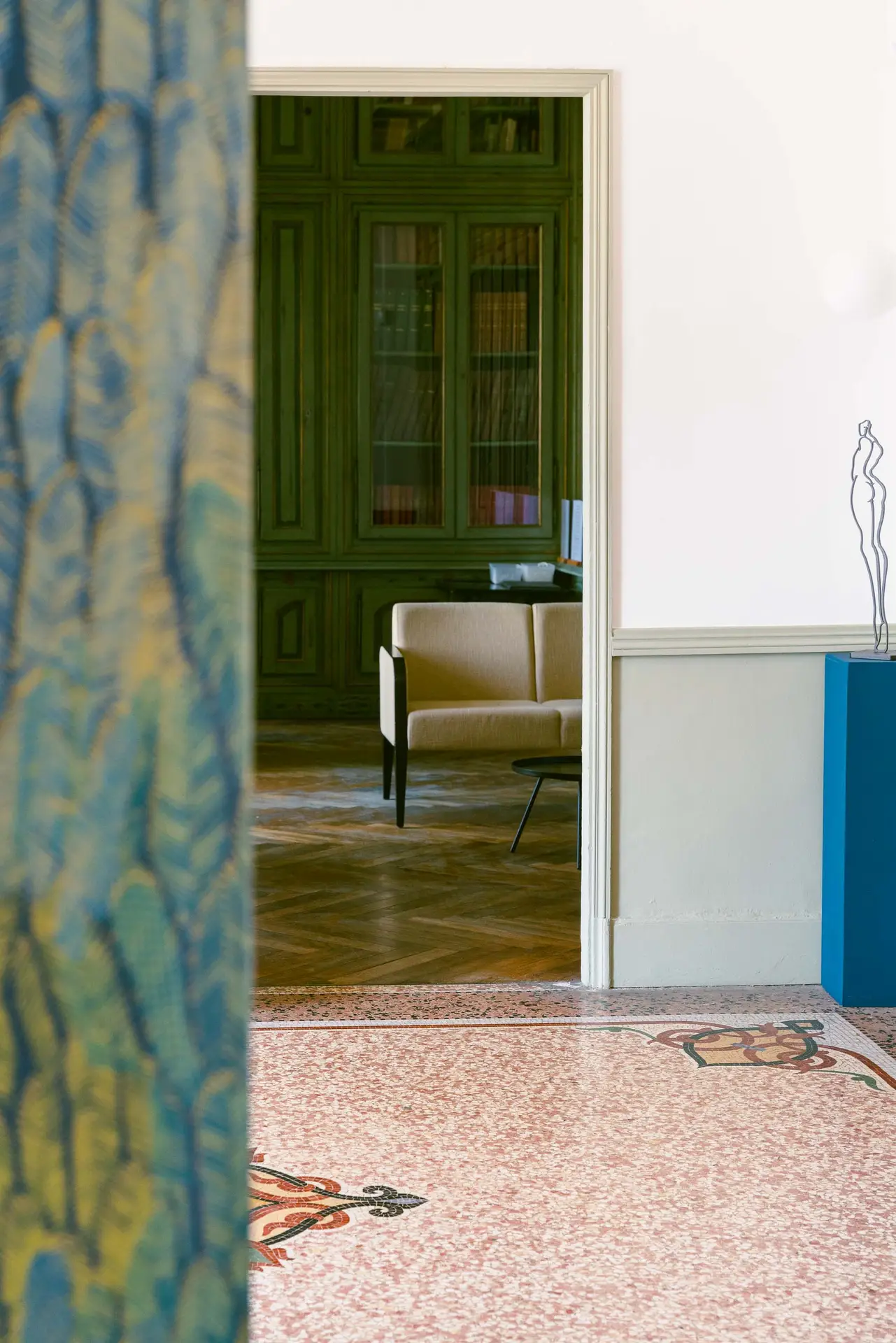
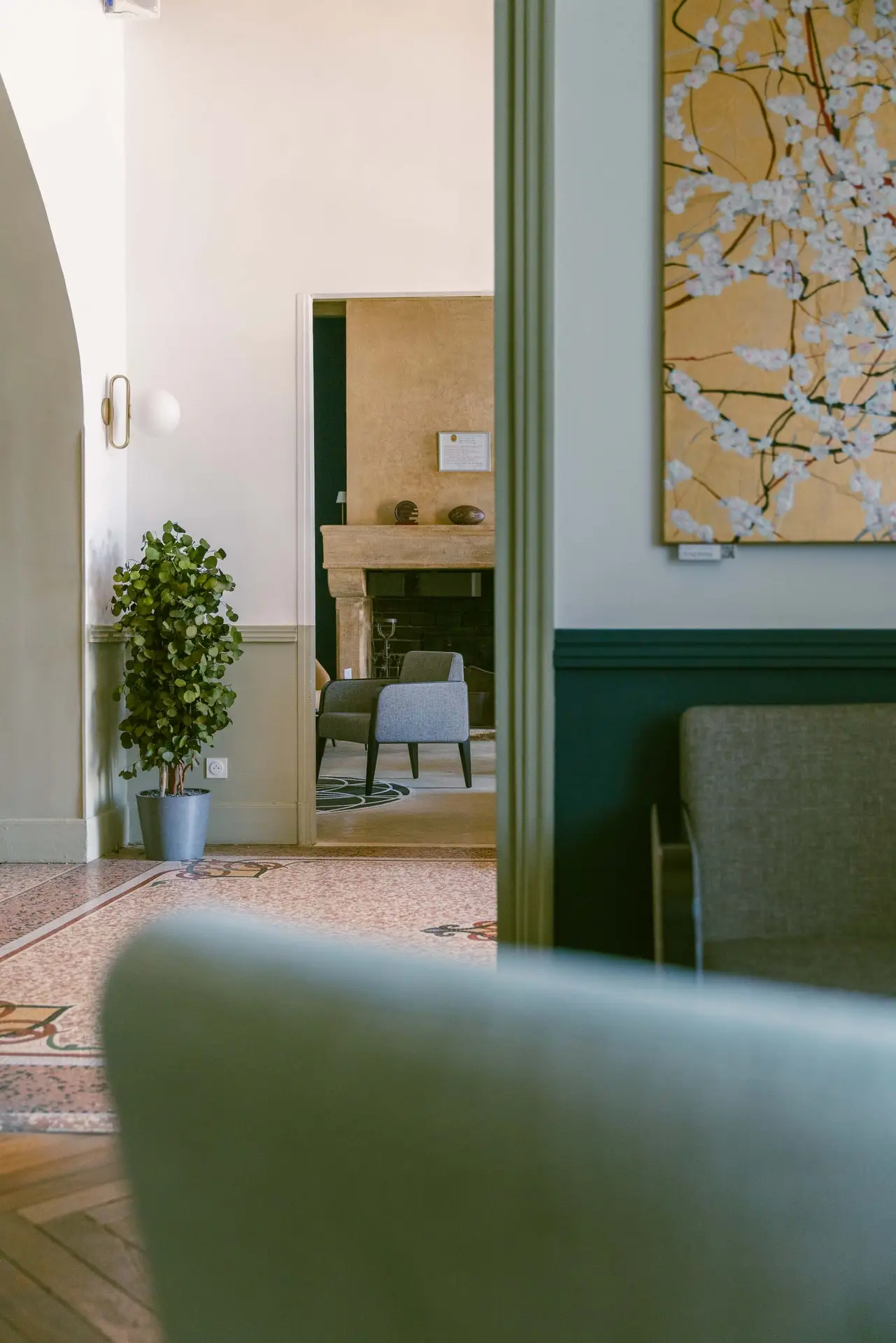
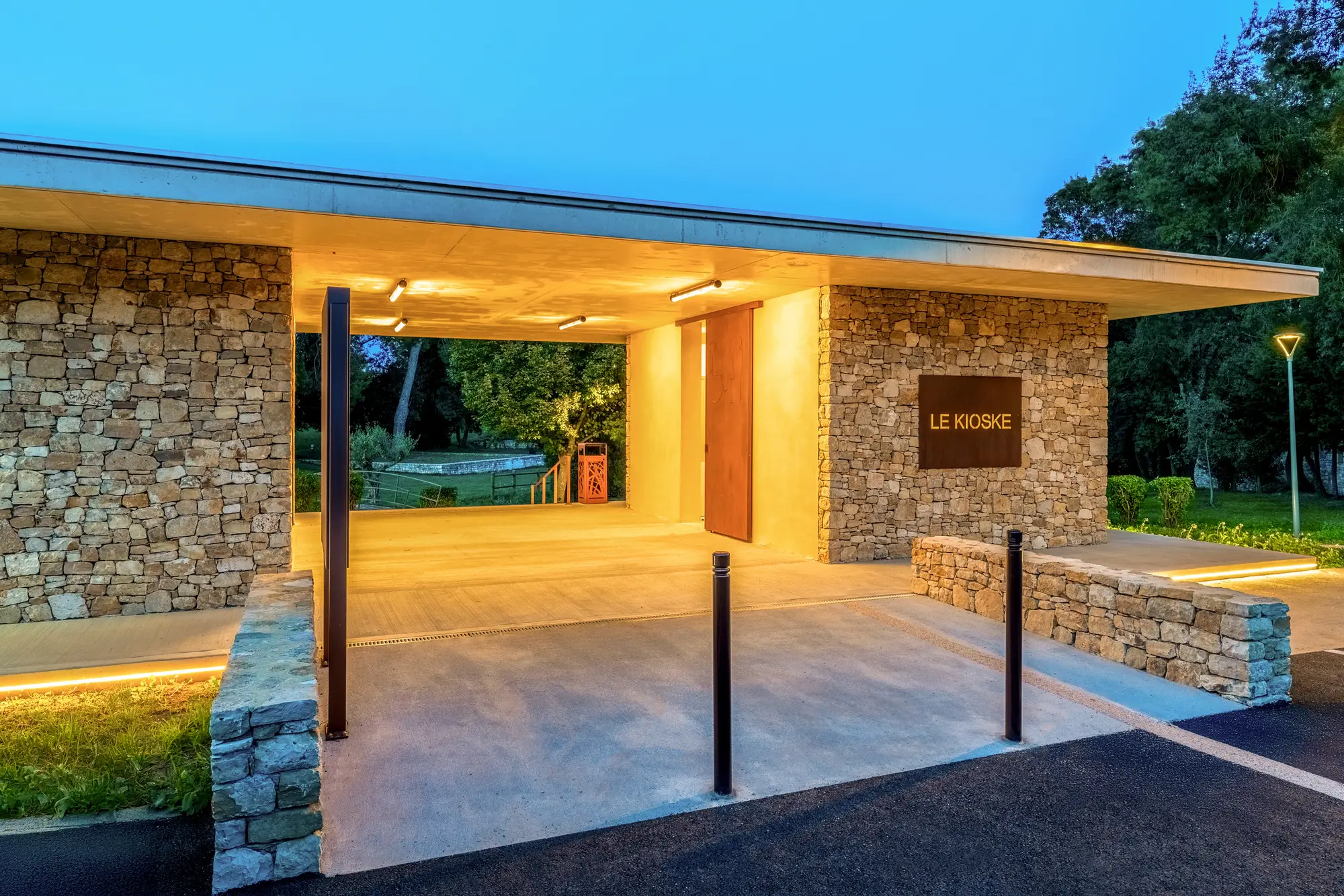
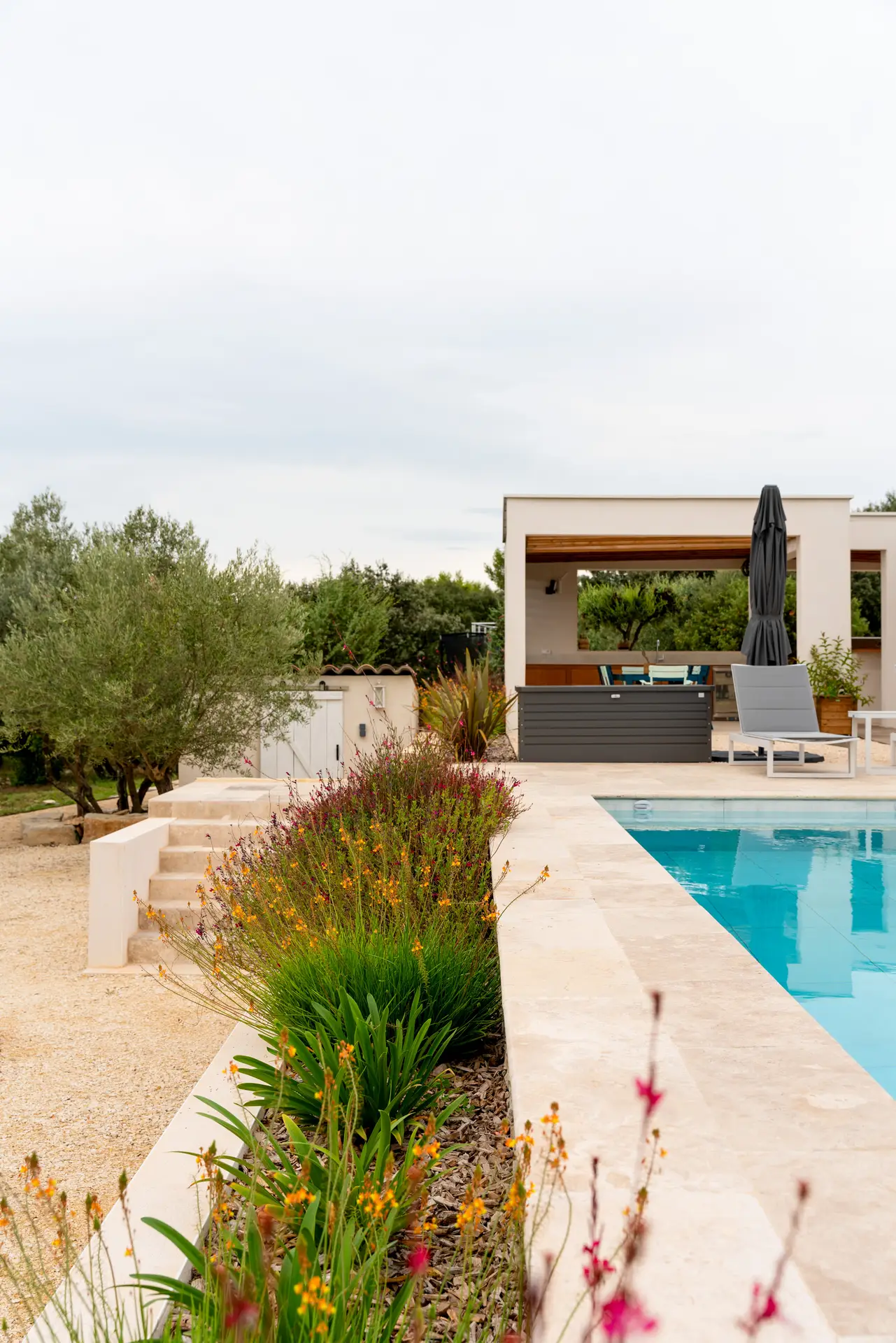
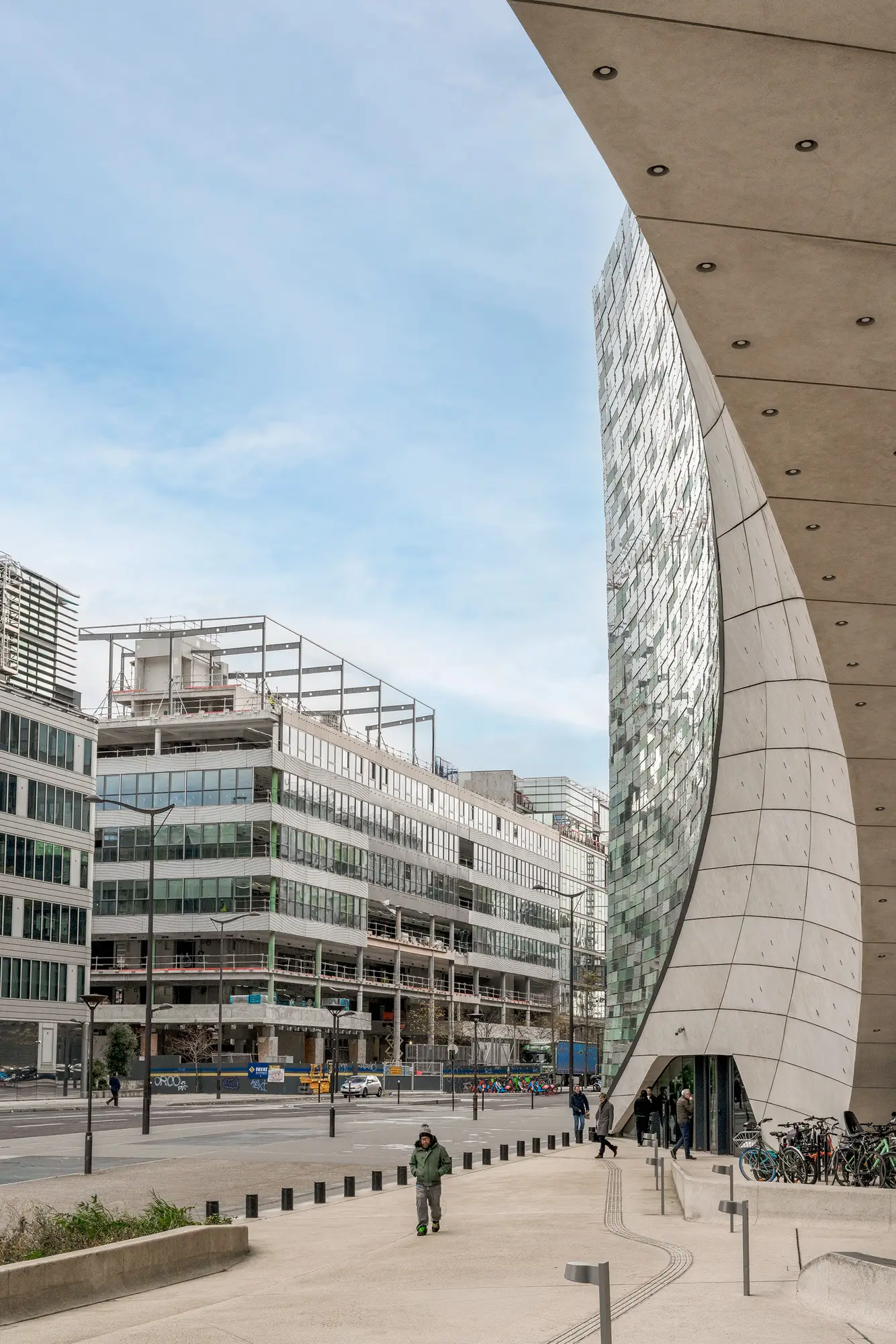
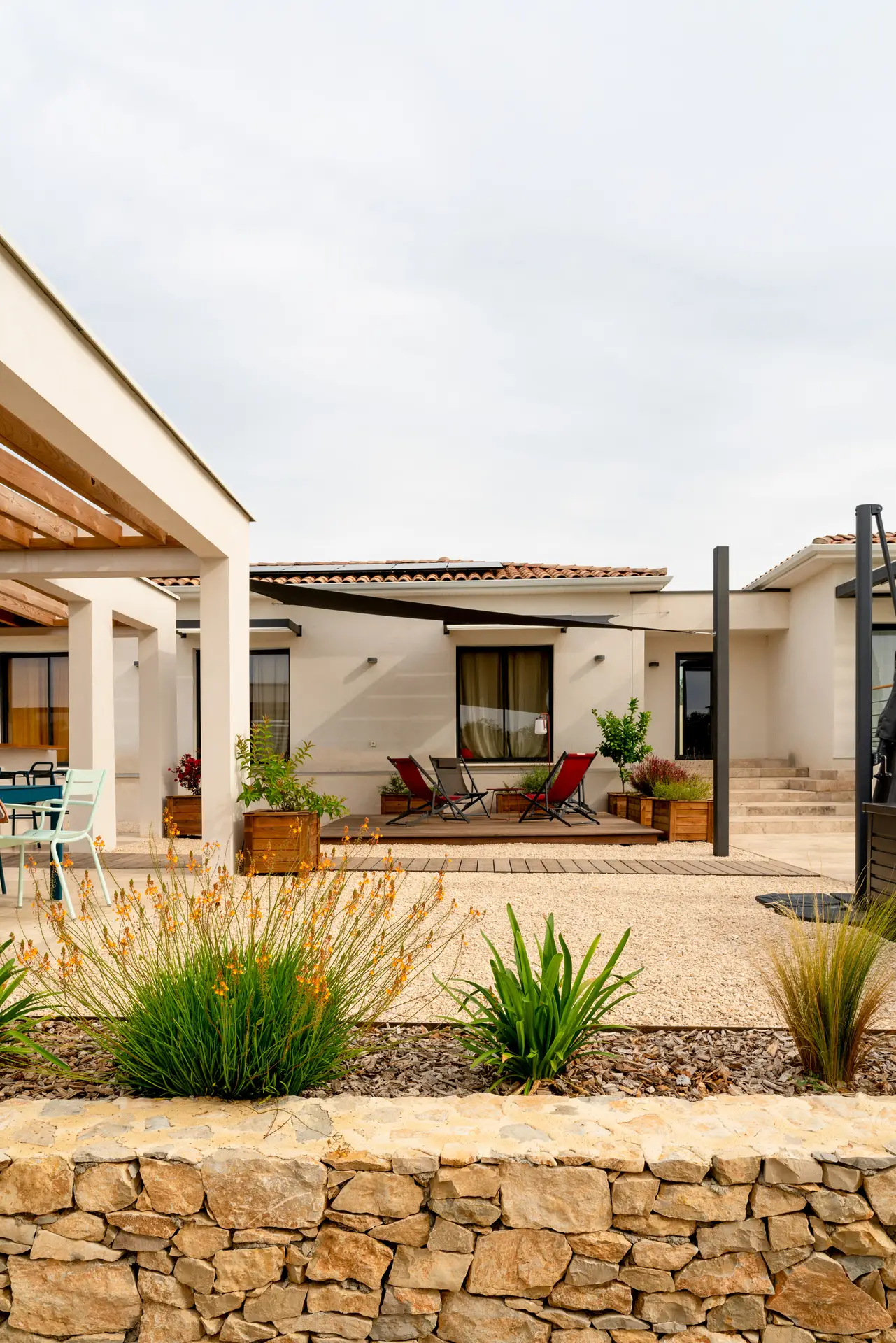
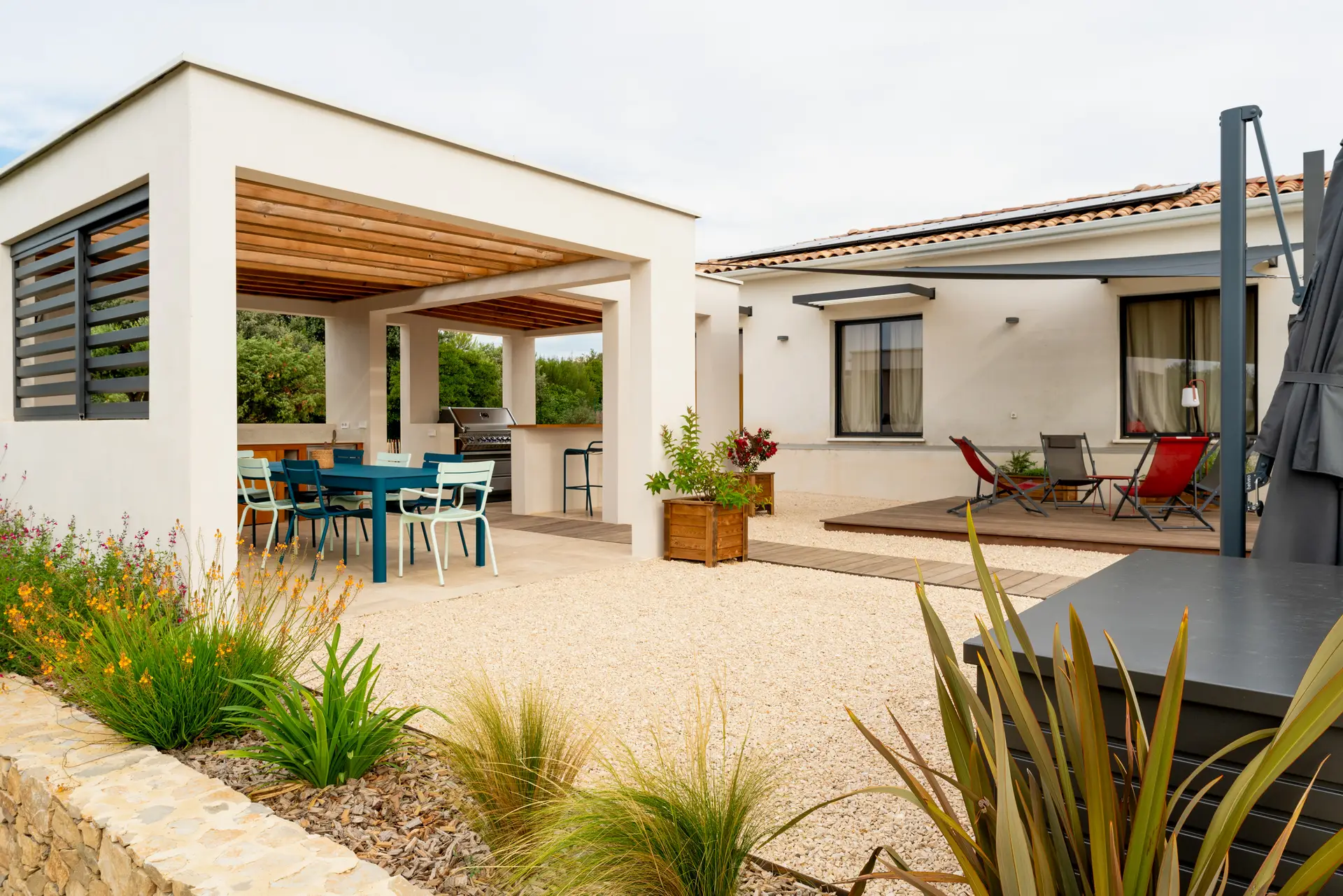
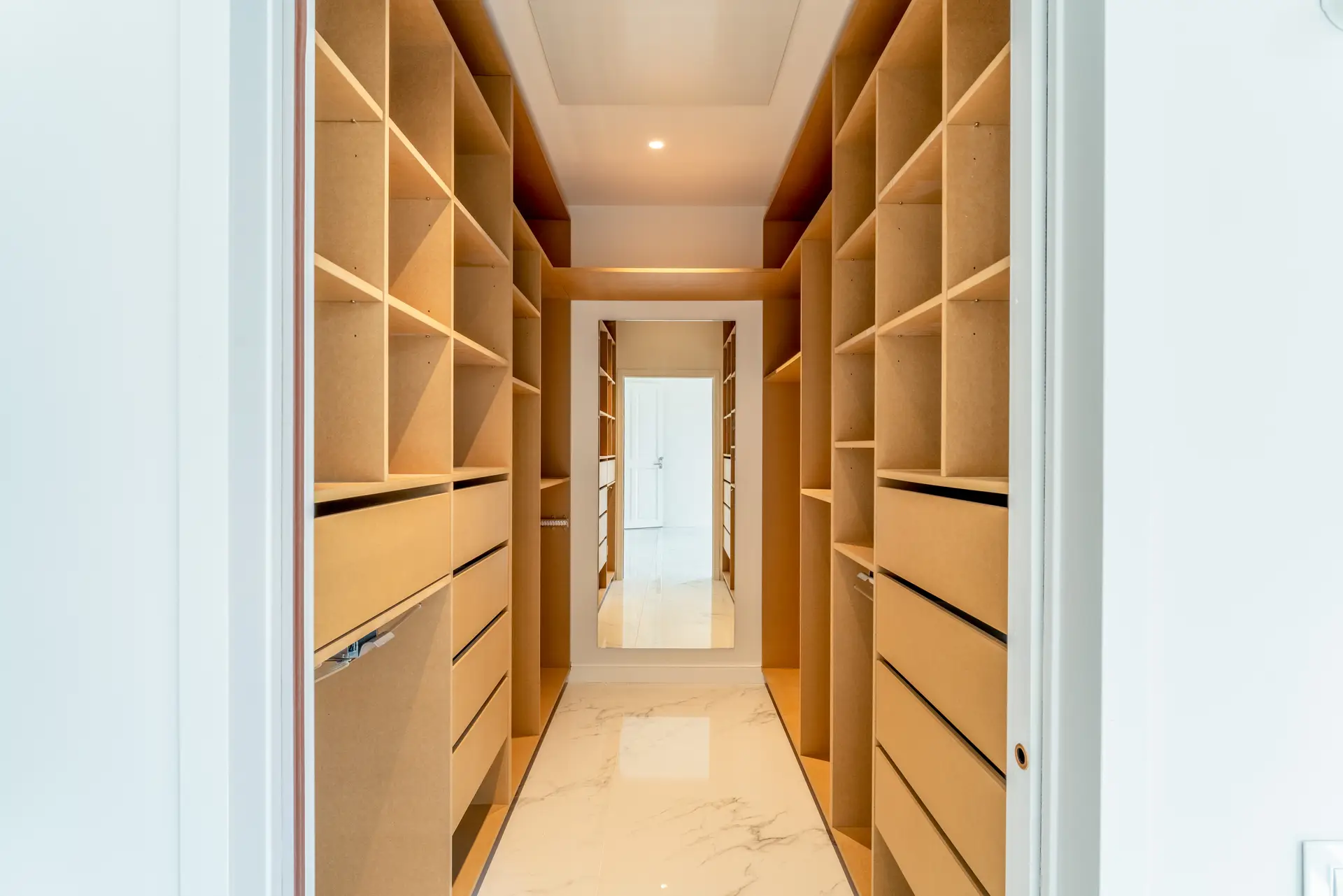
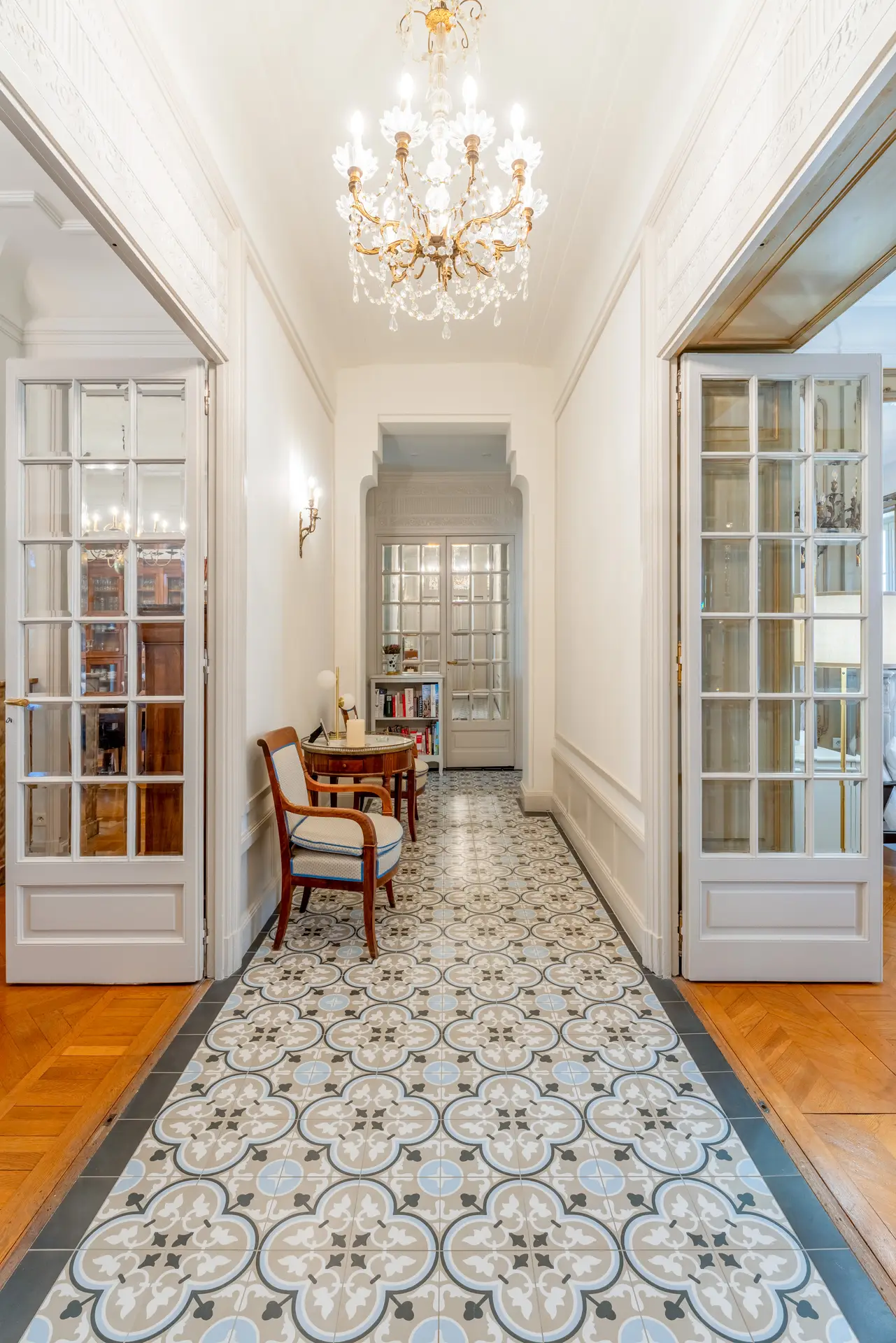
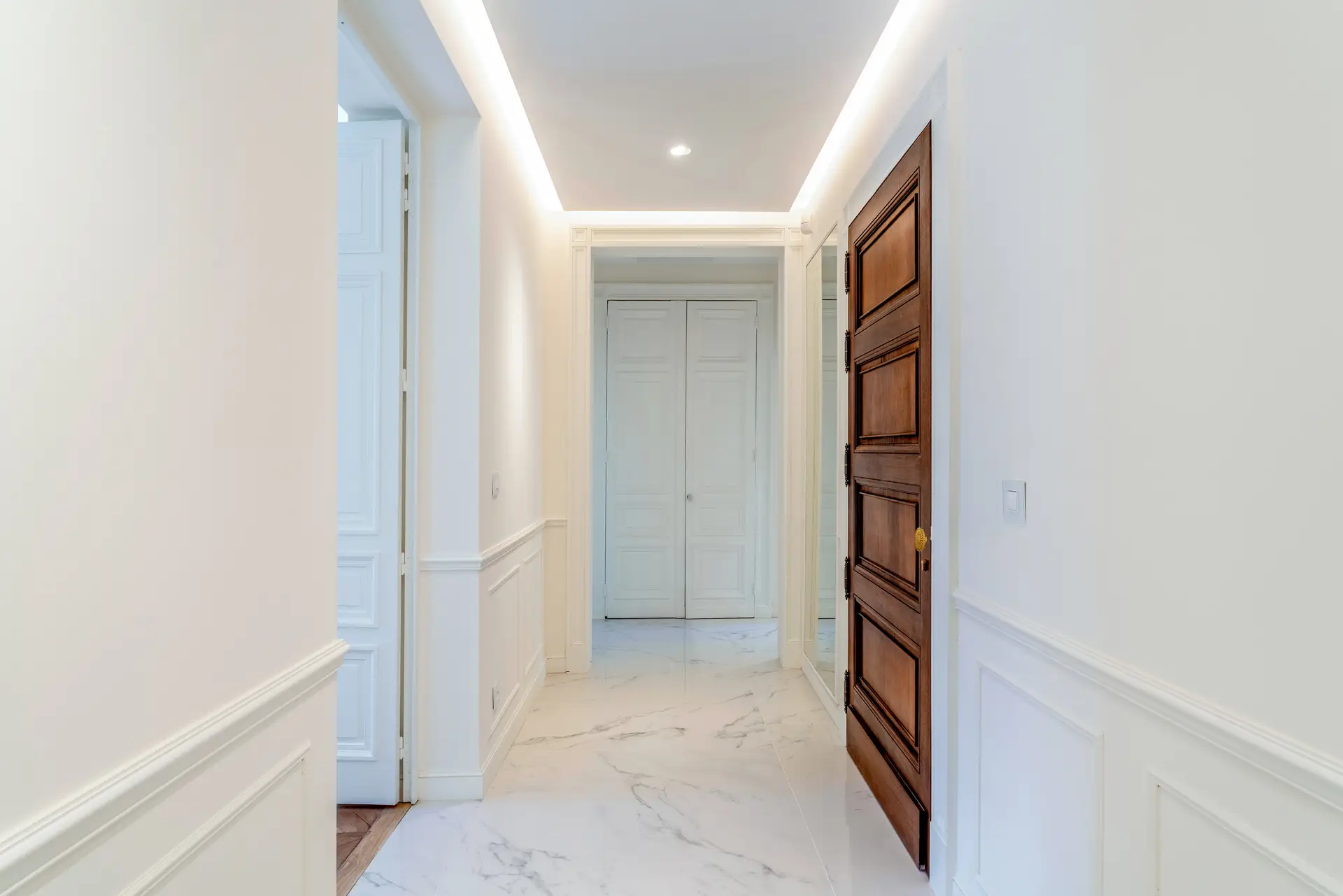
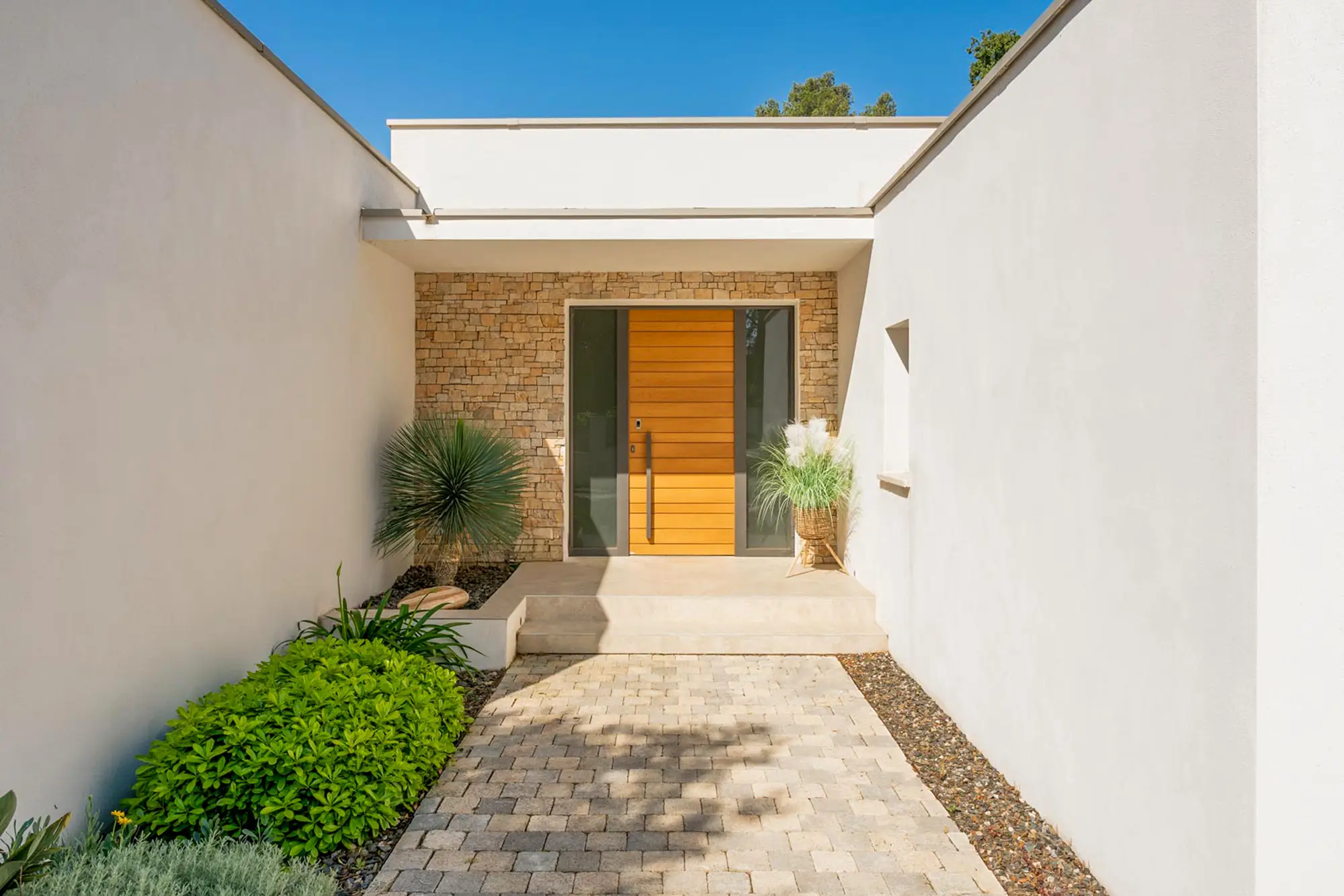
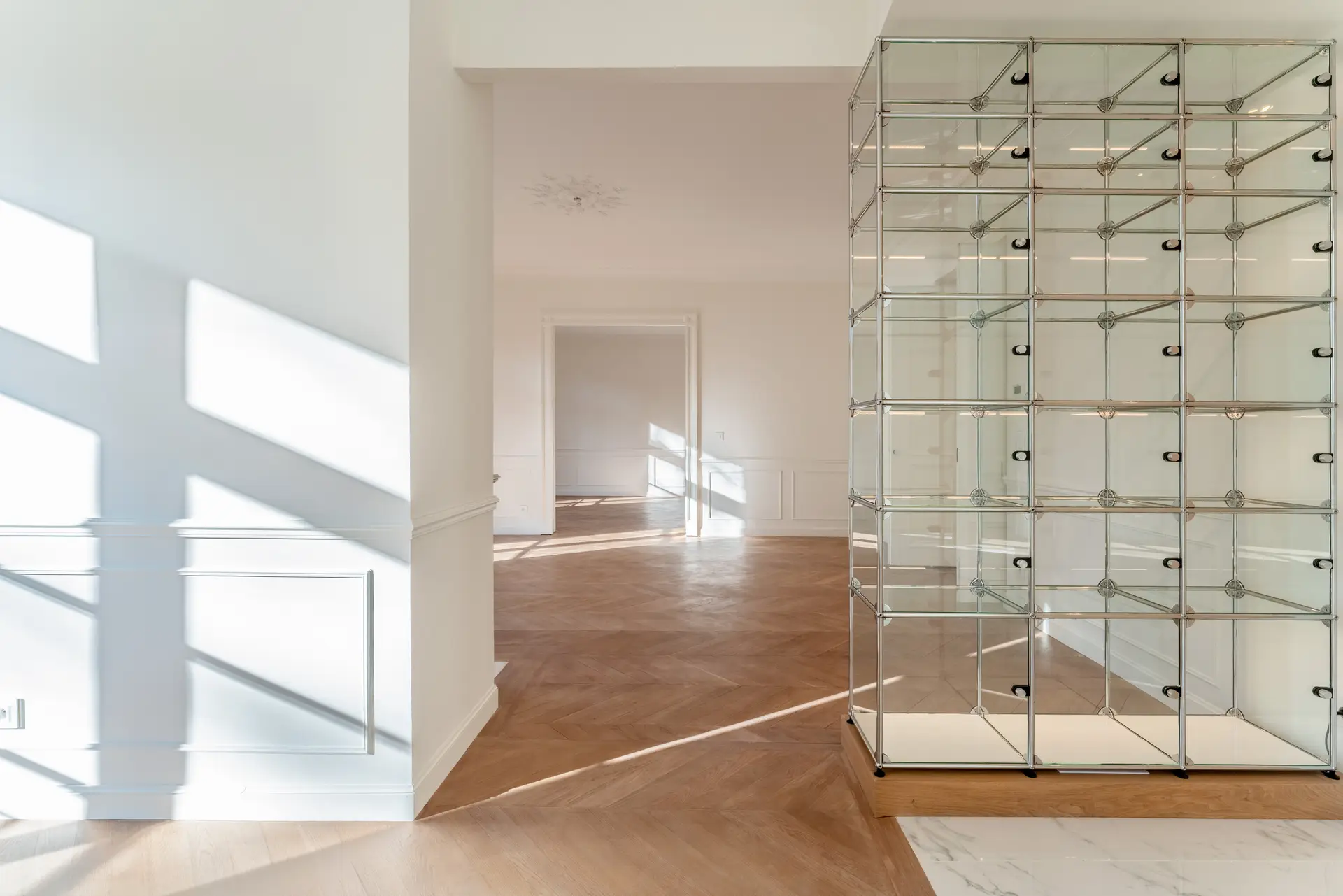
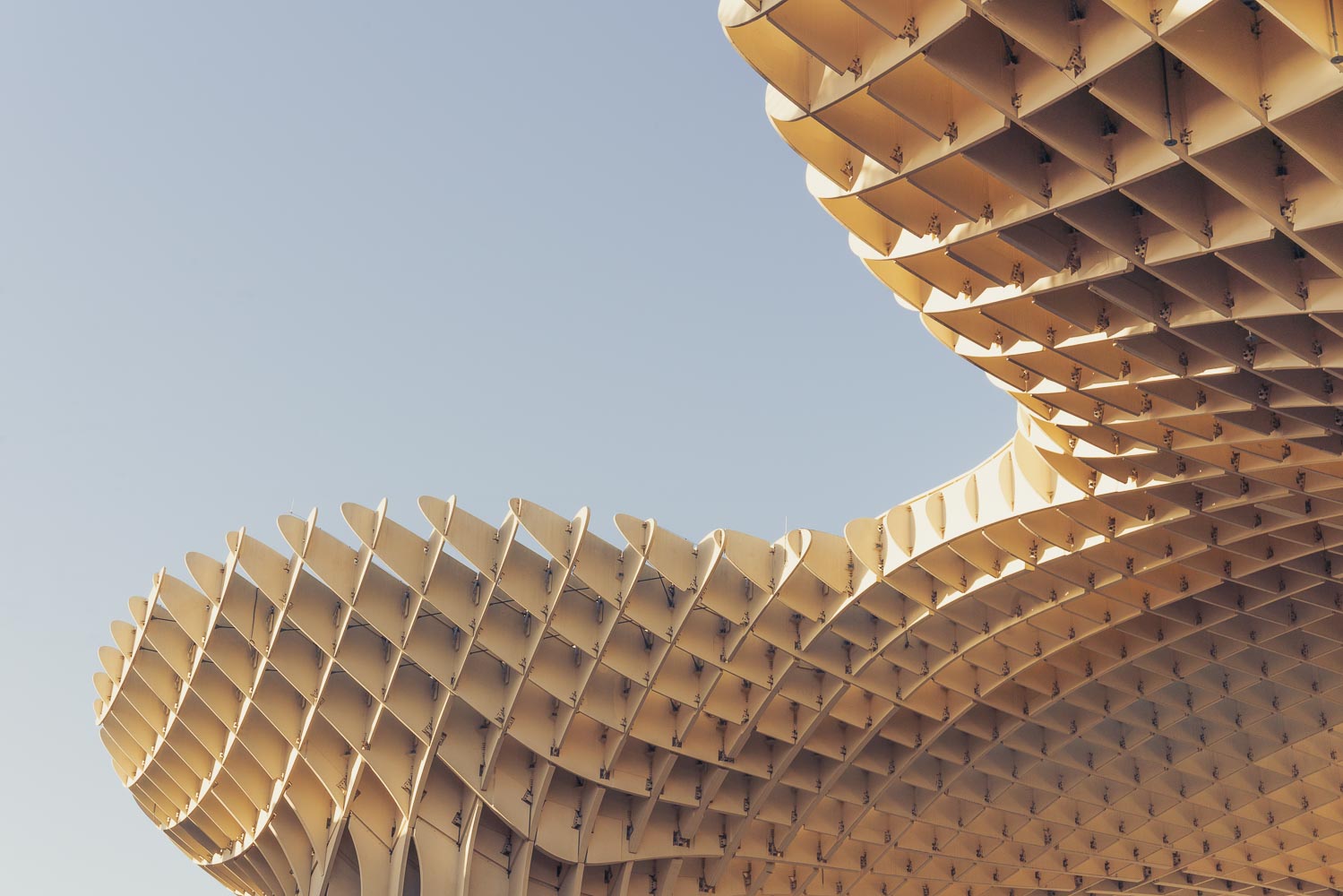
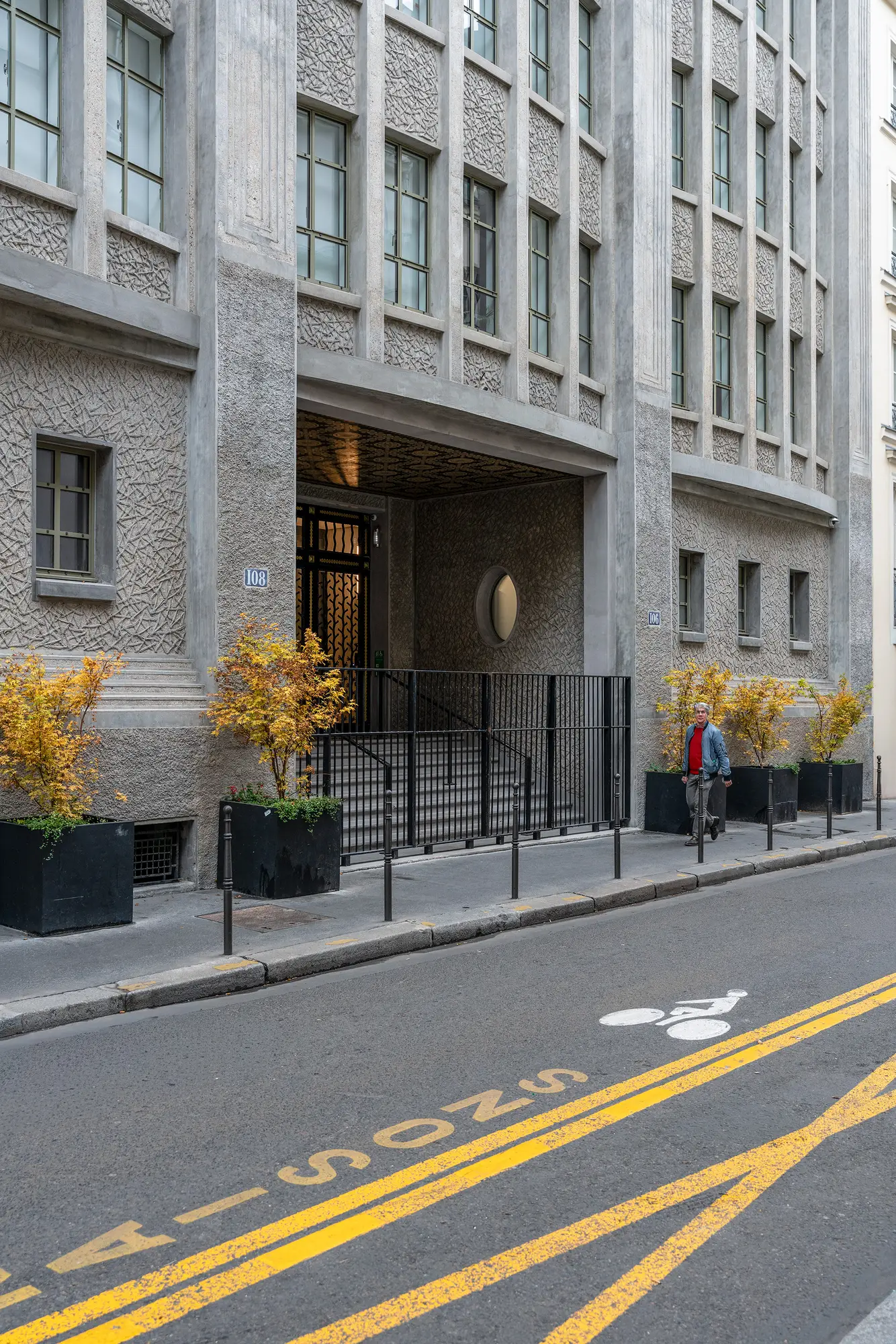
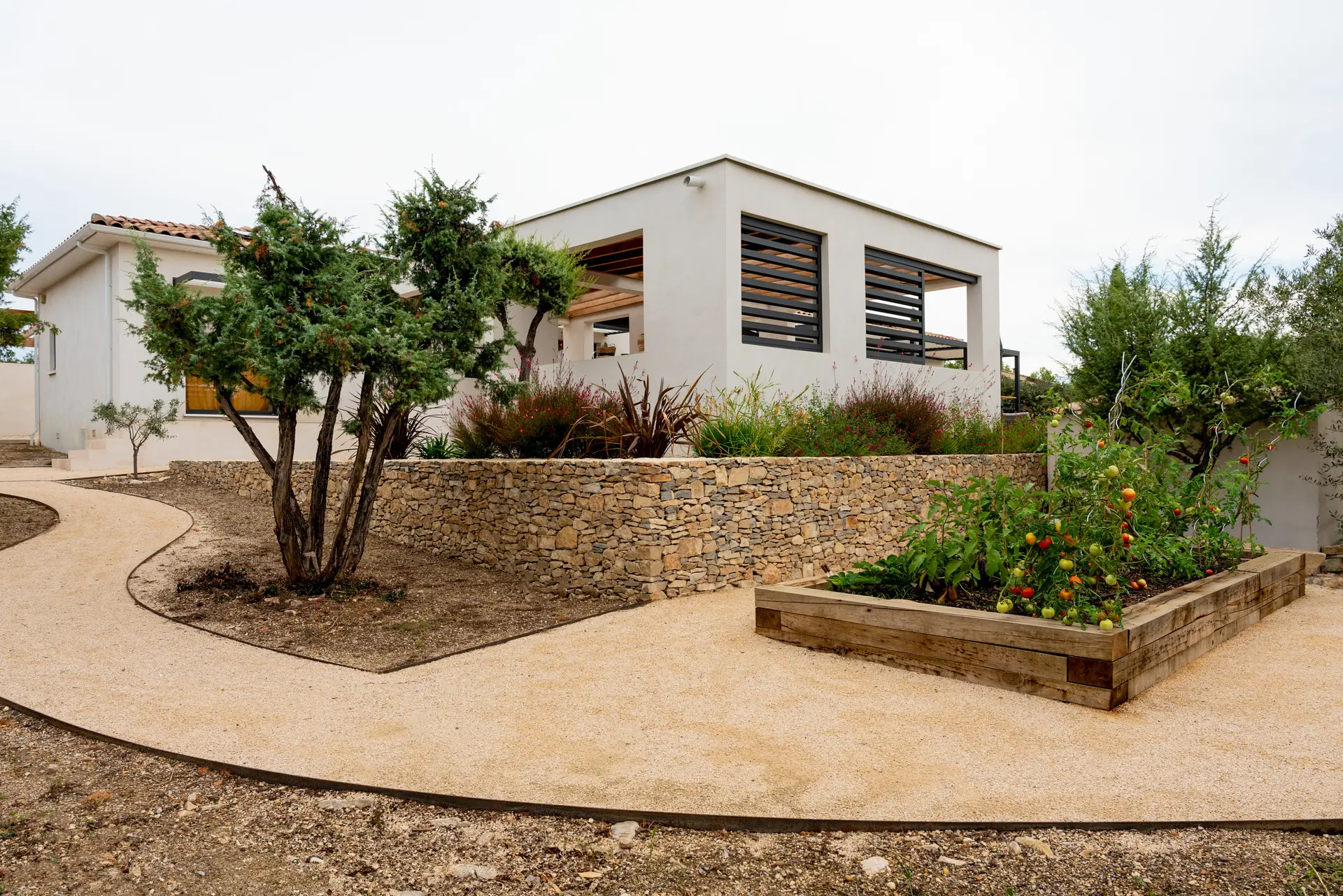
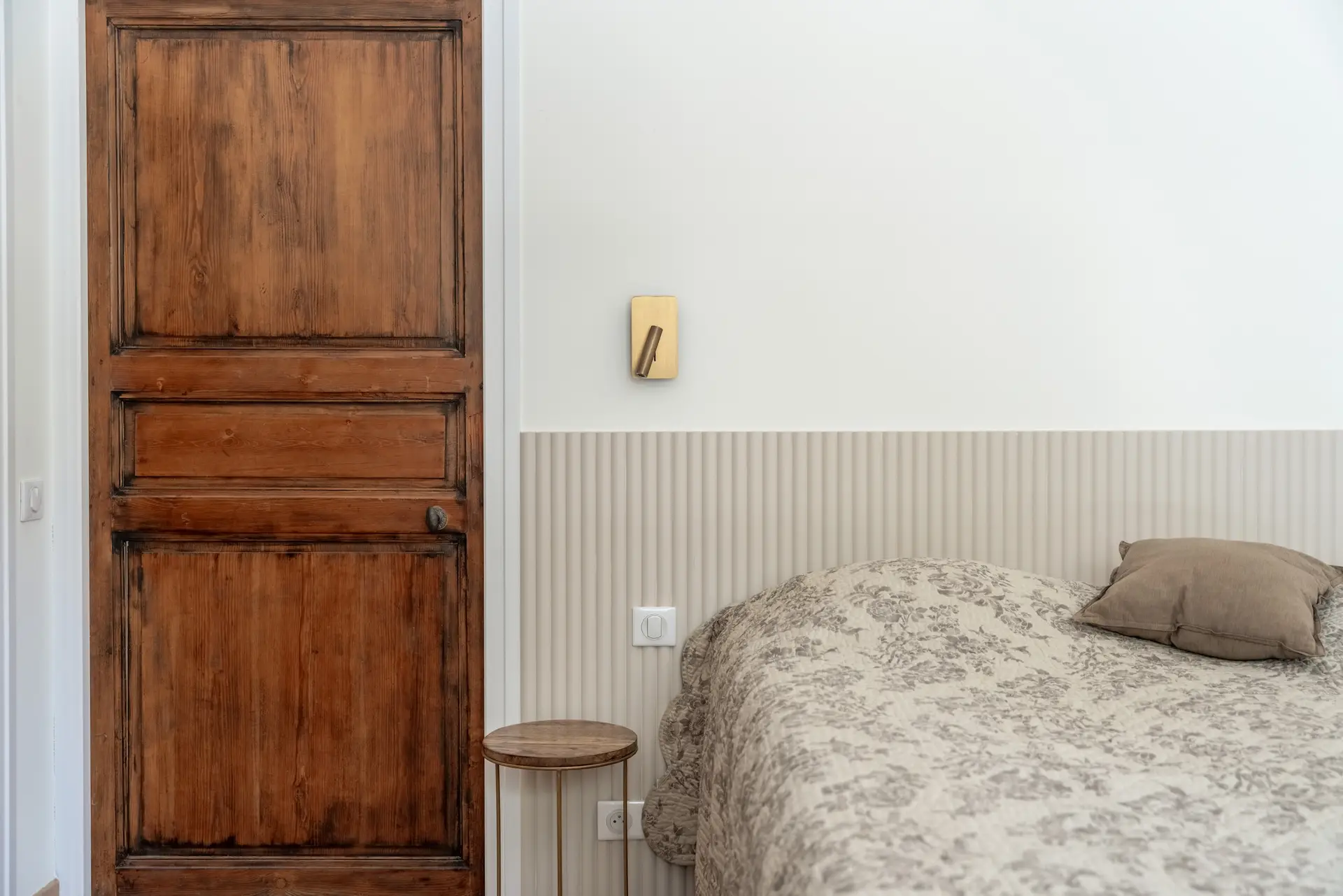
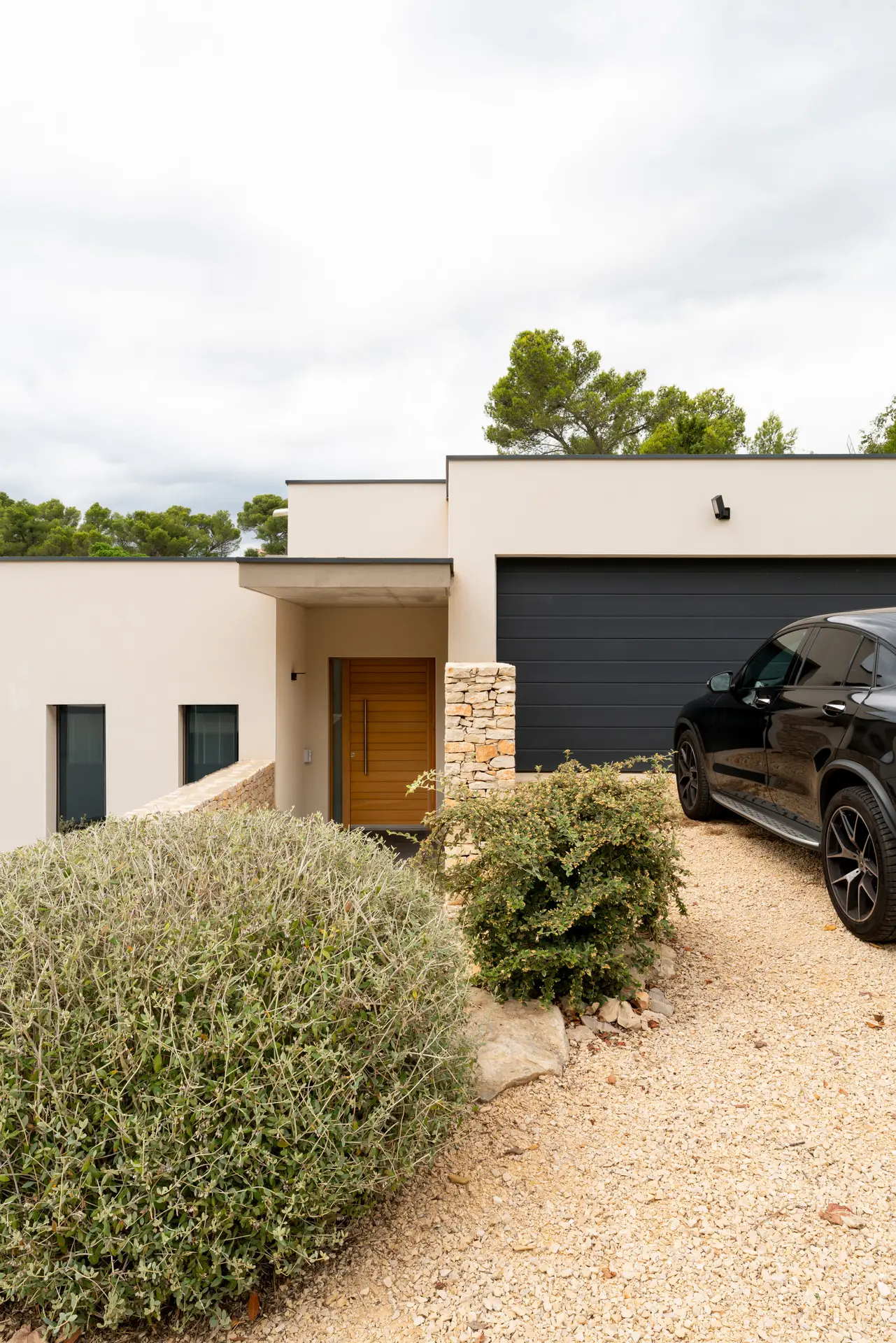
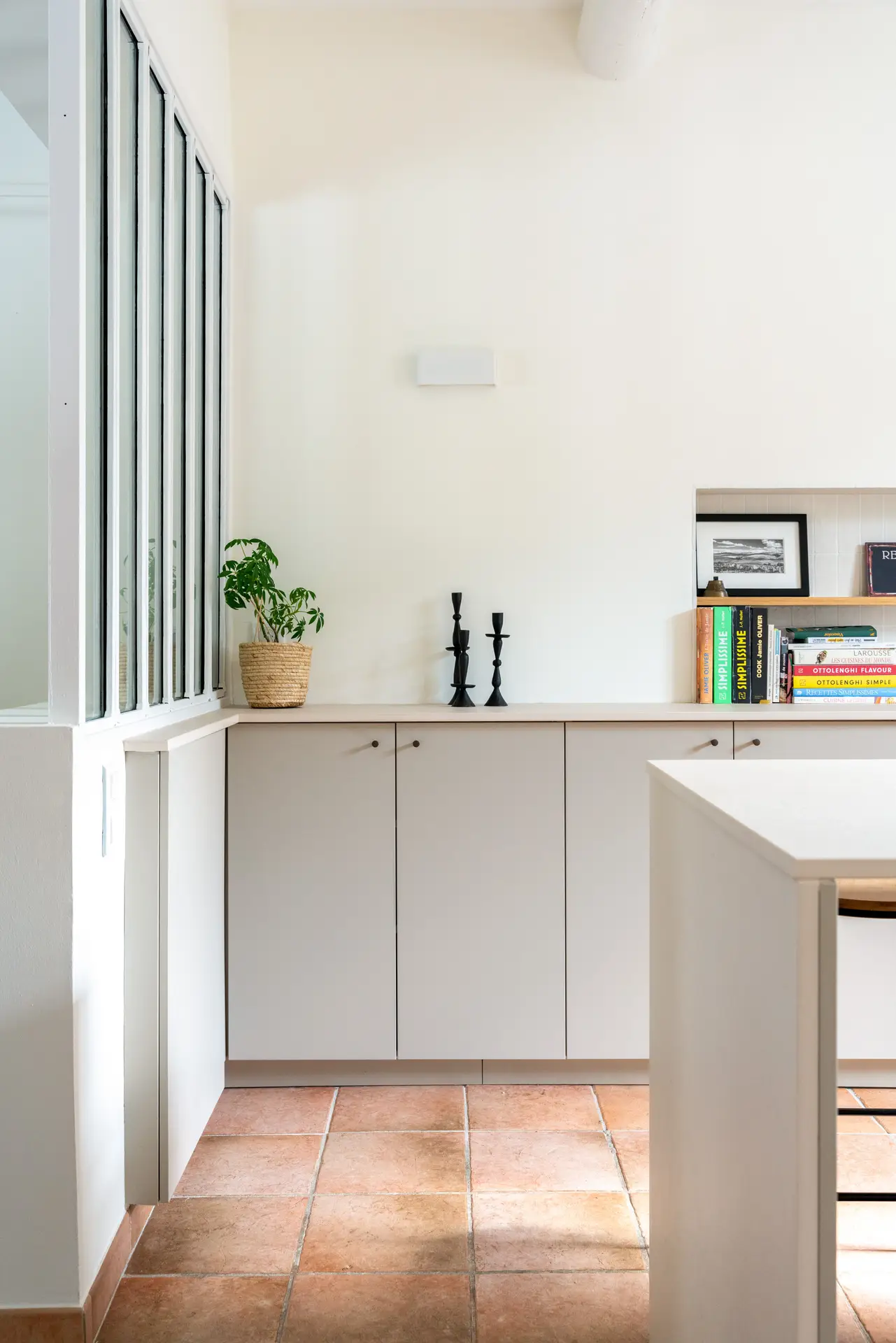
As a professional architectural photographer working in France and abroad, I strive to highlight the architect’s will and the strength of his project through photography and its composition. 

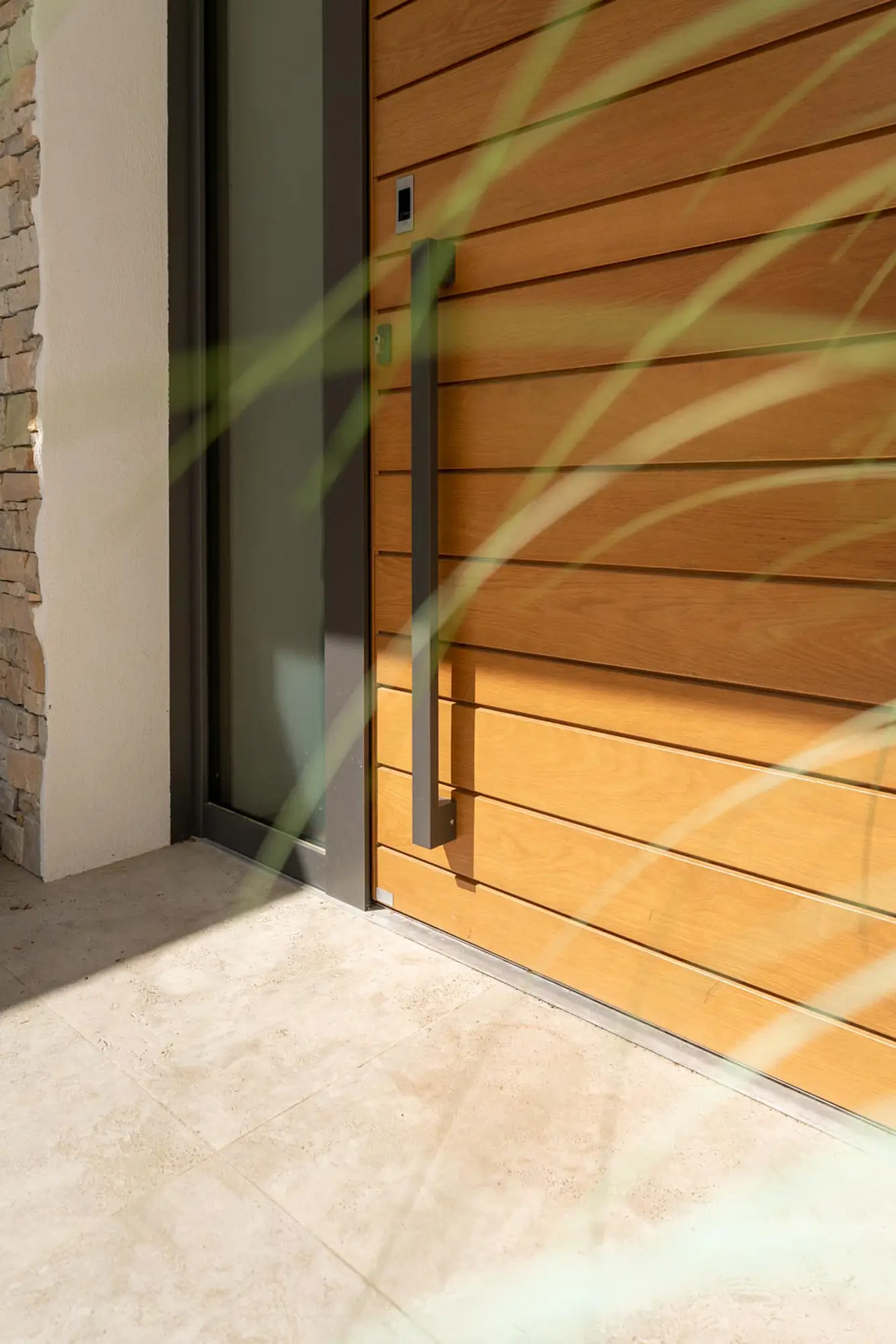
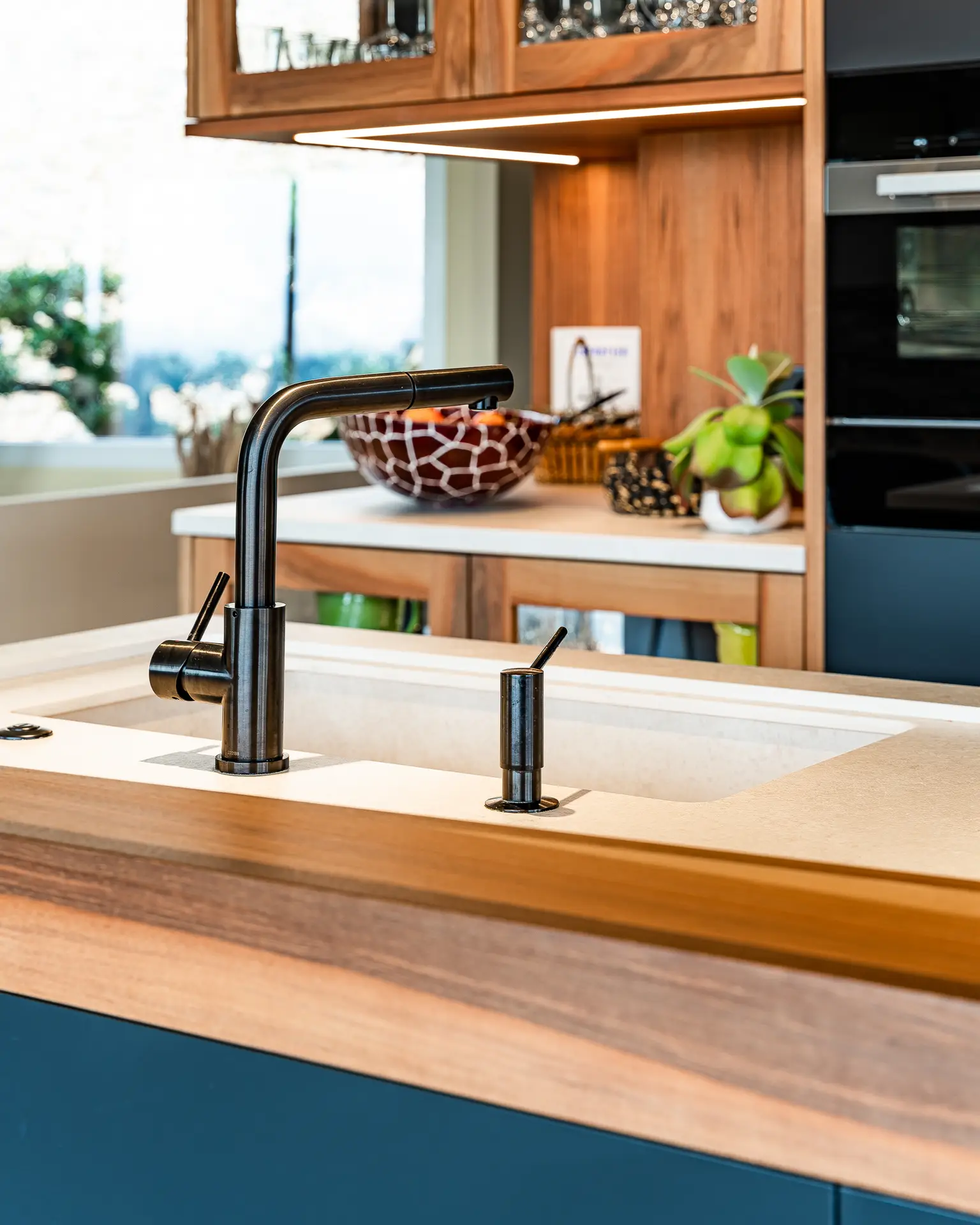
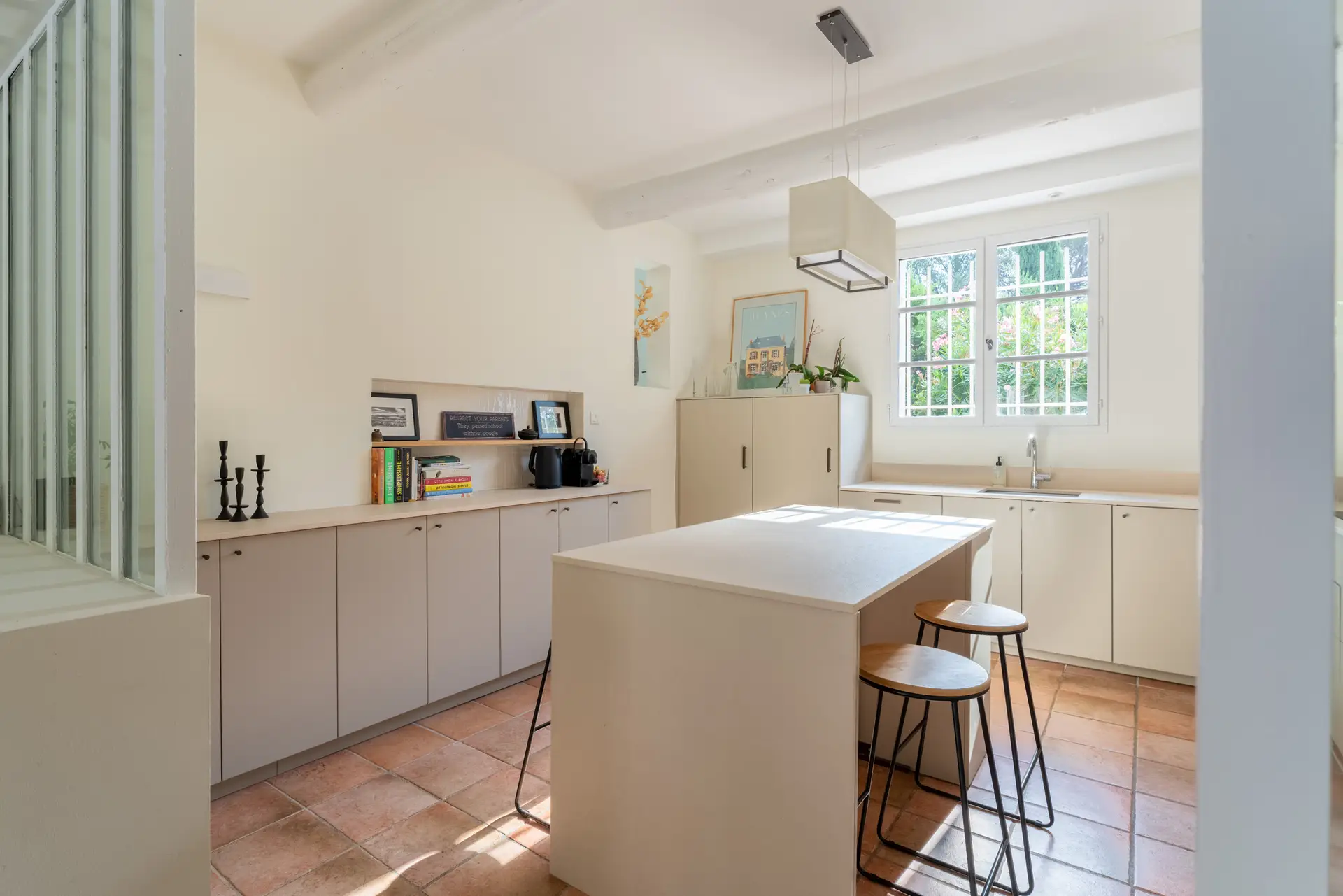
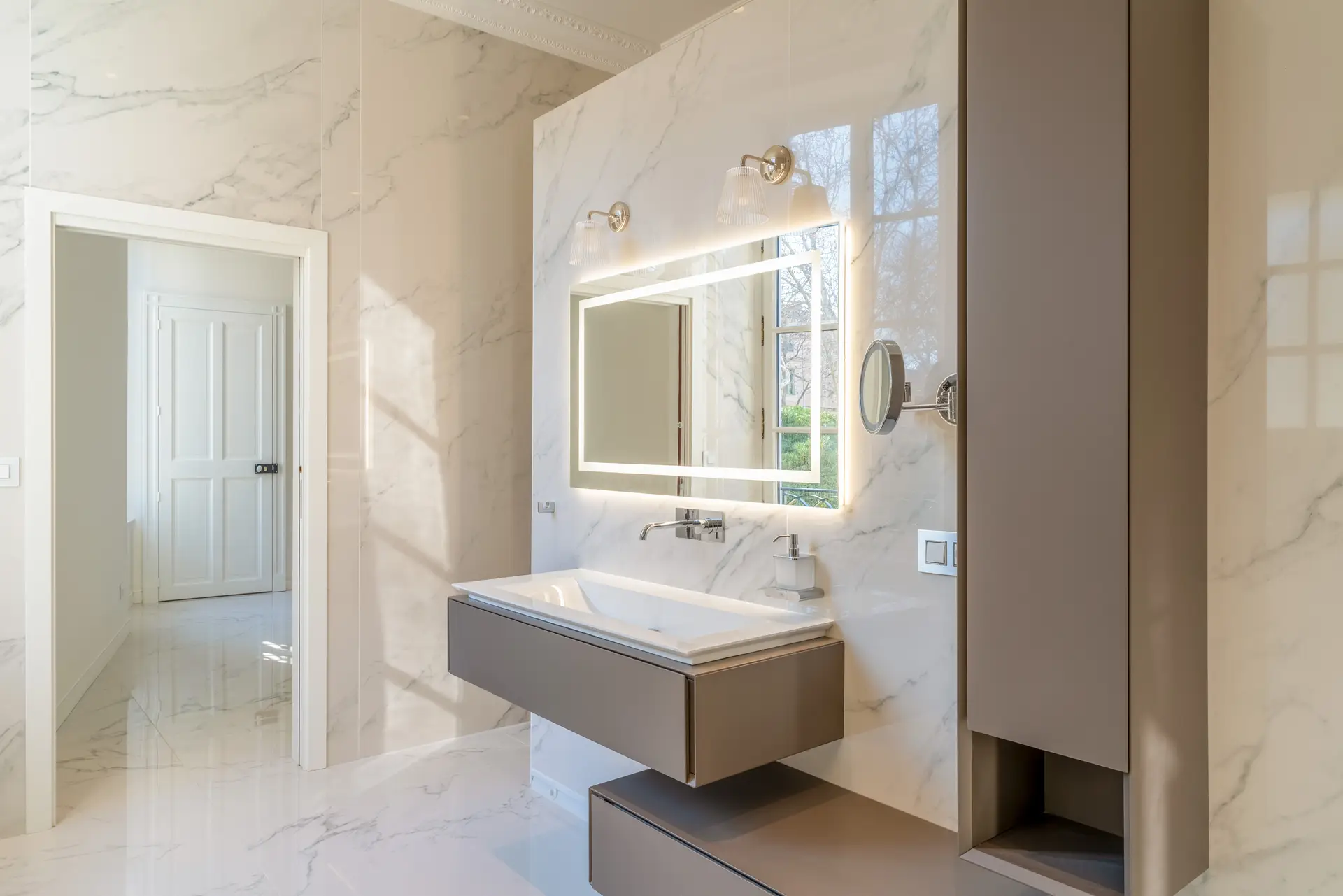
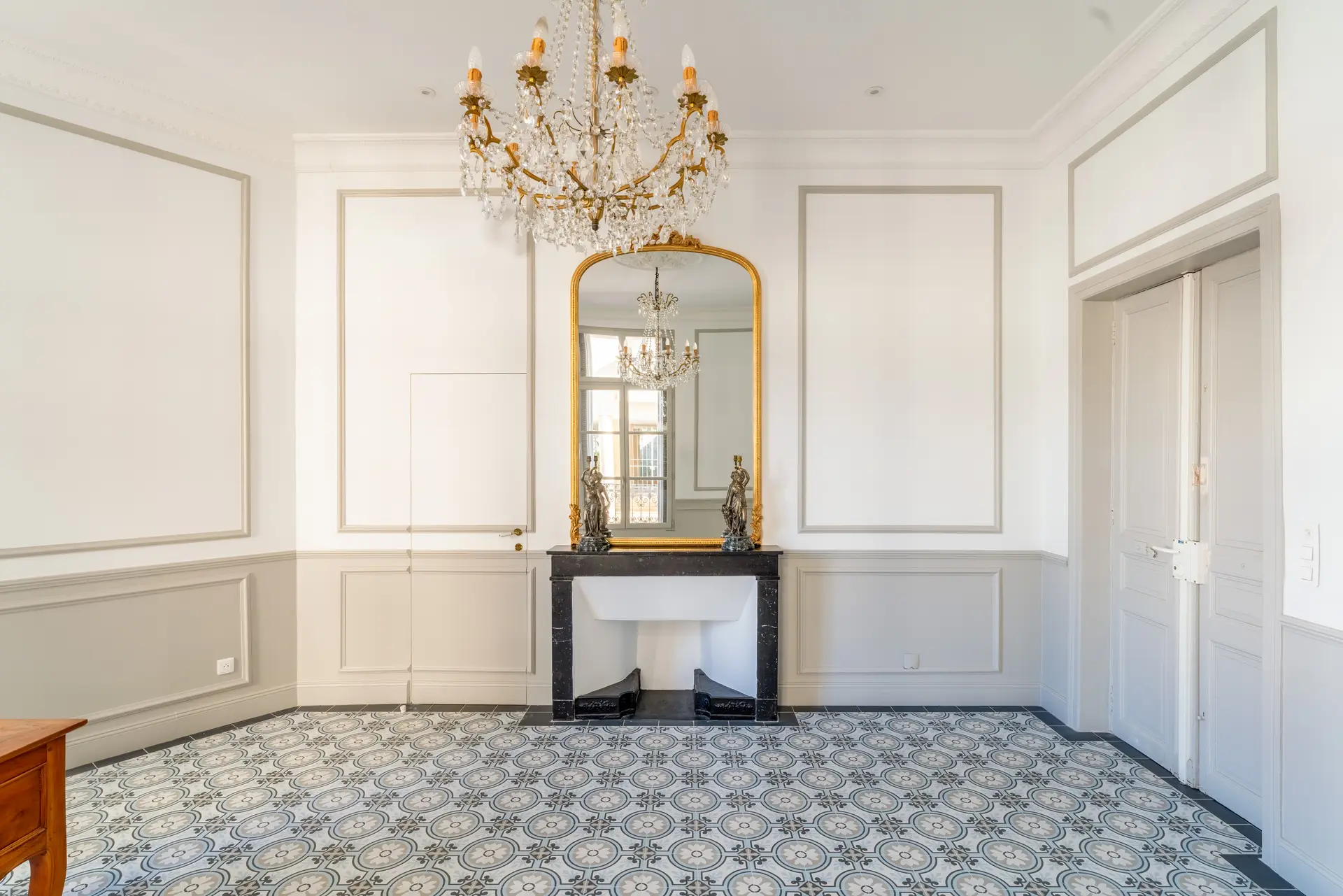
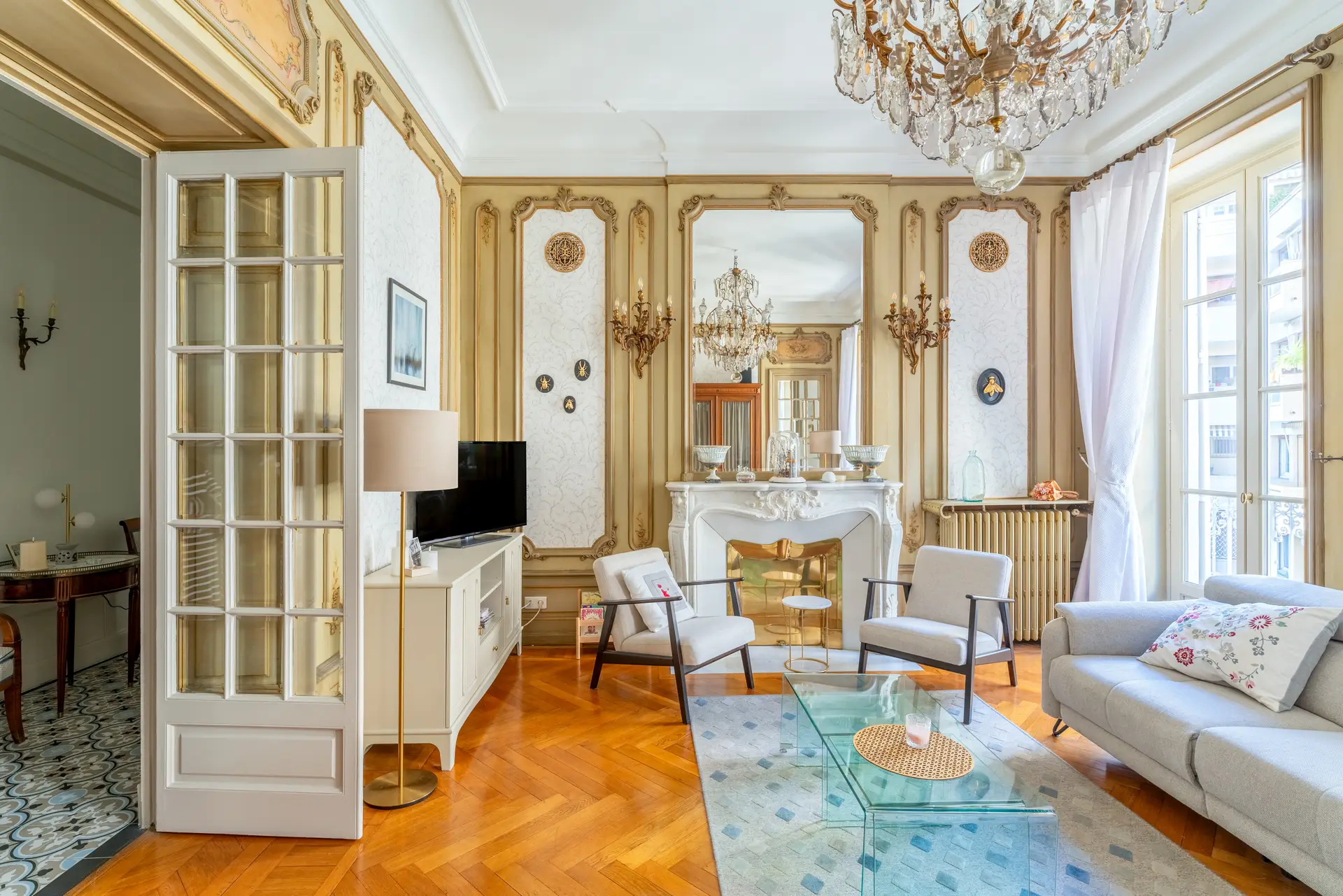
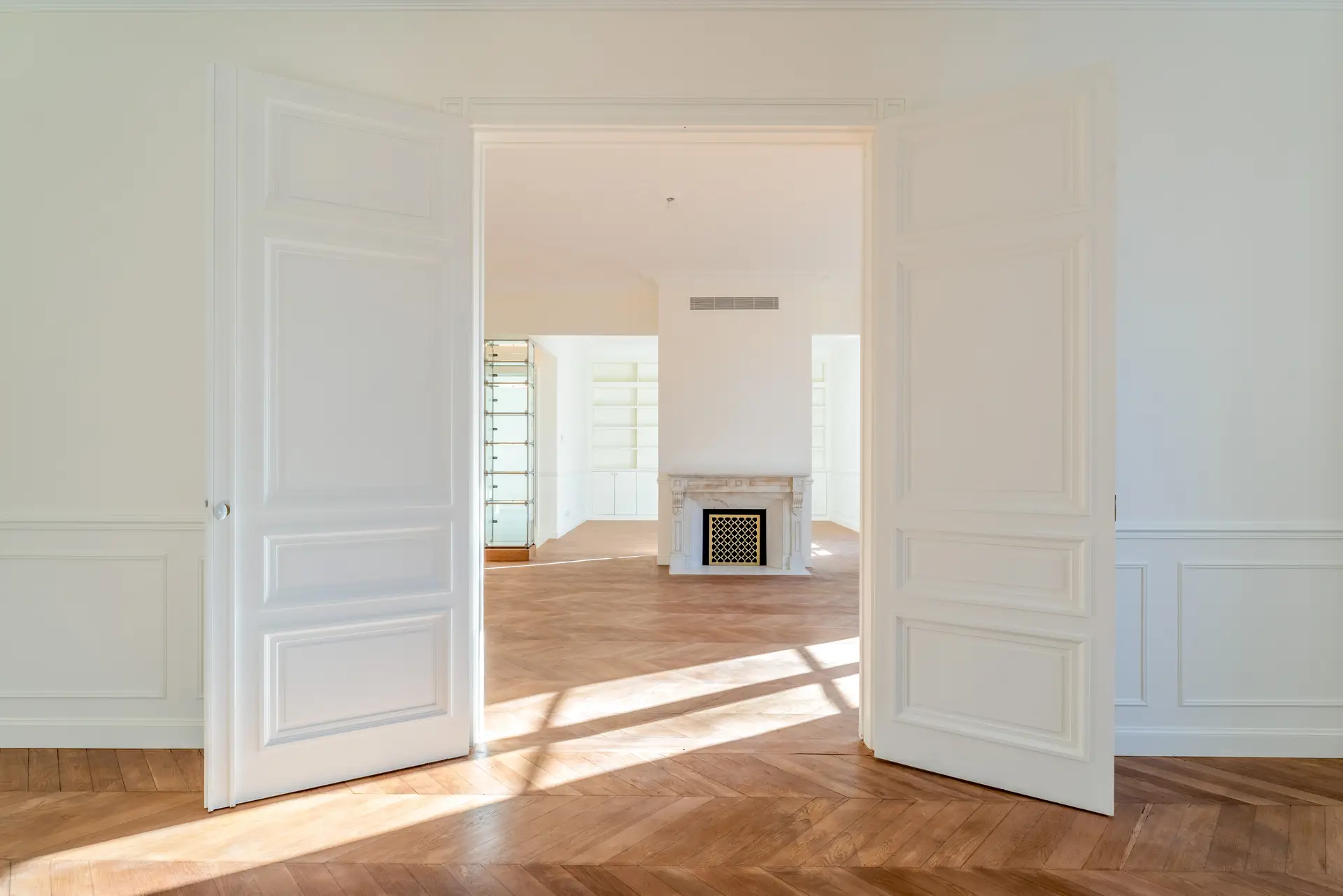
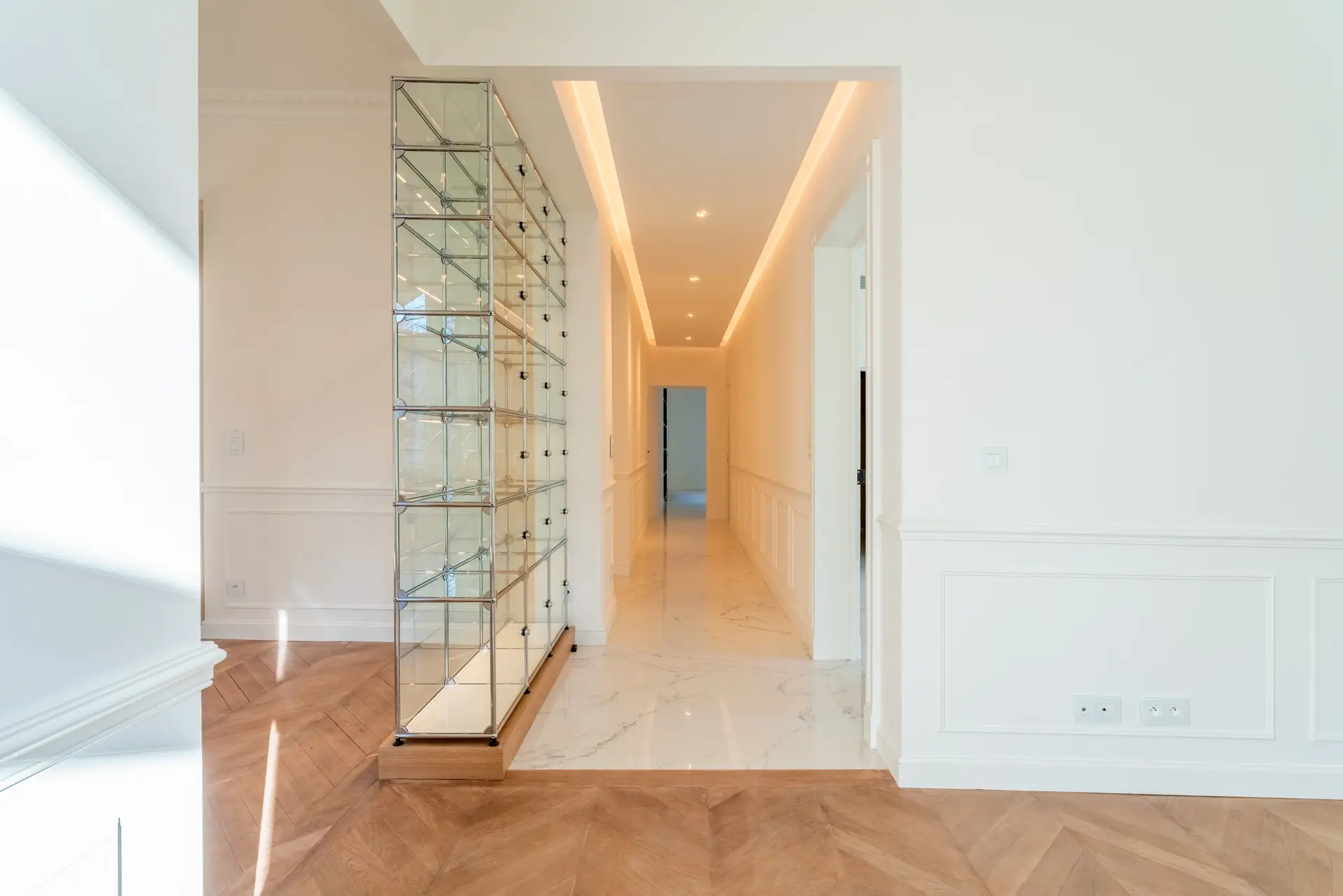
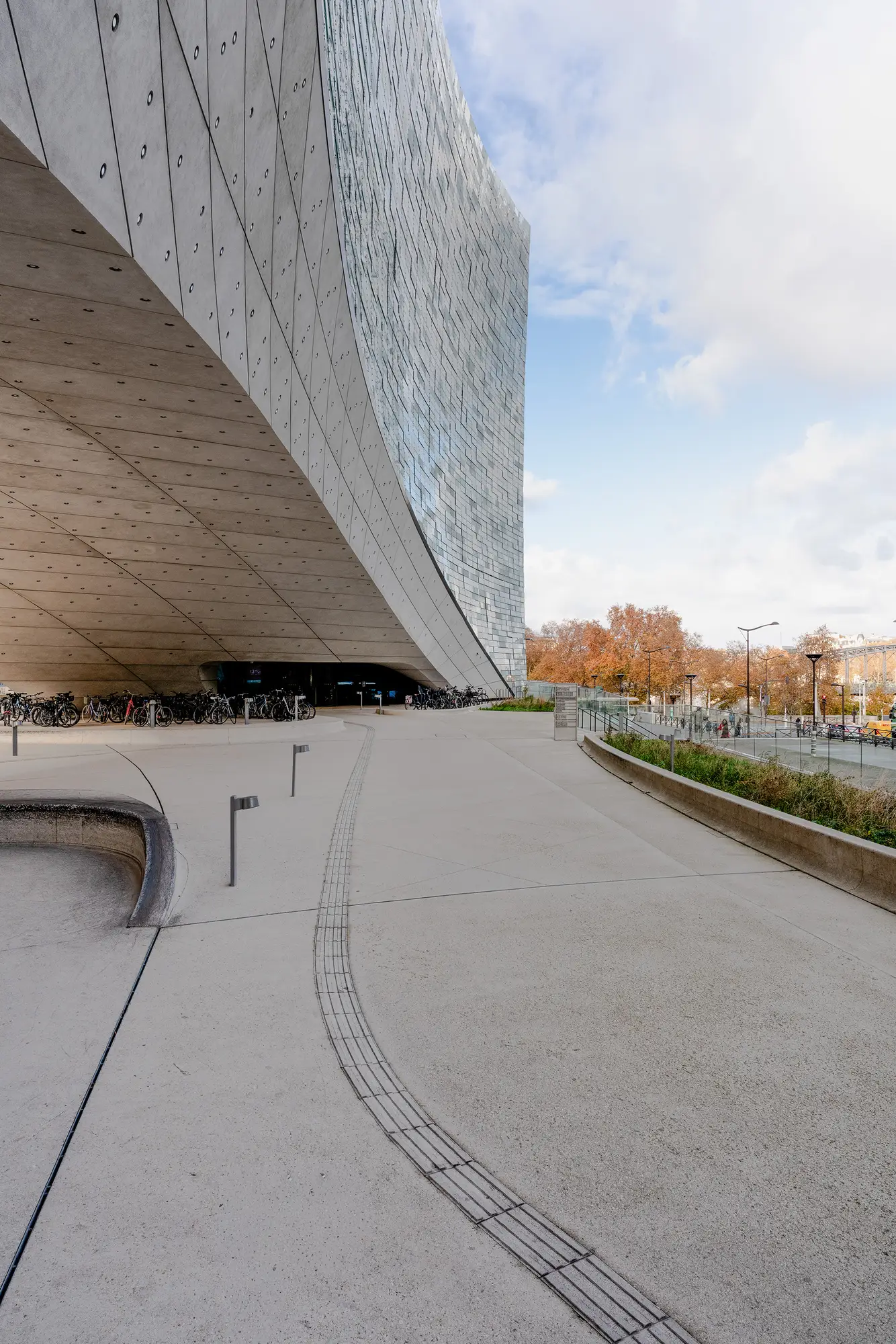
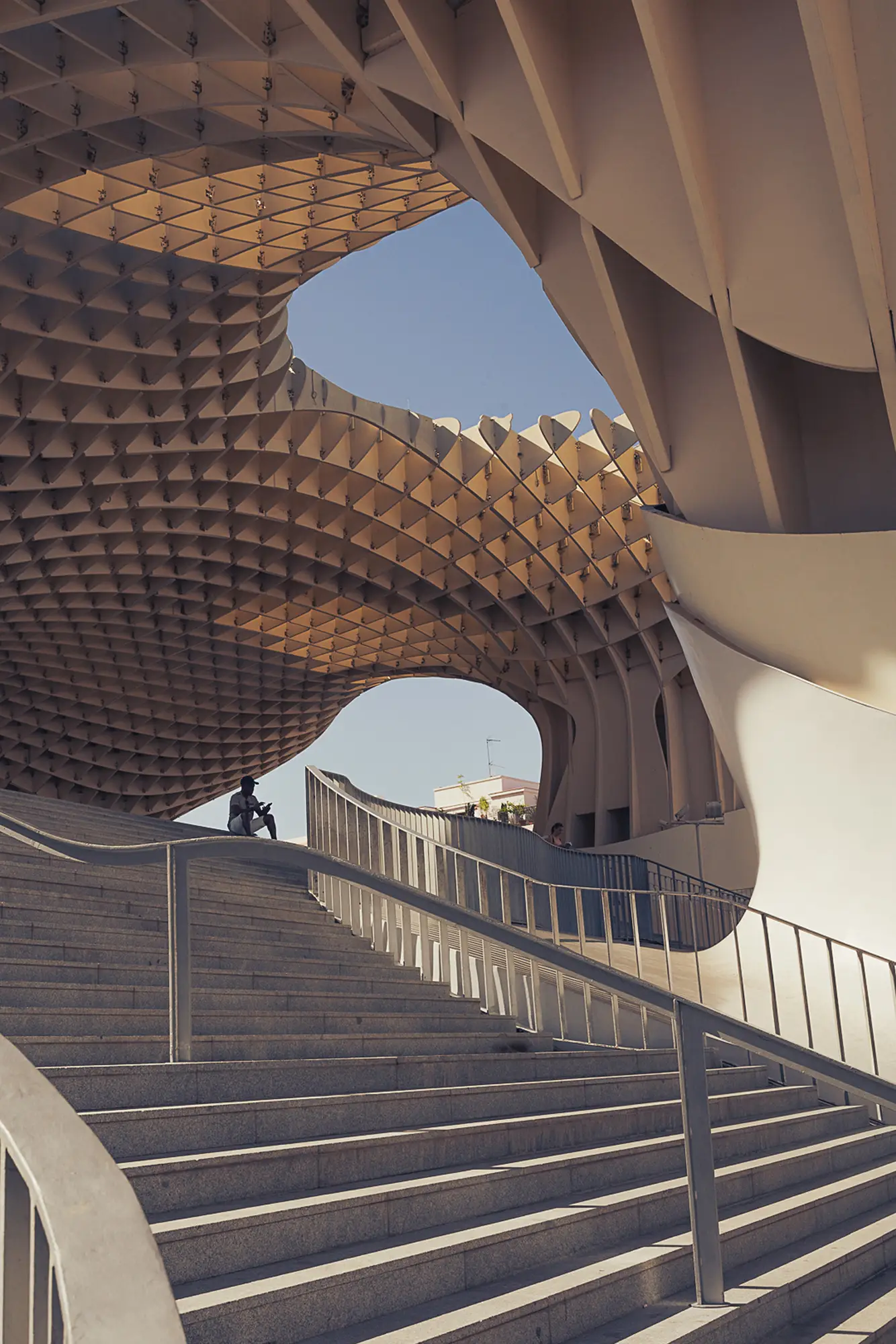
Paying particular attention to the shapes, lines, colors and materials used, as well as to the details of the various volumes and structures, is an essential part of architectural photography, just as it is in real estate photography. 

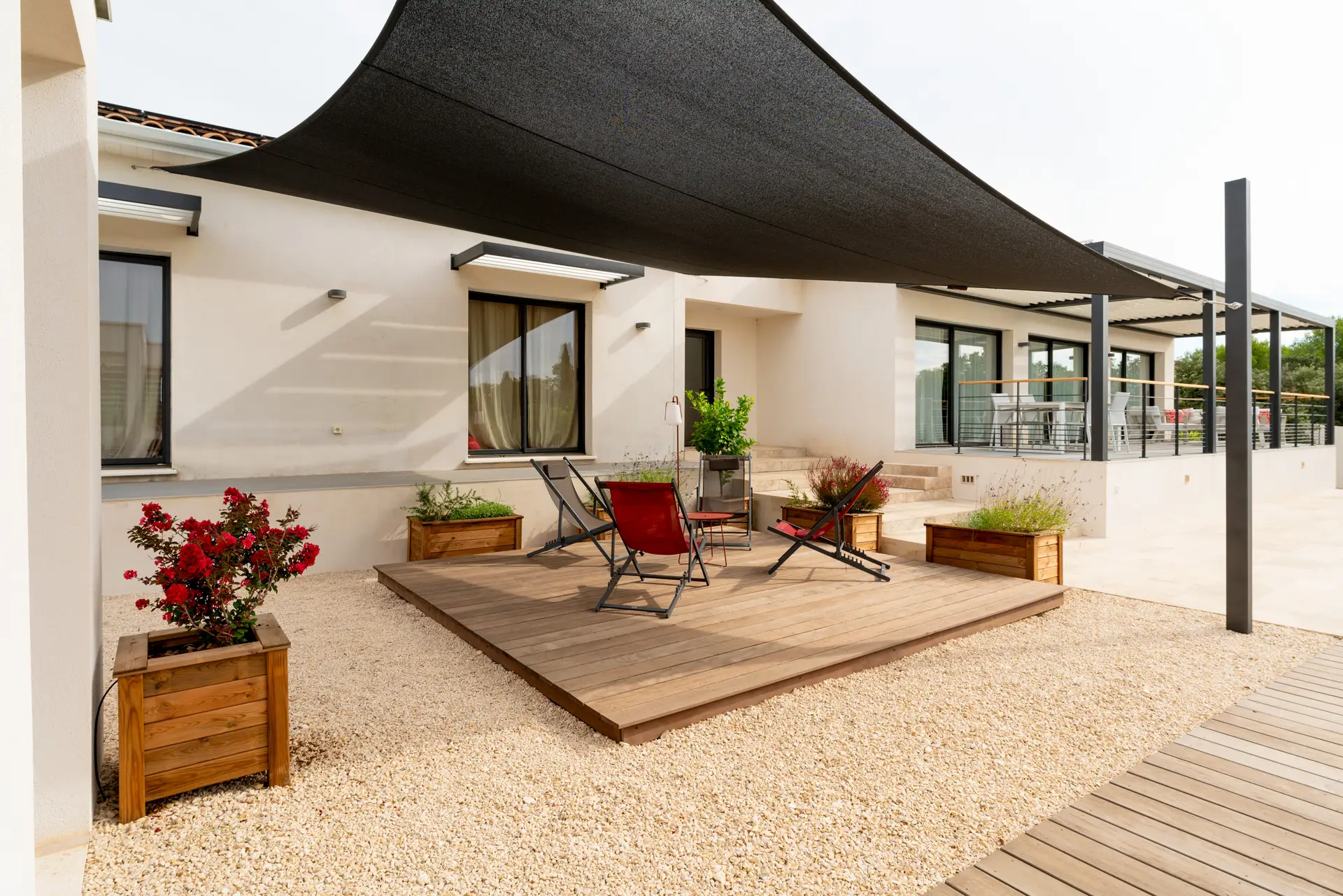
Whether for a hotel, a house, buildings, art galleries or other spaces, the architect’s work products must be enhanced by image, and customers must be satisfied.

The invisible art that sublimates the visible

Architectural photography is a demanding discipline, where technical rigor meets artistic sensitivity. The objective? To reveal the architect’s intention, the quality of materials and the harmony of volumes, while respecting the reality of the building. A good architectural photo doesn’t just show: it tells, draws and convinces.

A complete deciphering of the specifics, skills, key steps and secrets that transform a simple shot into a work of art in its own right.

The specificities of architectural photography

The quest for fair representation

Unlike real estate photography (which aims to sell a property), architectural photography seeks to :

  • Capture the essence of the project: how the building interacts with its environment, how it fulfills a function, how it fits into a history.
  • Highlight technical details: play of light, material textures, precision assembly, structural innovations.
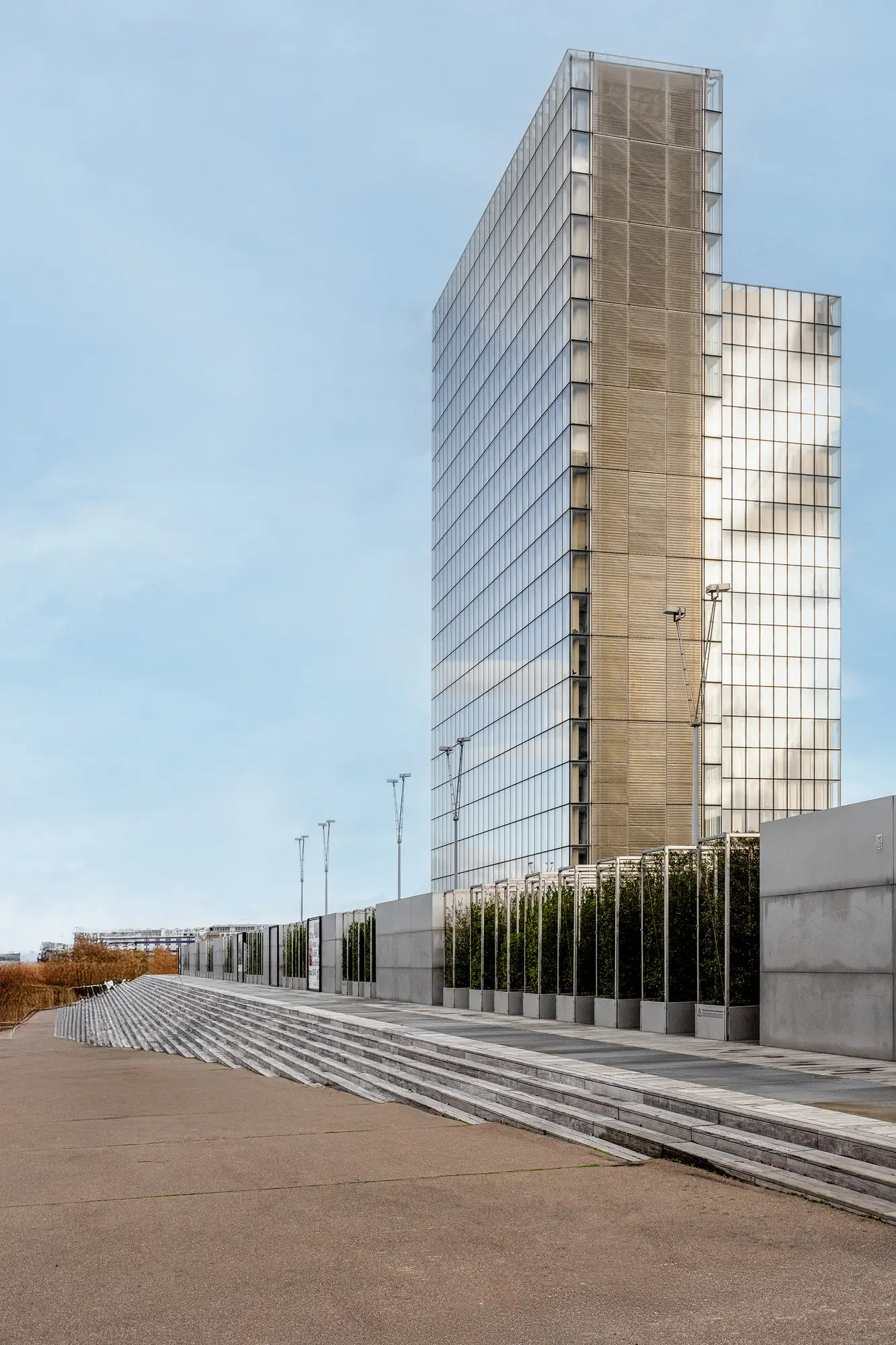
  • Respect proportions and perspective: avoid distortion (the “vertical drop” effect), control angles to avoid betraying reality.

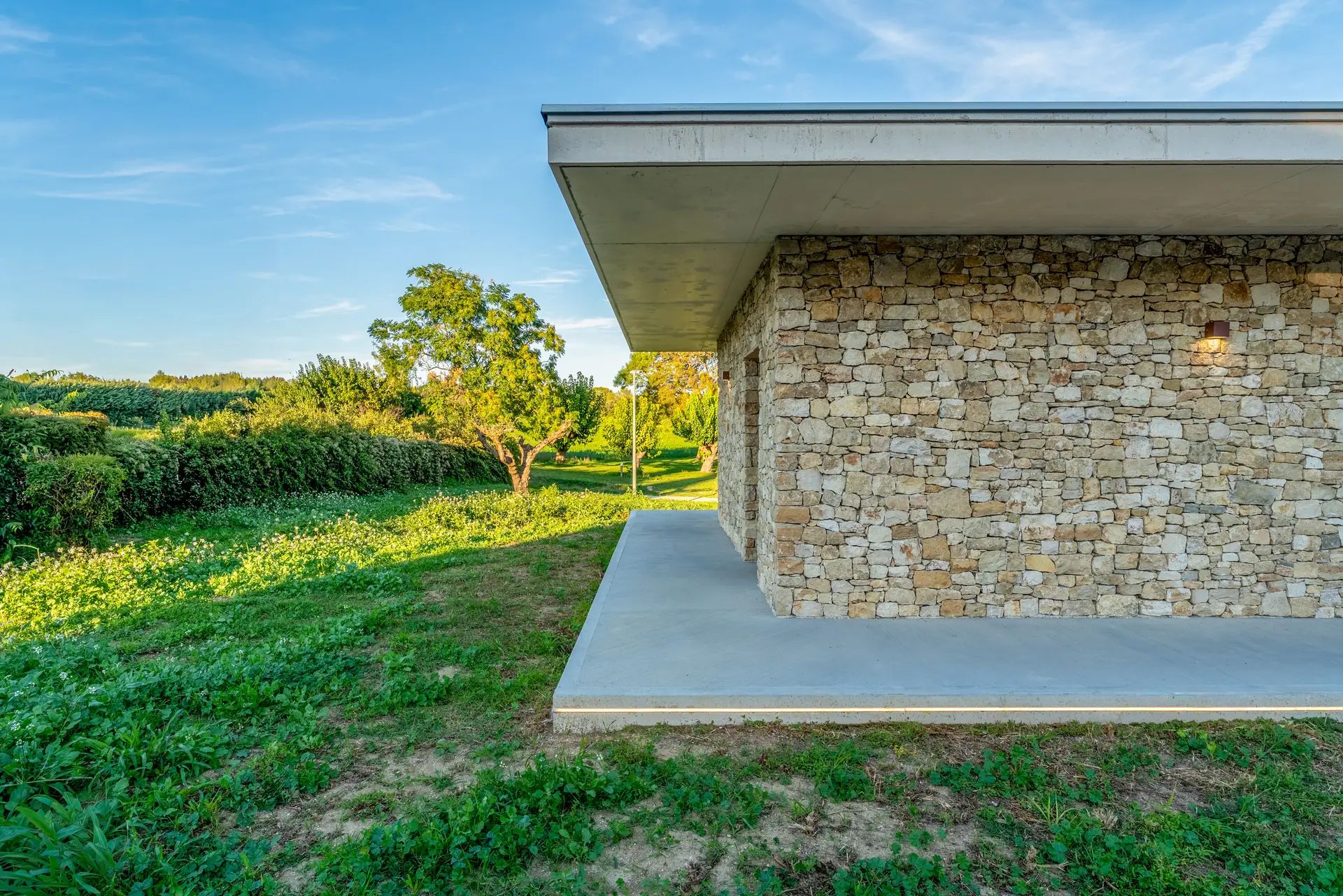
Example: Photographing a rough concrete facade is not just a matter of framing it, but of choosing the moment when the low-angled light reveals the roughness of the material, or playing with cast shadows to emphasize the volumes.

Unique technical constraints

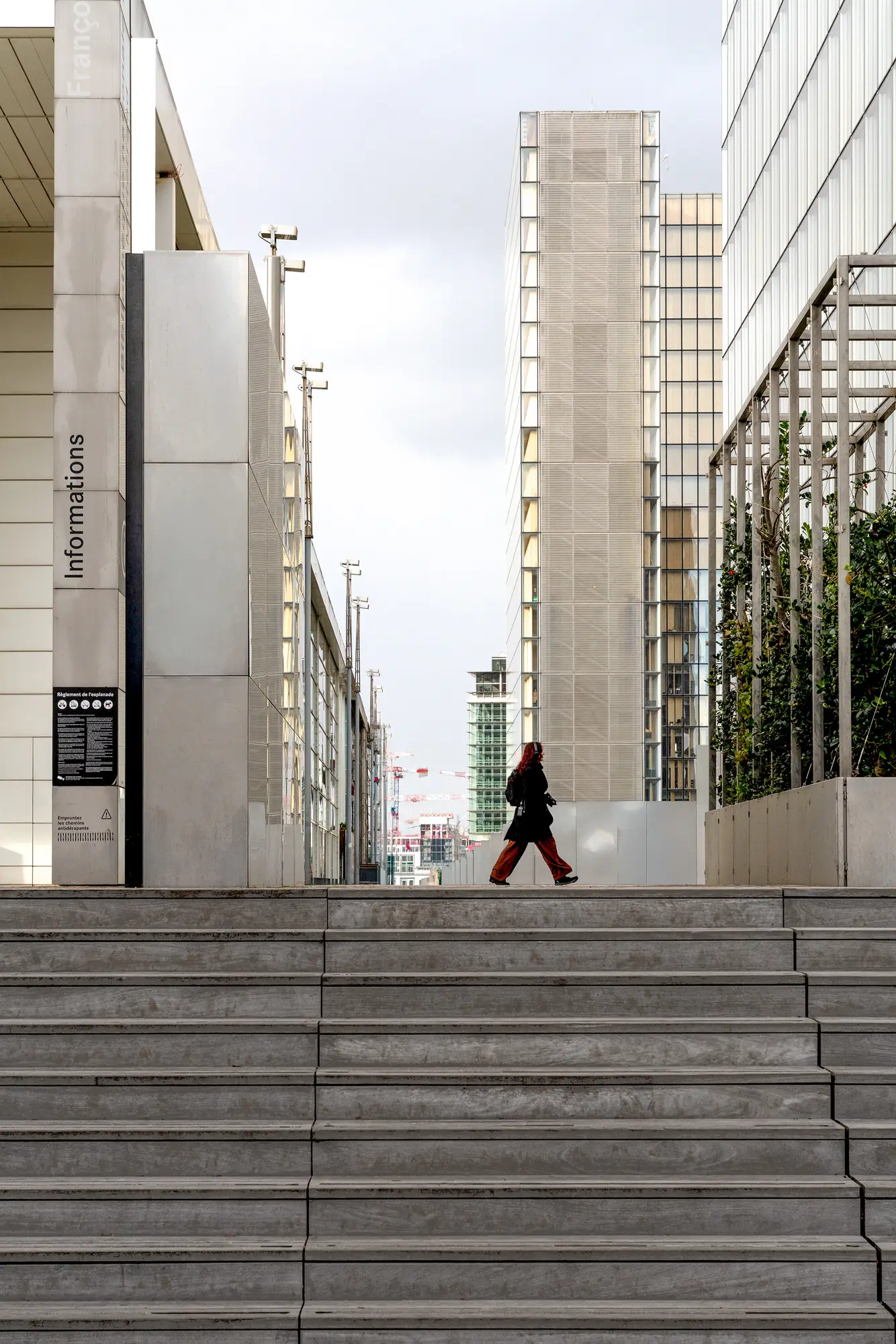
  • Line management: buildings have strict geometries. The wrong wide-angle lens can distort verticals. The solution? Tilt-shift lenses or post-processing correction.
  • Changing light: the same building can look flat at midday and spectacular at sunset. The photographer has to anticipate weather conditions and sometimes return to the site several times.
  • Uncontrollable environment: passers-by, vehicles, street lighting… You have to wait for the right moment or use image fusion techniques to “clean up” the scene.

Anecdote: To photograph an office building in the middle of Paris, a photographer had to return 5 times at different times to avoid reflections from neighboring shop windows and capture the ideal light on the glass façade. He then created a composite photo, taking the most relevant elements from each photo to achieve the desired result.

The perfect blend of technique and sensitivity

Advanced technical skills

Natural light:

  • Golden hour (1h after sunrise/before sunset): ideal for outdoors, it softens shadows and warms tones.
  • Zenithal light (mid-day): avoid for facades, but useful for interiors if filtered.
  • Cloudy days: perfect for interiors, as the light is diffused and even.

Artificial light :

  • Flashes or LEDs can be used to balance contrasts in dark rooms. This technique also produces impeccably white walls.
  • Light painting techniques to illuminate specific details (staircase, wall texture). This is a double-edged technique, so it’s a good idea to think carefully about the image you want to create before the shoot.

Choice of materials :

  • Tilt-shift lens: corrects perspective, prevents distortion, ideal for facades and interiors.
  • Wide-angle (14-24mm, 16-35mm, etc.): for general views, but beware of distortion at the edge of the frame, especially at the limits of the focal length range. The quality of lens construction also plays a role in distortion. On top-of-the-range lenses, these undesirable effects are greatly reduced.
  • Sturdy tripod: indispensable for long exposures (indoors, at night) and precise framing. Don’t hesitate to weight it down in windy conditions to avoid parasitic shaking movements.
  • Polarizing filter: reduces glare on glass and saturates colors (sky, vegetation).
  • Drone: for aerial views, subject to authorization (DGAC in France).

Expert post-production :

  • Perspective correction: software such as Lightroom, Photoshop or DxO ViewPoint.
  • Color balancing: make tones natural (avoid dominant blues or yellows). This point is often the most time-consuming, and requires expertise acquired only through experience.
  • Image cleanup: remove unwanted elements (garbage cans, cables, passers-by).
  • Enhanced detailing: accentuating textures (wood, stone, metal) without overloading.

Example: A raw photo of an interior can look dull. After retouching, shadows are opened up, colors are harmonized, and lines are perfectly straight – the result is professional and true to life.

Artistic and analytical know-how

Understanding the architectural project:

  • Talk to the architect or owner to identify the strong points to be highlighted (a structure, a play of light, an innovative material).
  • Adapt the style: a Gothic church won’t photograph like a contemporary loft.

Creating a visual narrative:

  • Photo sequence: start with an overview, then zoom in on significant details.
  • Play on symmetries and asymmetries: a symmetrical facade can be energized by off-center framing.

Managing customer expectations: some customers want “perfect” images (blue sky, no shadows), others prefer a more raw rendering. The brief is crucial.

Prerequisites for a successful session

Upstream preparation

Detailed brief: type of building, use of photos (competition, website, brochure), deadlines, budget. List of required viewpoints (main facade, entrance hall, staircase, etc.).

Scouting: visit the site to identify the best angles, constraints (trees, neighboring buildings), and ideal moments of light. Check authorizations (drone, access to private areas).

Equipment: bring spare batteries, memory cards, and a plan B in case of breakdown.

D-Day: work methodology

Arrive early to set up equipment and check final details.

Start with exteriors (light permitting), then interiors.

Multiply shots: vary angles, focal lengths and exposures to give you more choice in post-production.

Check details: no dust on the lens, no stray reflections, straight lines.

The key stages of an architectural photo shoot

Customer brief: define expectations, uses and deadlines. Request plans or sketches to visualize the project.

Scouting: visit the site, note viewpoints and hours of daylight. Use apps like Sun Surveyor to predict the sun’s path.

Preparation: charge batteries, format cards, check equipment. Use a gray background for reflective objects (to avoid unwanted reflections).

Shooting: shoot in RAW, use a tripod, vary exposures (bracketing). For interiors, light by zone and merge images in post-production.

Post-production: correct perspectives, balance colors, clean up images. Use layers in Photoshop to adjust light locally.

Delivery: supply high-resolution images, with and without retouching, according to contract. Propose a moodboard or commented selection to guide the customer.

The difference between a good photo and an average one

Perspective and geometry

Medium photo:

  • Converging lines, sloping verticals, “falling” effect.
  • Cause: wide-angle lens used incorrectly, lack of correction in post-production.

Photo pro:

  • Perfectly straight lines, respect for proportions.
  • Technique: tilt-shift lens or software correction (Lightroom, PTGui).

Light and contrast

Medium photo:

  • Hard shadows, overexposed or too dark areas, burnt sky.
  • Cause: shooting at midday, no filters or bracketing.

Photo pro:

  • Uniform light, visible detail in shadows and highlights.
  • Technique: bracketing (several exposures merged in HDR), use of reflectors or fill flashes.

Example: An entrance hall photographed carelessly will have overexposed windows and a floor that’s too dark. In pro photography, several exposures are merged to make everything visible.

Composition and framing

Medium photo:

  • Centered framing, interfering elements (cars, garbage cans), lack of depth.
  • Cause: lack of preparation, no scouting.

Photo pro:

  • Dynamic composition (rule of thirds, guiding lines), clean background, controlled depth of field.
  • Technique: use visual cues (a ground line, a window) to guide the eye.

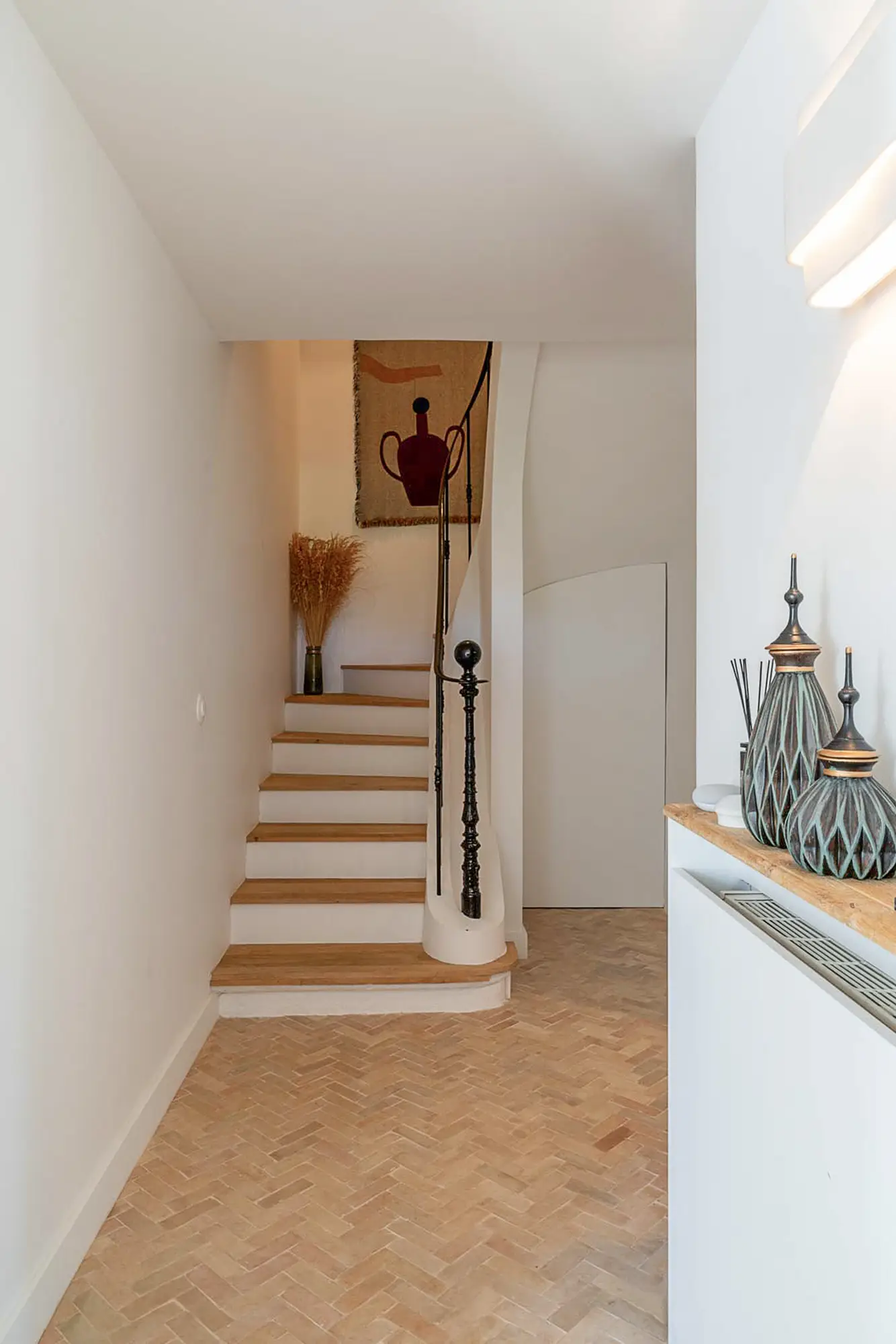
Tip: For a staircase, place the fixture at the bottom to accentuate the perspective and give an impression of grandeur.

Details and textures

Medium photo:

  • Flat materials, lack of relief, dull colors.
  • Cause: light too harsh, lack of retouching.

Photo pro:

  • Visible textures (wood grain, concrete roughness), faithful, saturated colors.
  • Technique: grazing light for exteriors, side lighting for interiors.

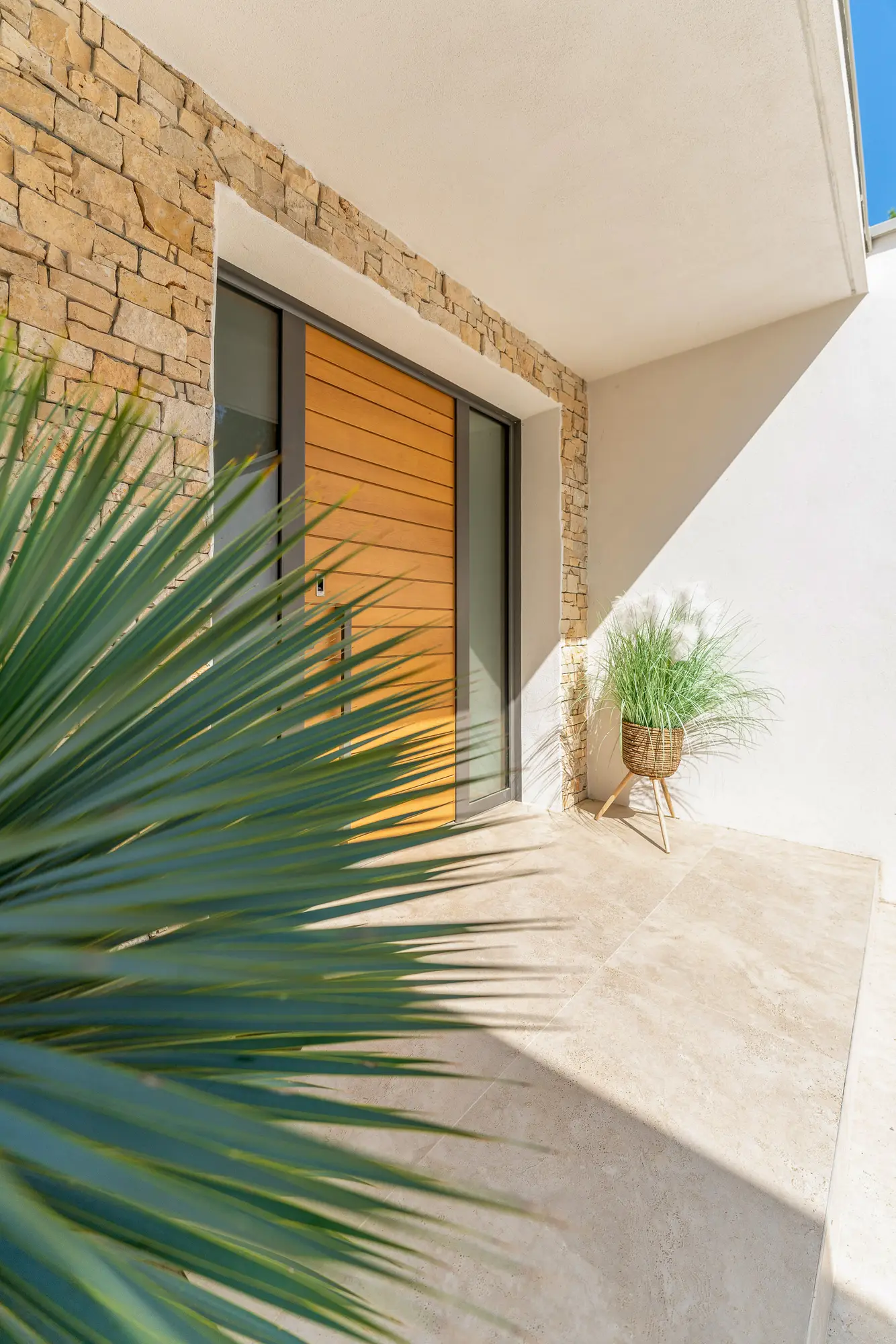
Example: A stone façade will appear smooth and characterless in zenithal light, but sculptural in lateral light.

Emotion and narrative

Medium photo:

  • A descriptive, soulless image that doesn’t appeal.
  • Cause: no search for original angles, no staging.

Photo pro:

  • An image that tells a story, that arouses desire (e.g. a ray of sunlight through a glass roof, a play of shadows on a façade).
  • Technique: look for the detail that makes the difference (a handrail, a set of mirrors, a view from a window).

Anecdote: For a luxury hotel, the photographer waited for the setting sun to shine through a bay window to illuminate the solid wood bar – the photo became the flagship image of the advertising campaign.

Invest in an architectural photographer

For architects: images that showcase their work and help them win competitions and tenders.

For developers: visuals that accelerate sales by giving the project a high-end image.

For private customers: aesthetic, faithful memories of their home or renovation.

Key figures:

  • A property with professional photos sells 32% faster (source: Redfin).
  • 90% of buyers start their search online: image quality is decisive.

Conclusion: architectural photography, a craft of patience and passion

Architectural photography combines technical rigor with artistic sensitivity. It means knowing how to wait for the right light, choose the right angle, and convey the emotion of a place. A good architectural photo doesn’t just show a building: it reveals its soul.

Do you have a project to immortalize? Let’s talk about it, and together we’ll find the lighting, framing and rendering that will turn your images into works of art in their own right.