David DUMAS3 Septembre 2025Trustindex vérifie que la source originale de l'avis est Google. Josselin est professionnel avec des photos de très belle qualités. N’hésitez pas ! Yan VONDRA29 Août 2025Trustindex vérifie que la source originale de l'avis est Google. Merci beaucoup Josselin pour ces magnifique photos de Chez Betty ! labulle dejohan28 Août 2025Trustindex vérifie que la source originale de l'avis est Google. Très agréable et professionnel Je recommande sans hésiter Jessy BONOT28 Août 2025Trustindex vérifie que la source originale de l'avis est Google. Photographe, envoyé par une plate-forme de location. Personne très sympathique et sérieuse. Les photos sont très jolies et mette bien en valeur l’appartement Magali rieu3 Août 2025Trustindex vérifie que la source originale de l'avis est Google. Josselin est venu faire les photos de notre domaine, elles sont très réussies, le rendu est conforme. Il est très professionnel et très réactif. Bernard Rozinthe30 Juillet 2025Trustindex vérifie que la source originale de l'avis est Google. Beaux cadrages et couleurs îtenses!
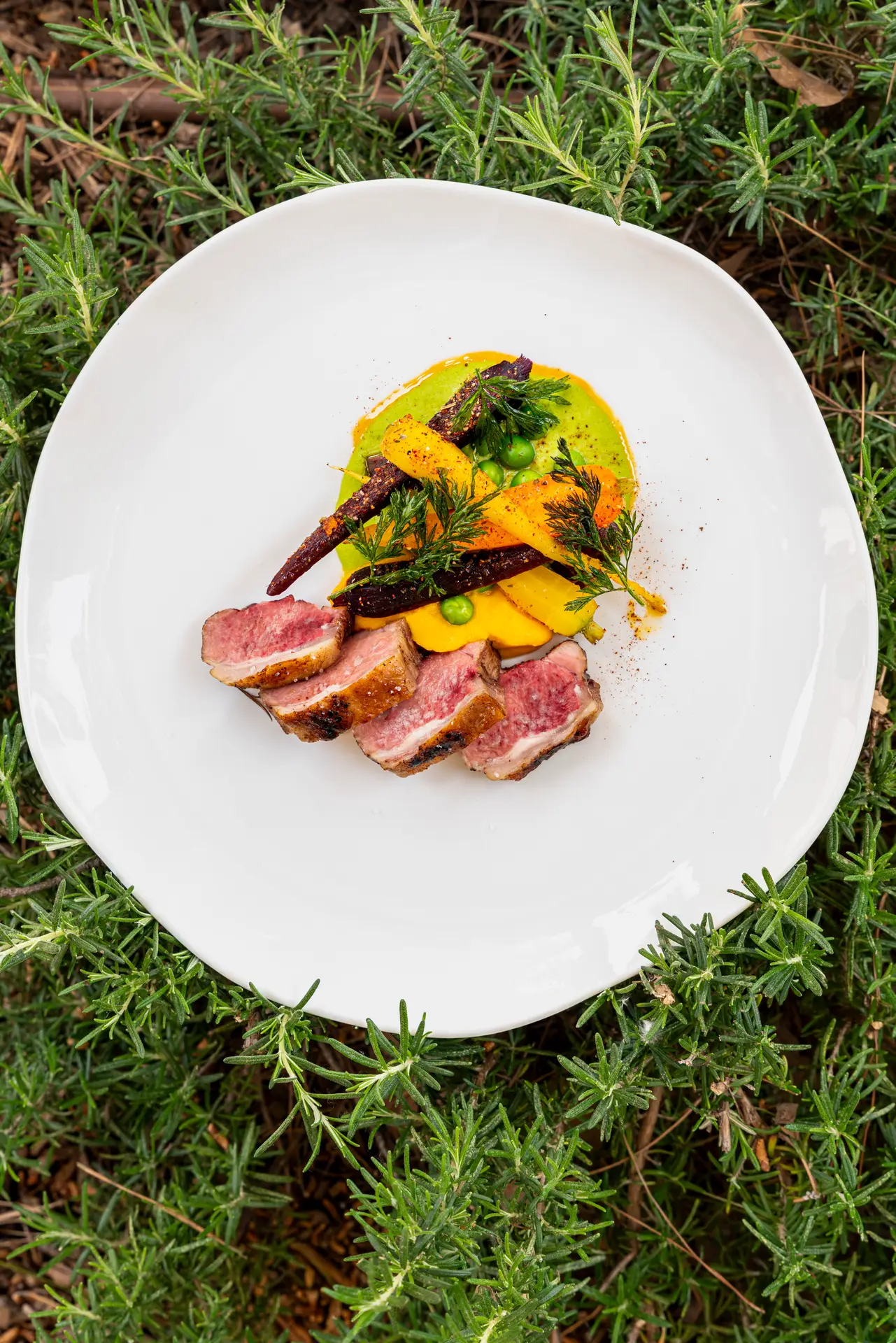
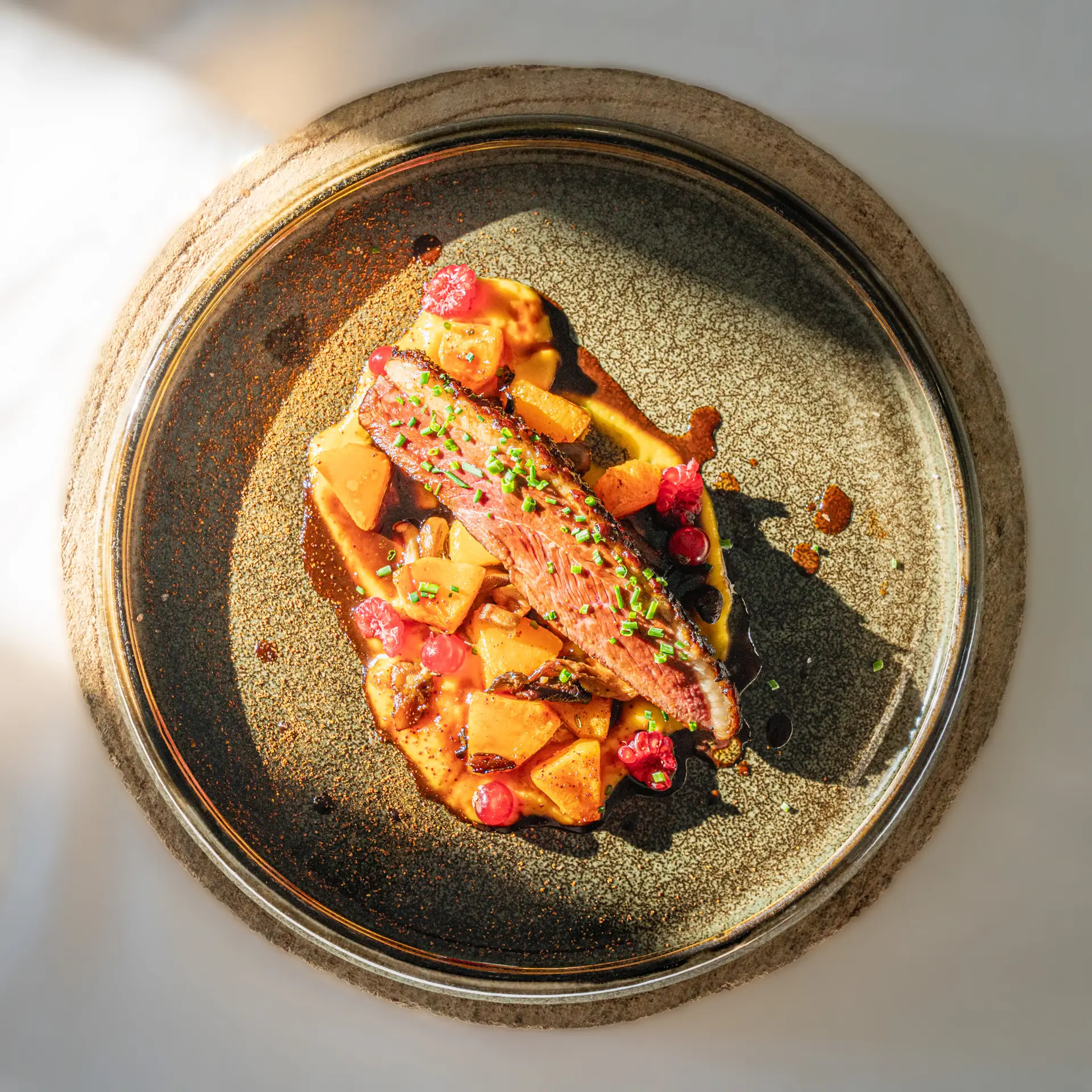
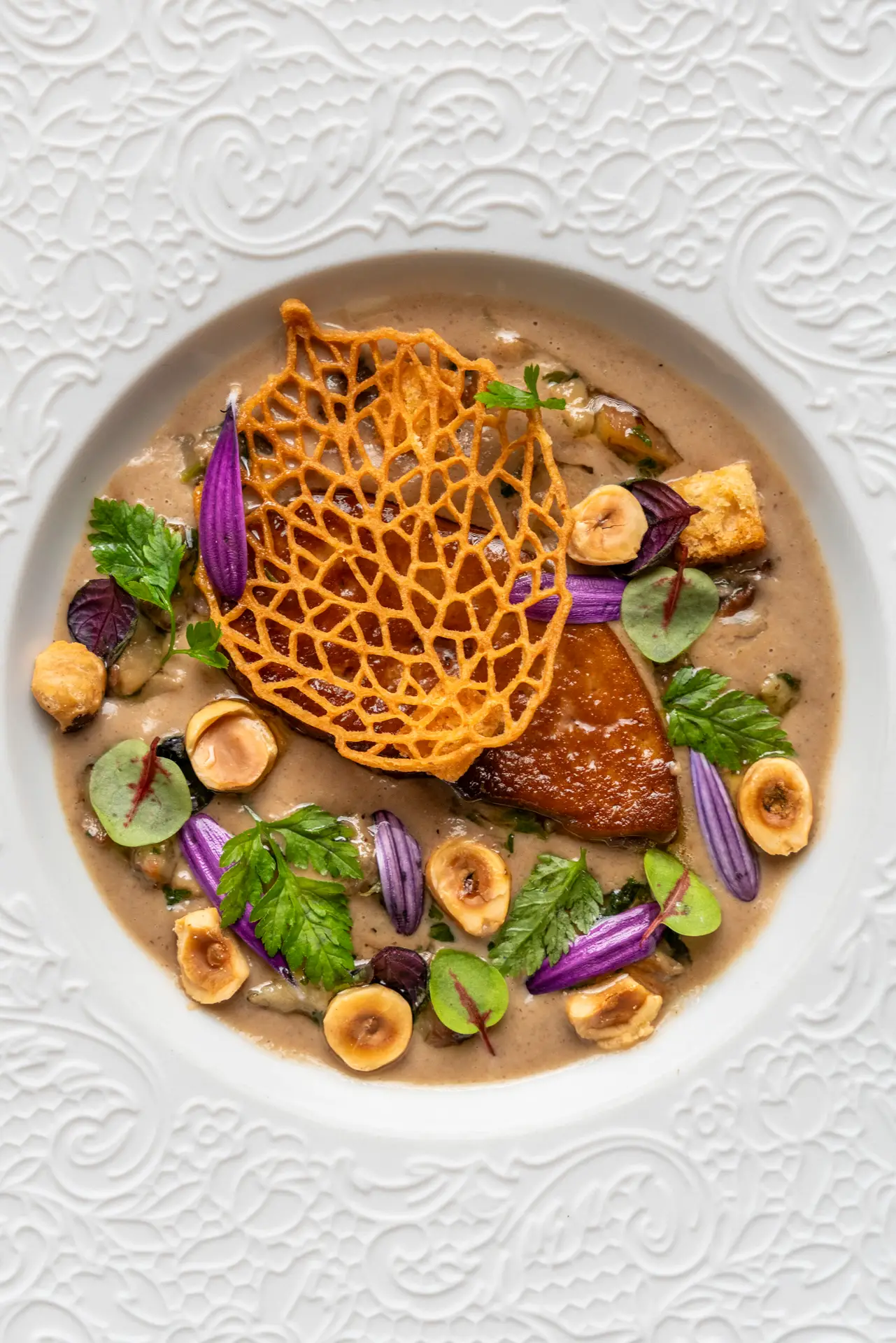
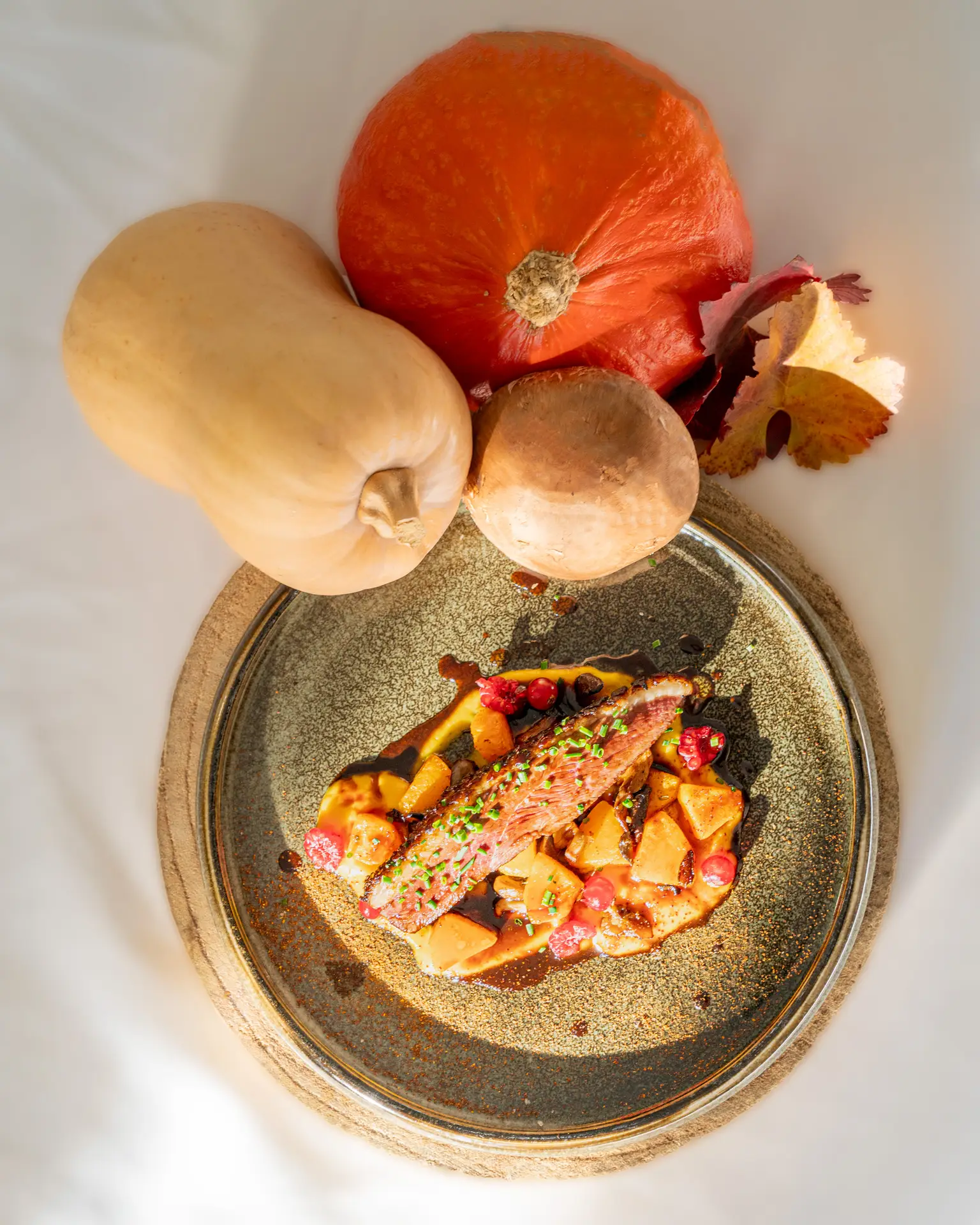
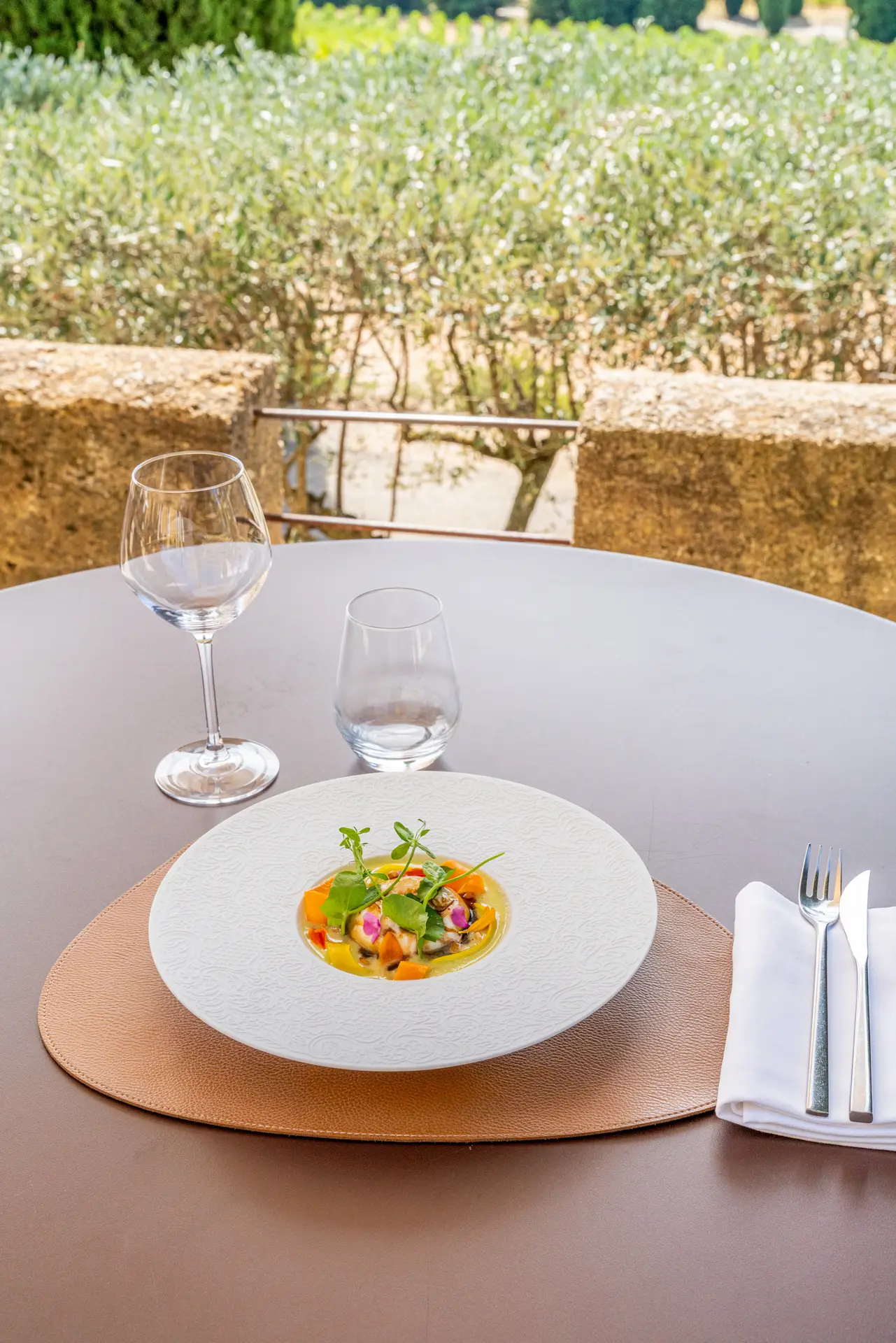
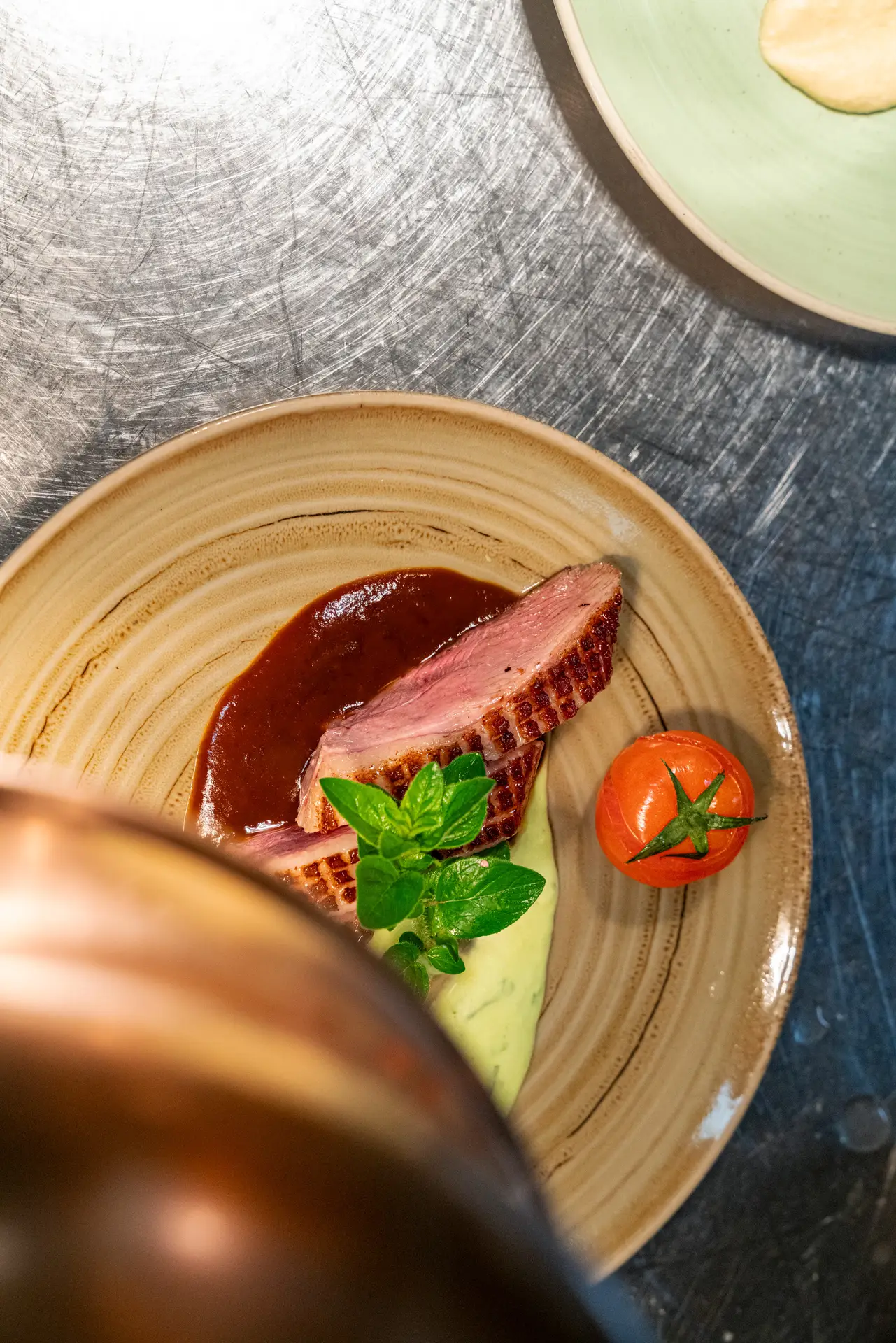
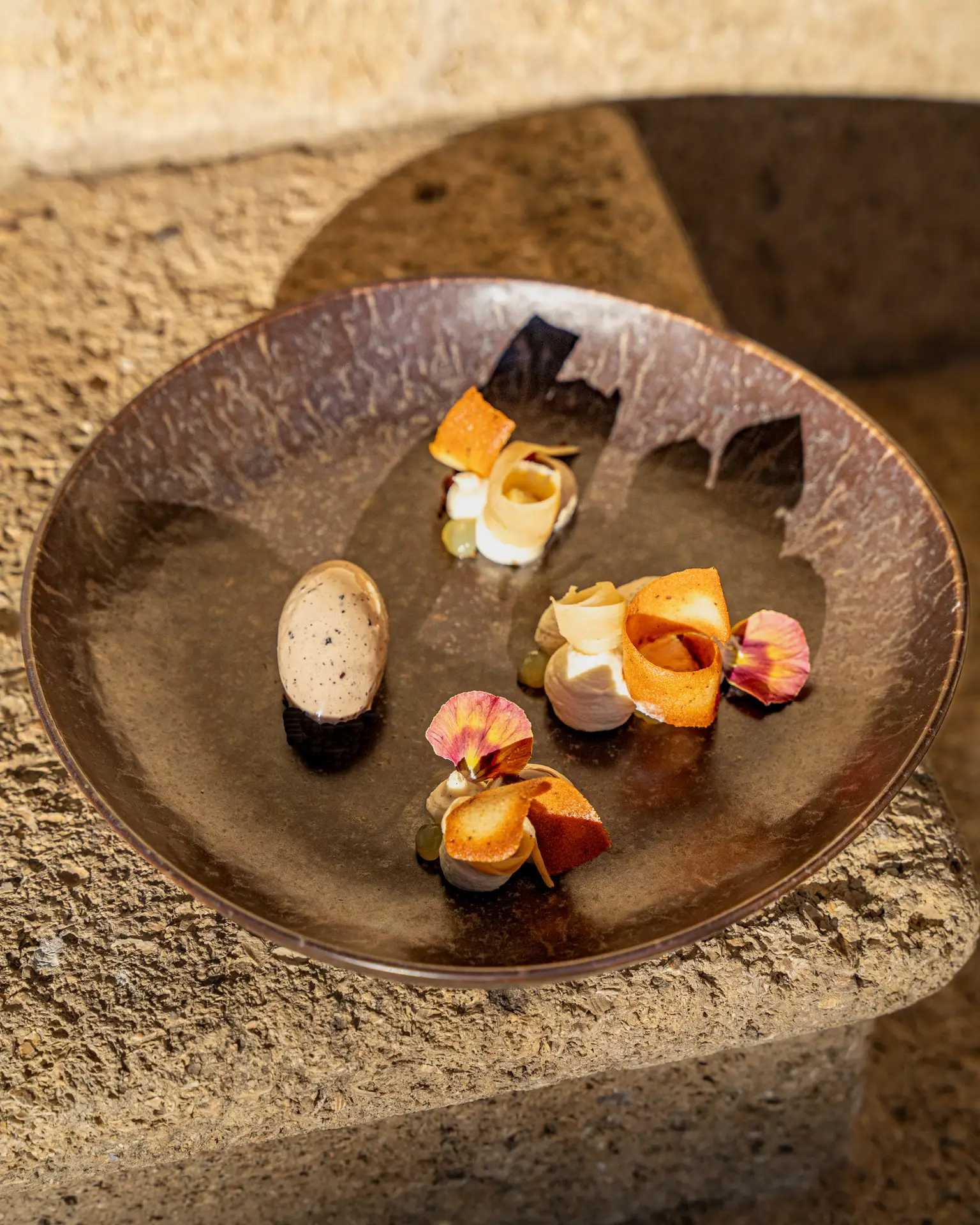
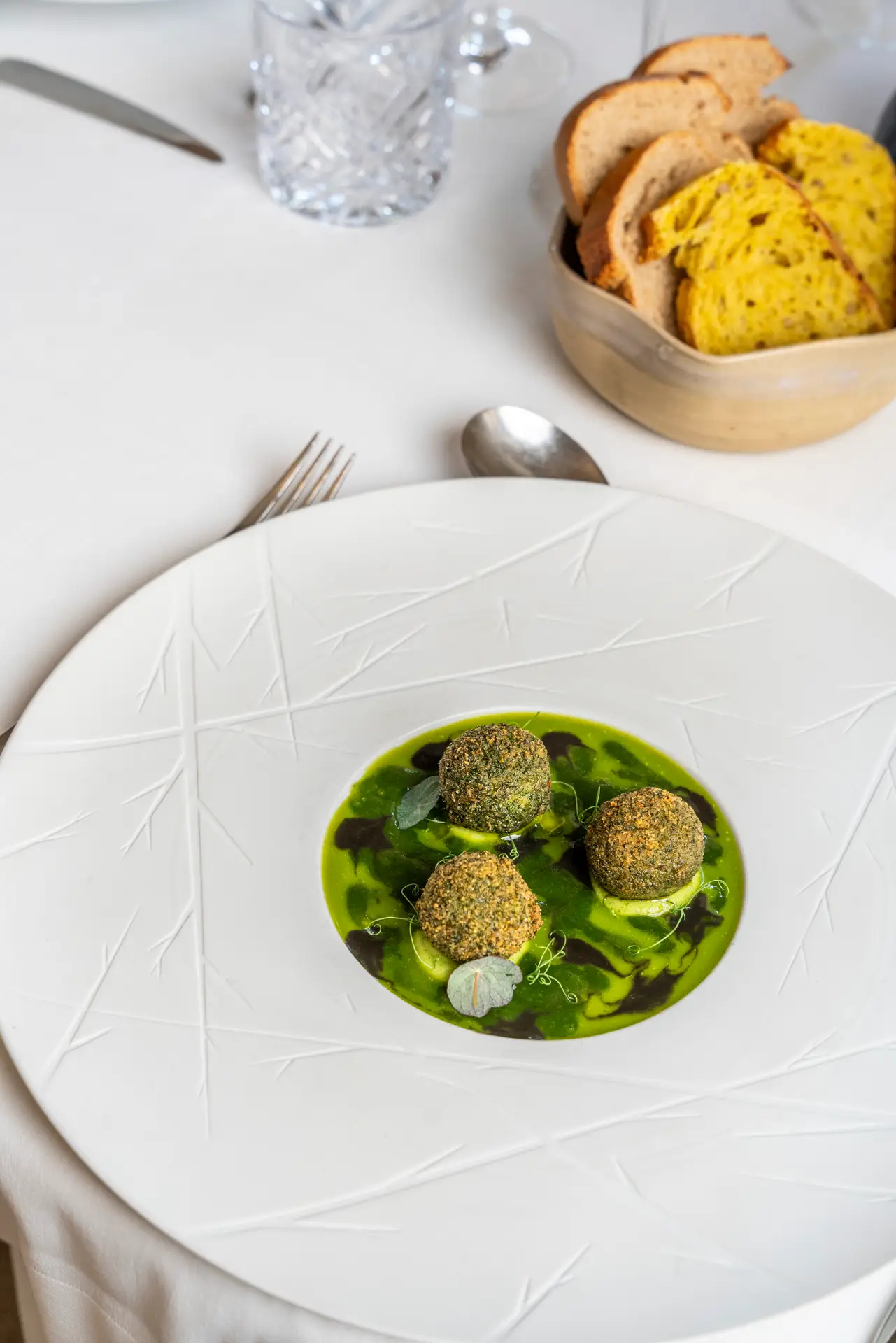
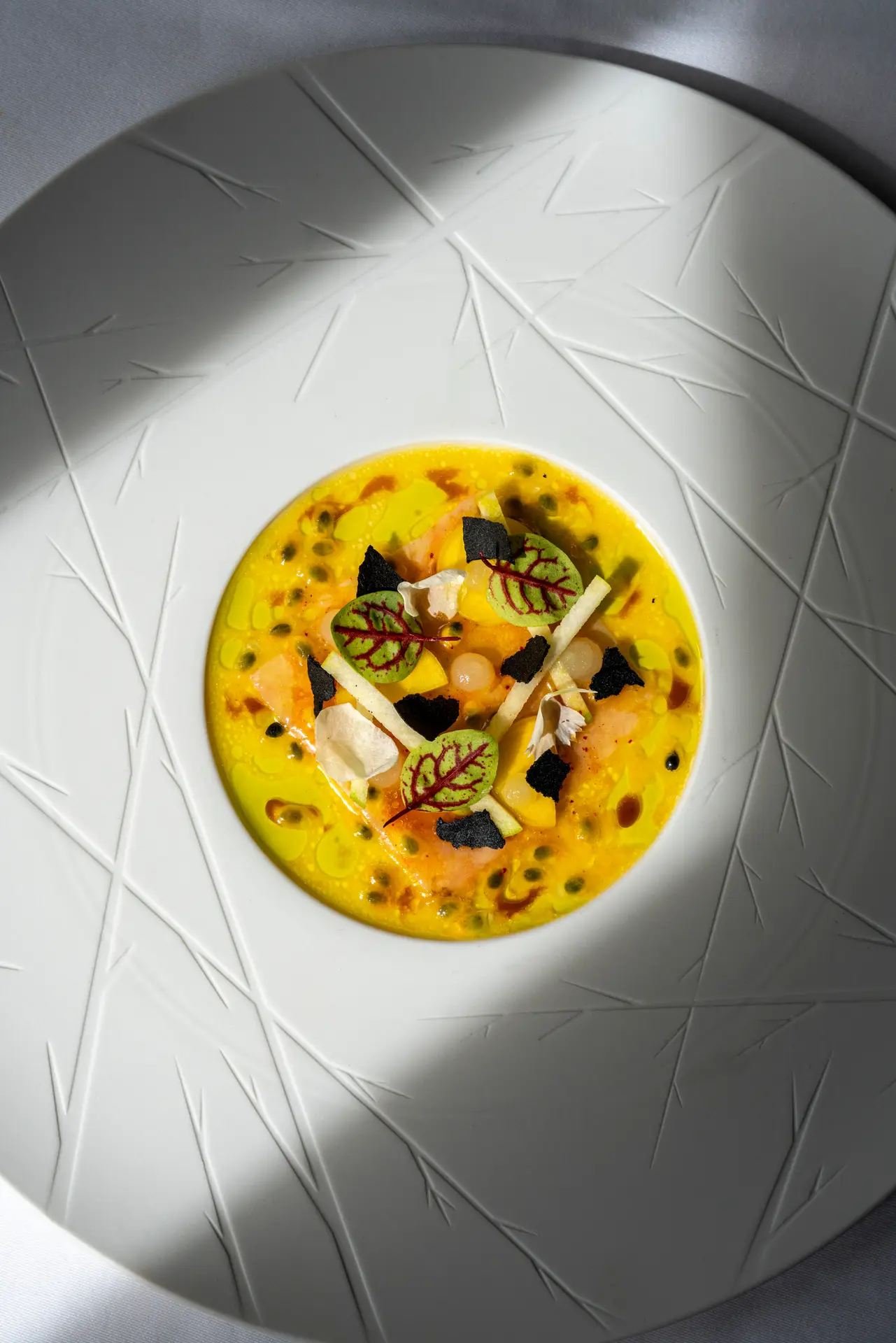
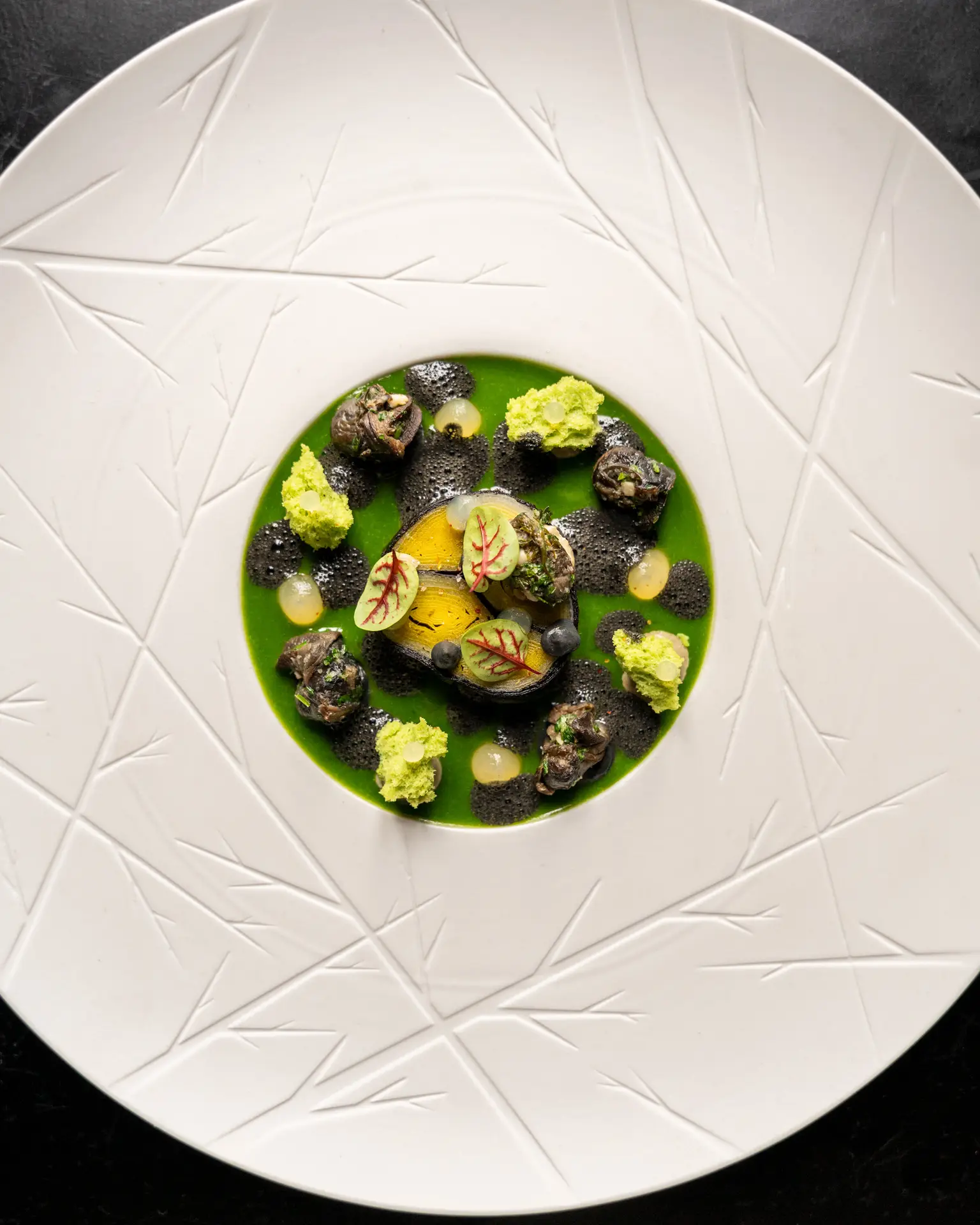
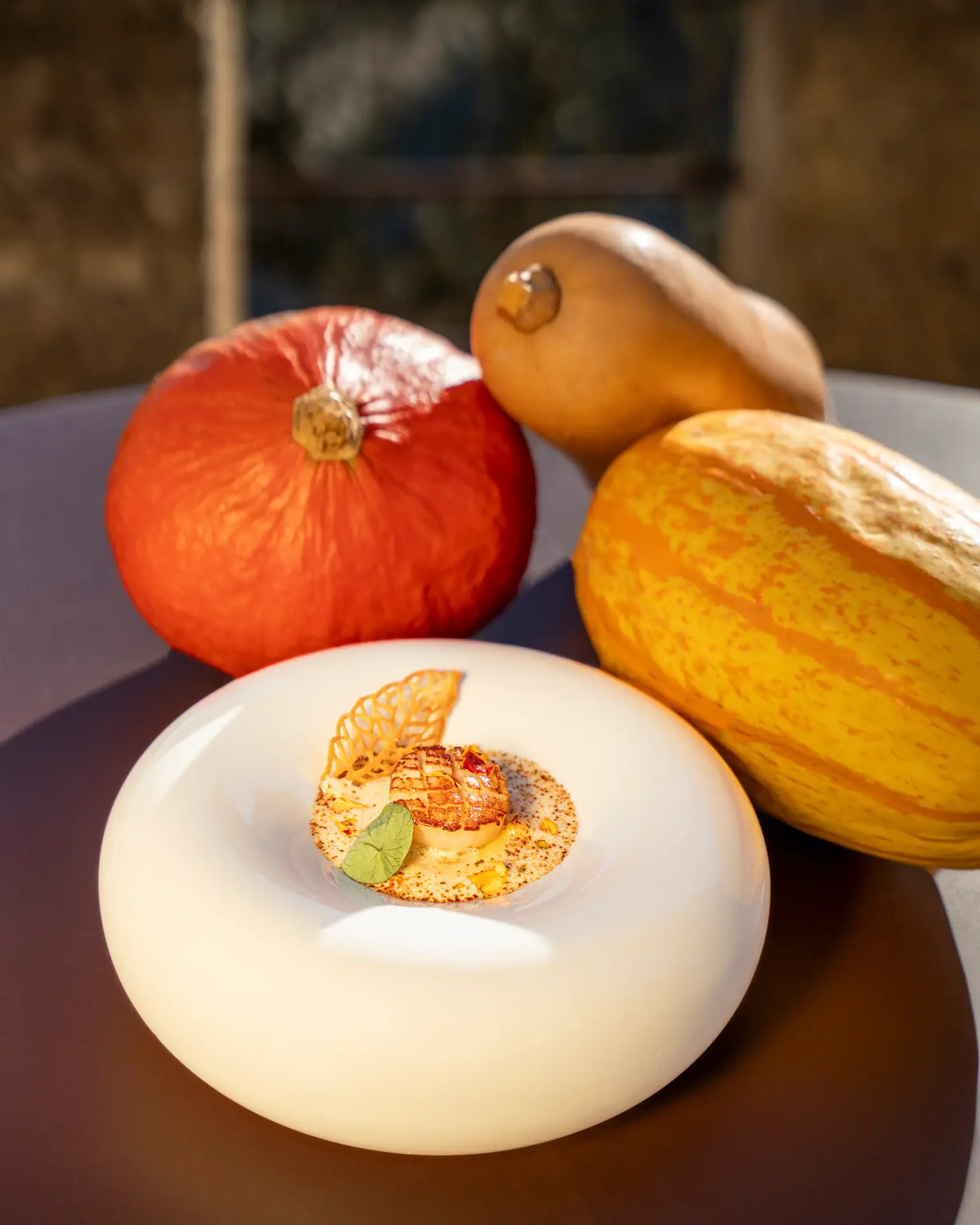
The art of food photography is not just about “capturing” a dish, but about evoking its flavors, textures and history through a simple image.
Whether for social networking sites, restaurant menus or food brand advertising, a well-executed photo can transform a dish into an appetizing visual experience. But why is this art so crucial, and how do you succeed in sublimating a plate to the point of making it a work of art?
Find out all you need to know about food photography: its importance, fundamental techniques, the secrets of successful staging, and why hiring a professional photographer can become an indispensable asset for any brand or restaurant.
In the age of social networking and image overconsumption, the visual has become an essential vector for capturing attention. The human eye reacts instinctively to colors and shapes. In food photography, this effect is used to arouse almost instantaneous desire.
In a society where consumers spend more and more time online, an appetizing, well-designed image is capable of scrolling through hundreds of dishes and stopping on just one: yours. Studies show that quality visual content increases interaction and engagement, especially when it evokes emotions such as envy or comfort.
For restaurants and food brands, culinary photography is also a powerful branding tool. It allows them to communicate a unique visual identity, from the decoration of the plate to the ambience of the image. Well-thought-out food photography conveys the brand’s values: a gourmet restaurant will opt for a refined, uncluttered aesthetic, while an organic food brand may prefer natural tones and organic textures.
Every dish, every ingredient, every texture can tell a story. Whether it’s the story of a chef, an ancestral recipe, or a specific ingredient, a good culinary photo should convey this narrative depth to the viewer. The image then becomes a moment of shared emotion, offering much more than a simple overview of a dish.
Professional food photographers master a series of specific techniques, both technical and artistic, to achieve images that are both mouth-watering and aesthetically perfect. Here are the essential elements of this know-how.
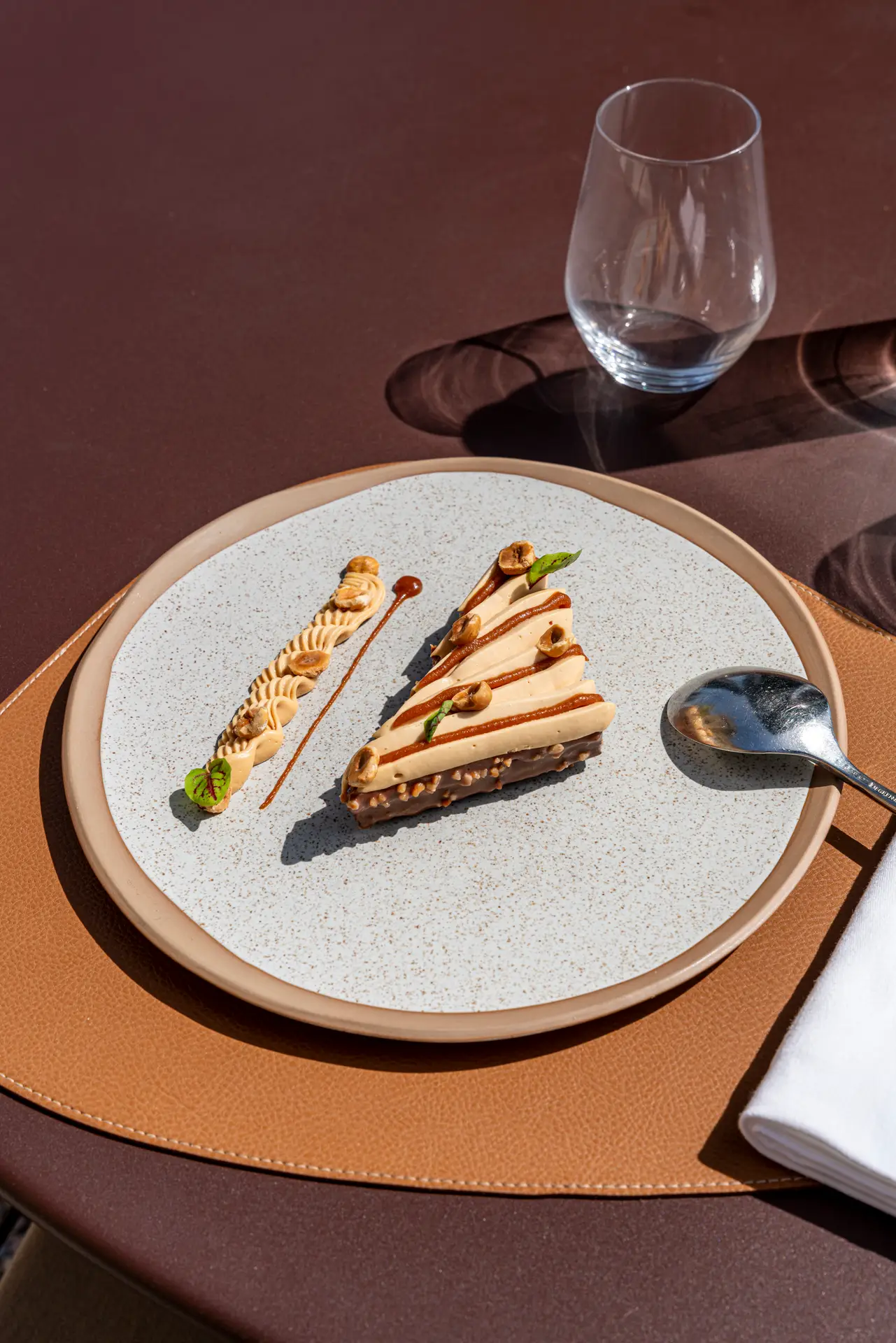
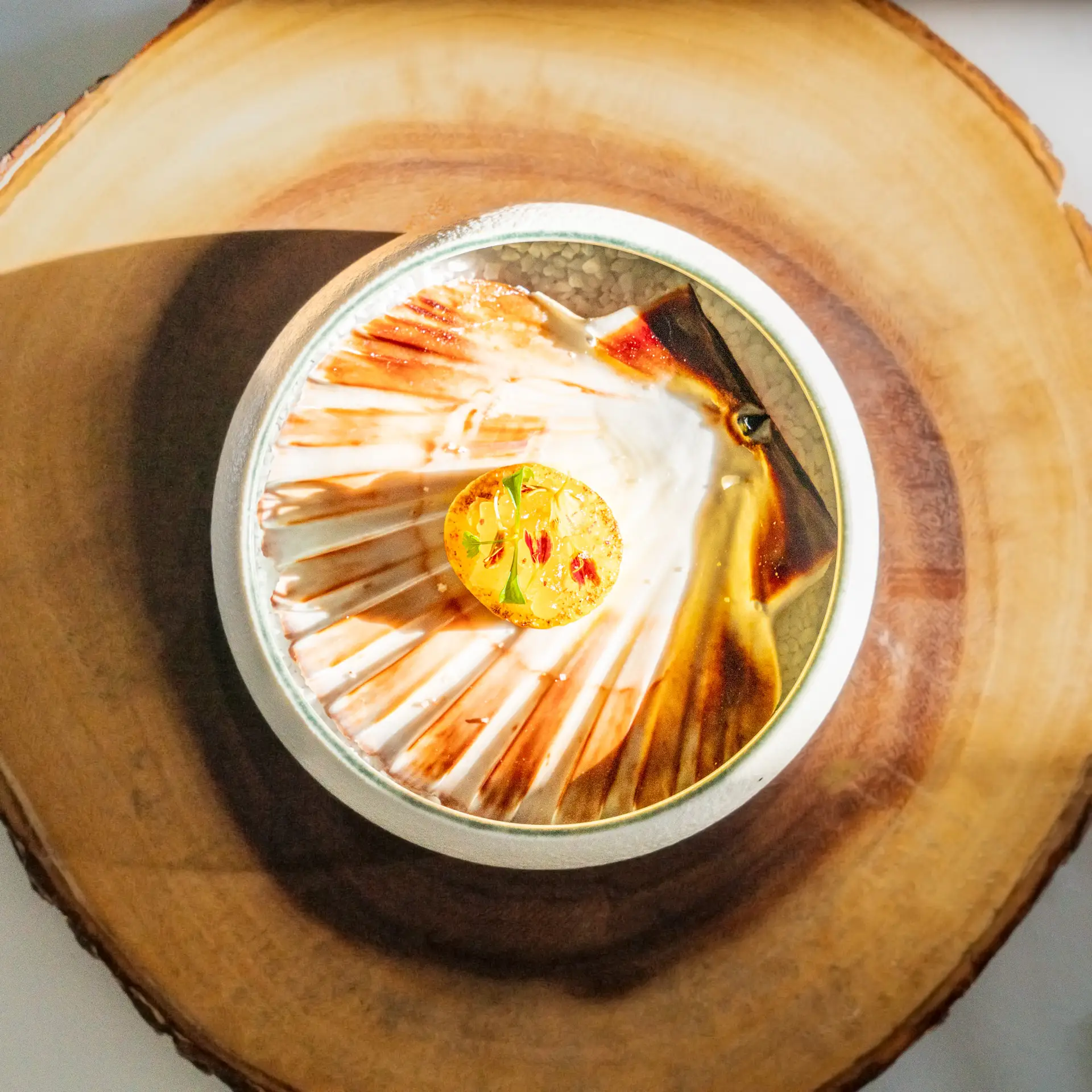
Light is the key element in bringing a dish to life. It reveals textures, enhances colors and directs the eye to the key elements of the dish.
A good food photographer also knows how to use reflectors or diffusers to manipulate the light, softening or accentuating certain areas according to the desired effect.
Composition is the art of structuring an image to captivate the viewer while highlighting the main subject. In food photography, there are several rules of composition that help create balanced, dynamic images.
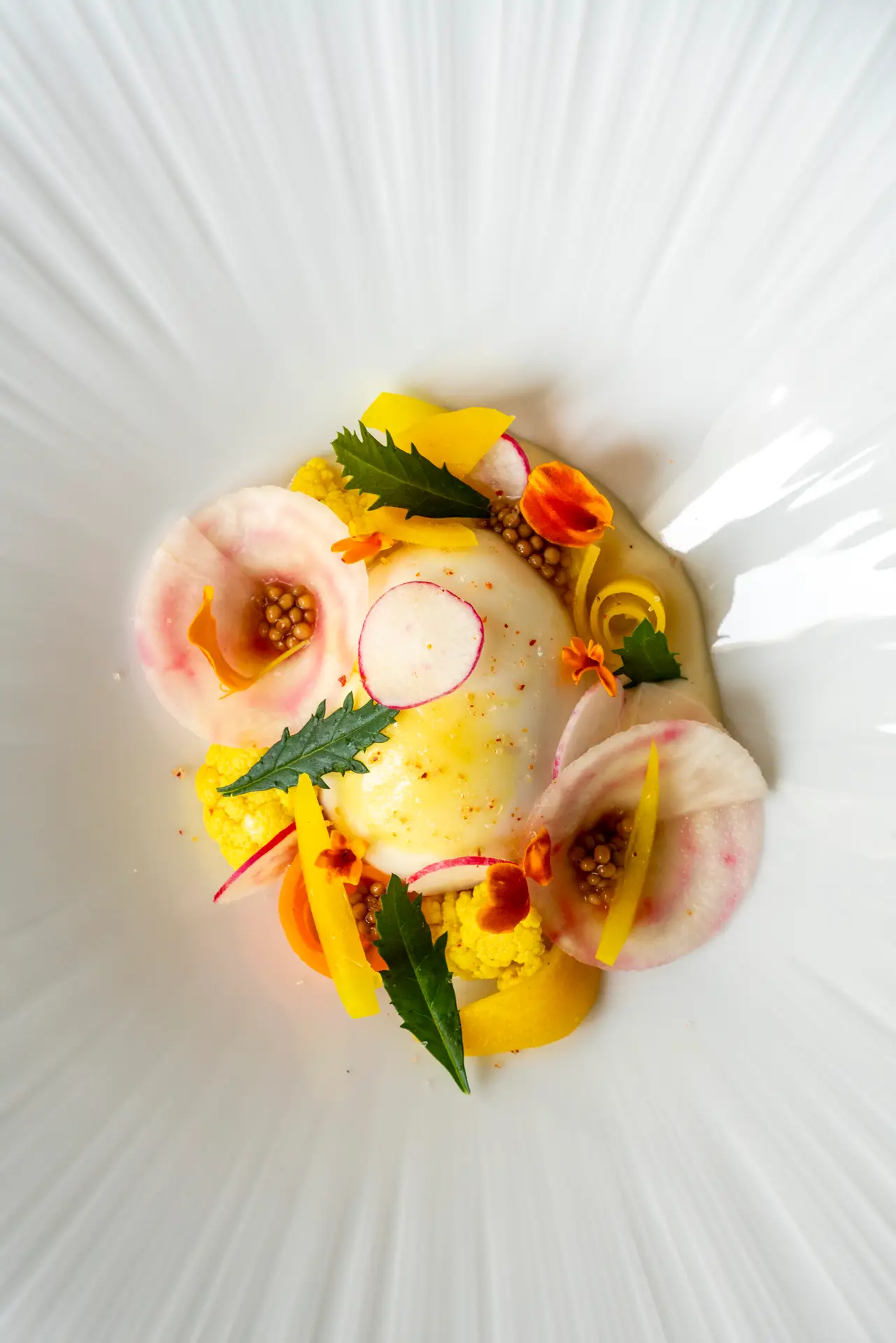
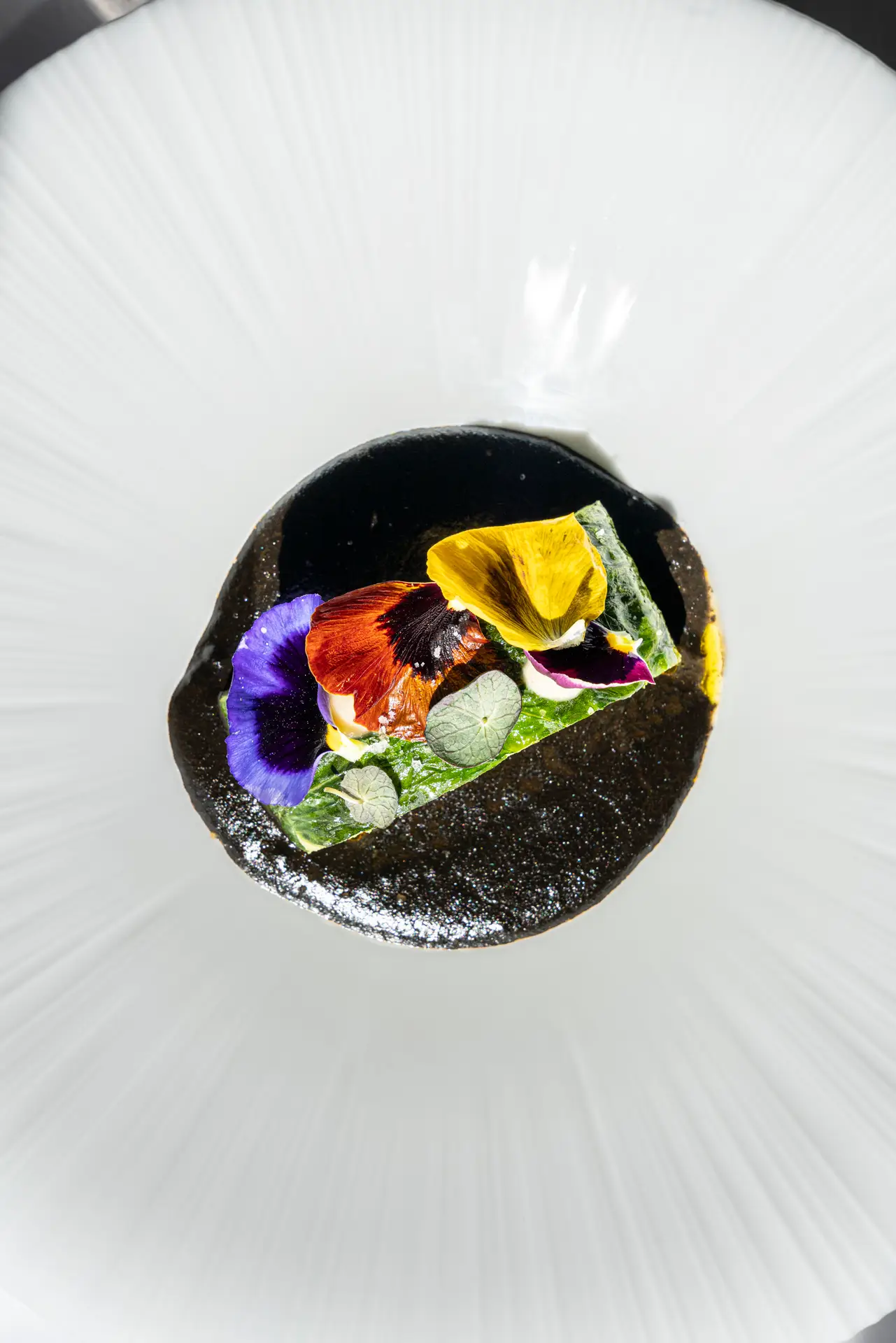
Colors in food photography are never chosen at random: they play a vital role in evoking appetite. Warm hues such as red or yellow are often associated with positive emotions, while more neutral, natural colors give an authentic, healthy appearance.
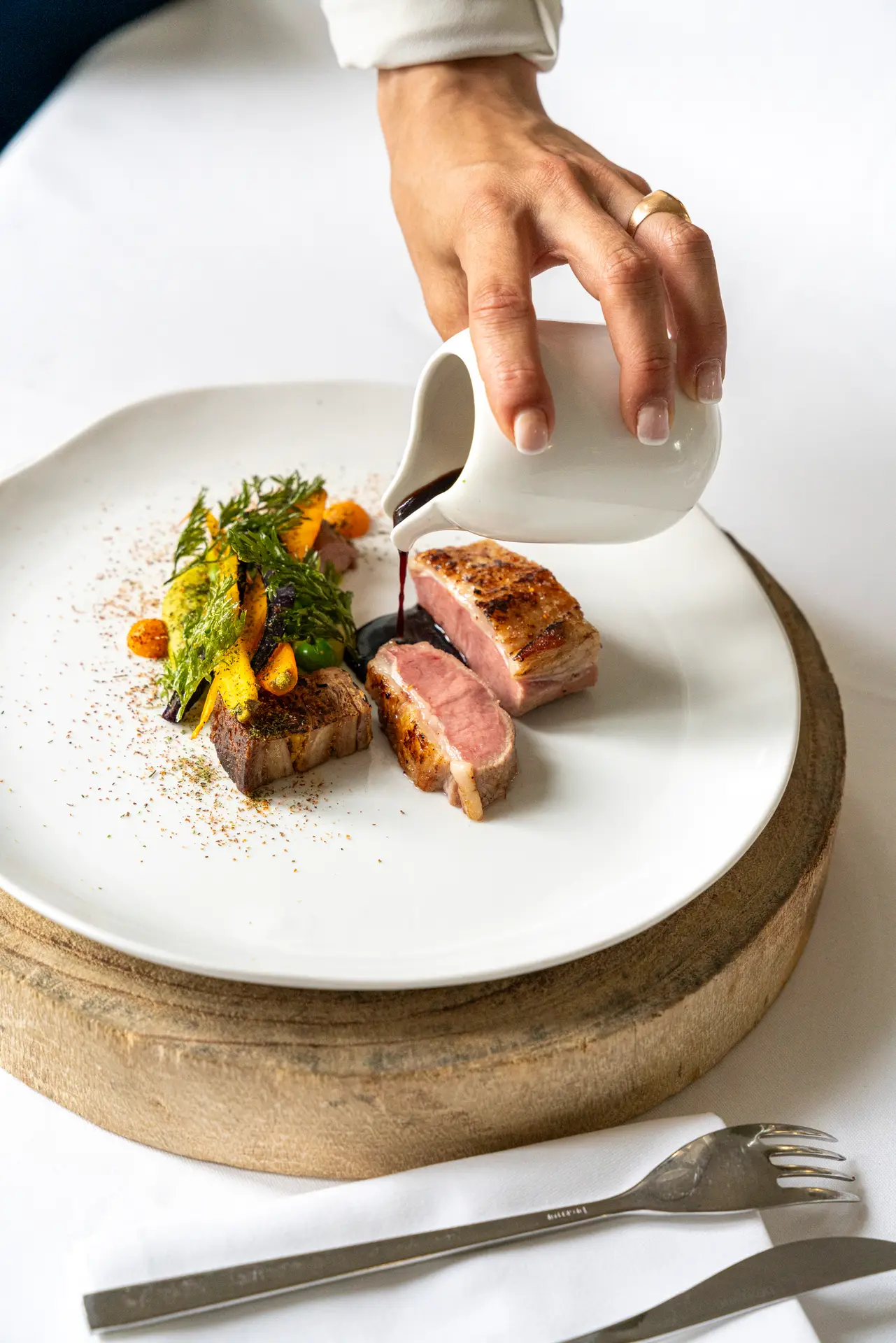
Staging is a fundamental aspect of food photography. It creates atmosphere, adds depth and gives the image a real identity.
Accessories, such as plates, cutlery and tablecloths, are not mere additions: they are an integral part of the image. They must be carefully selected so as not to distract the eye from the main course.
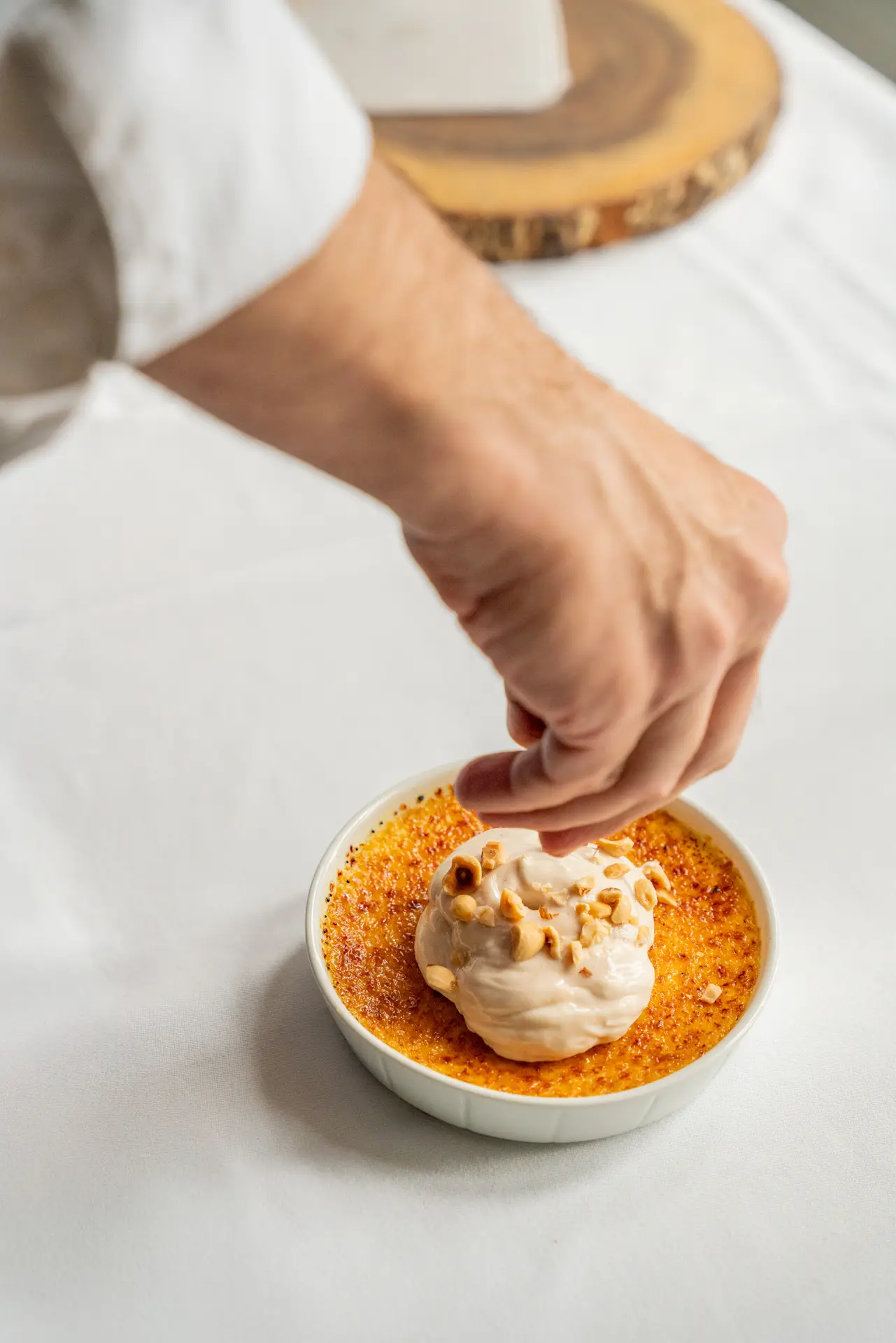
Food photographers often use tricks to enhance the textures of a dish. For example, spraying a little water on vegetables or adding oil to make a dish shiny and appetizing are common techniques.
Once the photo has been taken, retouching is a key step in enhancing the final result. The aim is not to transform the dish, but to optimize it to make it even more attractive.
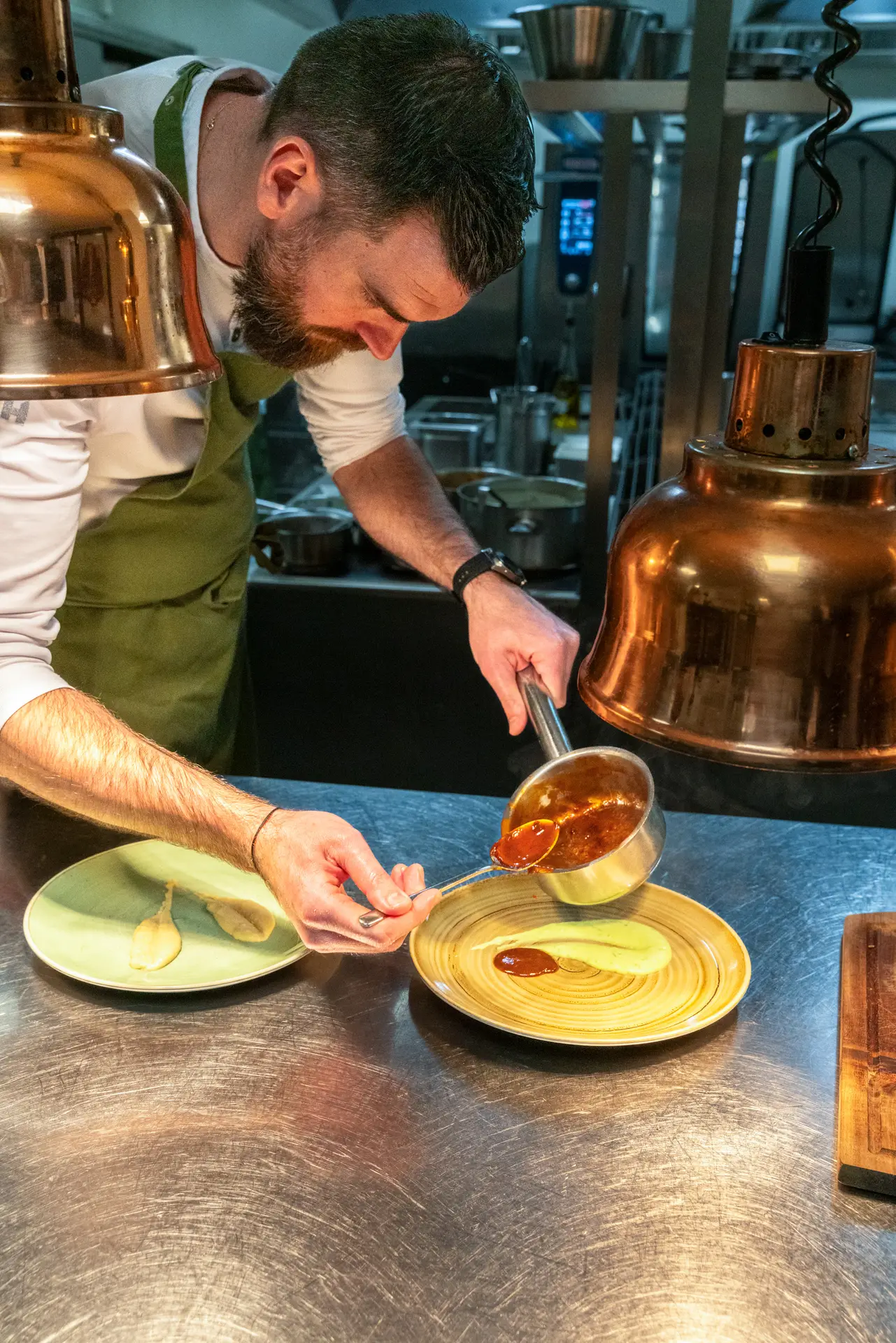
A professional food photographer brings a unique know-how to bear on the achievement of exceptional results. This specialist knows how to capture the essence of a dish, mastering every technical aspect and sublimating every detail.
Calling on a culinary photographer means making a lasting investment in your brand image. By choosing an experienced photographer, you benefit from expertise that transforms a simple image into a powerful visual invitation.
Culinary photography is much more than a technical exercise: it’s a visual celebration of gastronomy and an instant seduction for the eyes. In a world where images have undeniable power, this art form is essential for chefs, restaurants and food brands.
Through the lens, food becomes a universal language, capable of arousing emotion and capturing the eye in an instant. Good food photography inspires, challenges and, above all, invites you to taste.